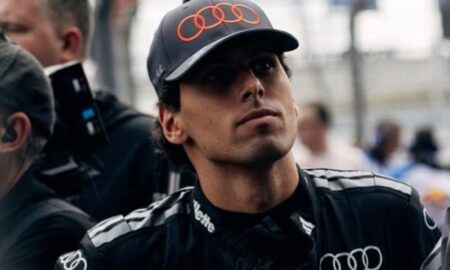
Bortoleto points out unstable cars and predicts an increase in driver errors with the new Formula 1 regulations


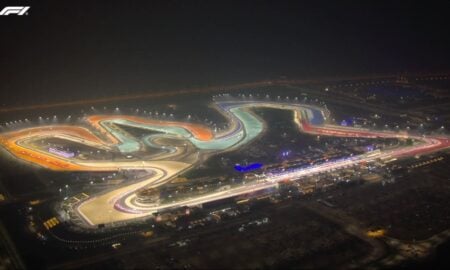
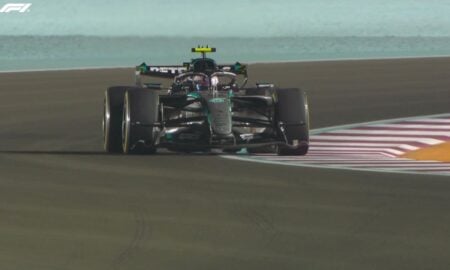
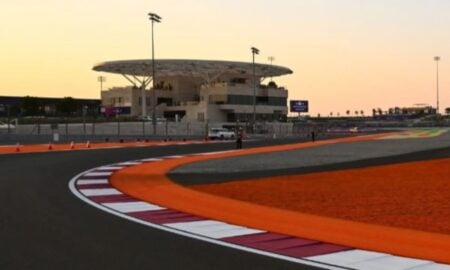
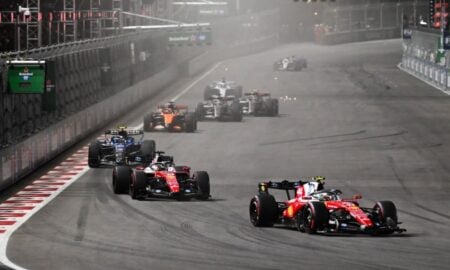
The profound technical changes implemented for the current season have radically transformed the driving dynamics in the main category of world motorsport. Gabriel Bortoleto, main driver of the Audi team, reported that driving the new single-seaters became a complex task due to the drastic reduction in aerodynamic drag and the new configuration of the power units. Testes pre-season tests carried out on the Sakhir circuit, at Bahrein, indicated that the vehicles behave much more skittishly, requiring constant corrections on the steering wheel and a refined sensitivity on the part of the competitors.
The challenge of instability and the increase in incidents
The sensation described by the Brazilian suggests that the grid debuts, in practice, in an unprecedented modality, such is the disparity in the behavior of the vehicles in relation to the models used in previous years. Adapting to this new scenario was the central focus of work in the workshops, where engineers and pilots constantly seek the ideal balance between the raw power of the new engines and the lowest aerodynamic grip available in high-speed curves.
The predicted scenario for the initial stages of the world championship involves a significant increase in human errors and track departures. The unstable nature of the chassis, coupled with the immediate torque of the electric motors, creates a very narrow operating window where any slip could result in loss of control. Bortoleto highlighted that none of the teams will reach the first Grandes Prêmios with total control over the equipment.
It was necessary to intensify the physical and mental preparation of the athletes to deal with the additional stress generated by the unpredictability of the cars. Controlling the rear, which now tends to slide more easily, demands quick reflexes and an accurate reading of the asphalt conditions, reminiscent in certain aspects of the dynamics seen in the Fórmula 2, but with much higher final speeds on the straights.
Impact of guidelines on mechanical components
Current regulations imposed a total redesign of the vehicles, changing not only the aerodynamics, but also the dimensions and operation of the powertrains. The dependence on the electrical part grew exponentially, forcing teams to rethink the weight distribution and cooling of internal components. Essas changes aim to create more competitive races, but bring technical challenges that are still being addressed during on-track tests.
- Hybrid engines from 2026 have a much greater dependence on electrical energy compared to predecessor models.
- The width of the cars and the total weight were reduced to facilitate competition for position and overtaking.
- Battery charge management has become the most critical factor in achieving competitive lap times.
Energy management began to dictate the pace of races in an unprecedented way in the history of the category. If before electrical consumption was linear and predictable, allowing the driver to accelerate to the maximum without major immediate strategic concerns, now the decision of when to use the extra power defines the result on the track. Driving directly influences cargo availability for the following laps, creating a high-speed chess game.
Accelerated development in the Audi structure
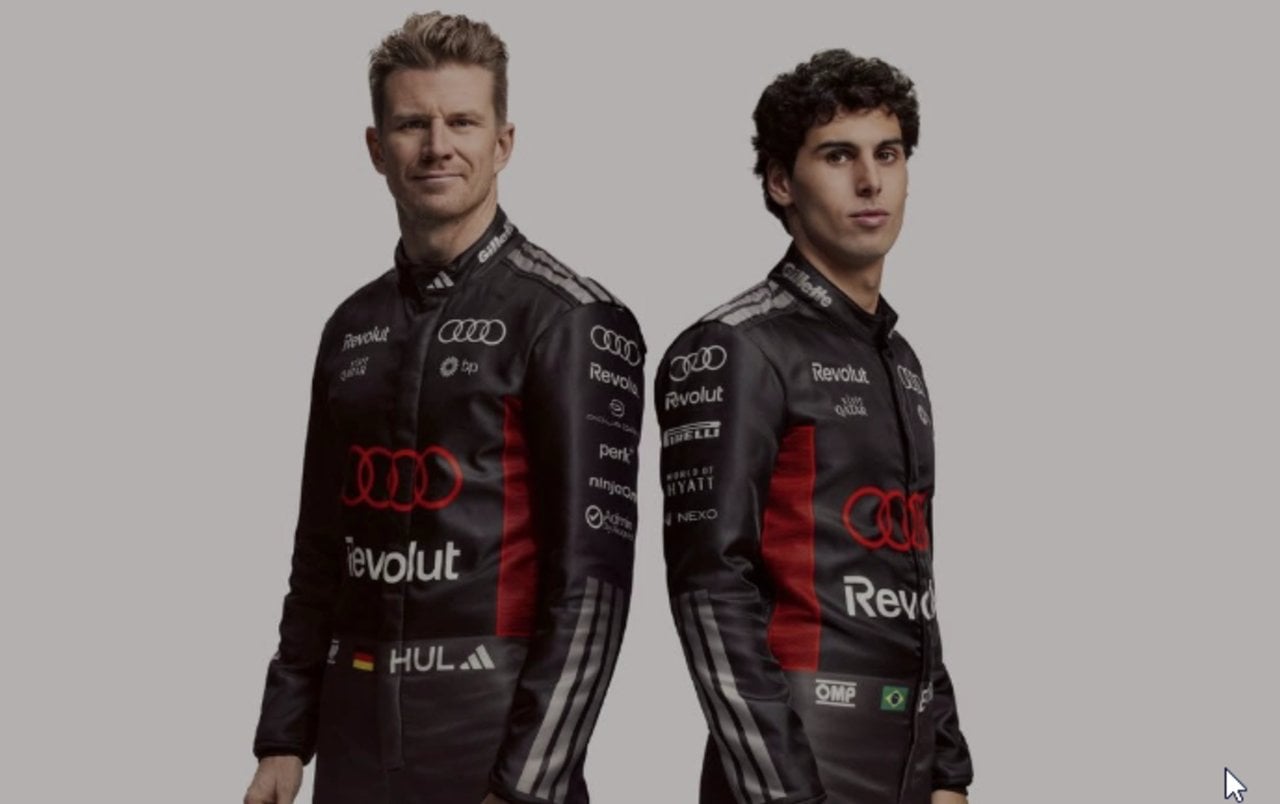
The transition from the former Sauber operation to becoming the official factory team of Audi brought a new level of responsibility and complexity to the work of Gabriel Bortoleto. Diferente from past seasons, the team now acts as a complete assembler, developing both the chassis and the power unit autonomously. Isso requires that the feedback given to the engineers by the driver is extremely precise, as each piece of data directly influences the development cycle of the engine in Neuburg and the car in Hinwil.
The process of creating your own competitive engine is an arduous task that requires patience and thousands of kilometers of simulated and real tests. Bortoleto believes that his previous experience in grassroots categories, where he contributed to the technical evolution of his teams, will be an important differentiator in accelerating the German brand’s learning in its return to the top of motorsport. The main focus at the moment is to ensure fluid integration between the mechanical and electronic systems before the official debut.
Power strategy and defensive riding
The new reality of engines forces drivers to choose surgical moments to attack or spare equipment, adding a layer of difficulty for strategists on the pit wall. Engenheiros need to program specific engine maps for each sector of each circuit, trying to predict the behavior of rivals and consumption needs. Problemas of reliability linked to management software were frequent in tests, something considered natural in this initial phase of such a disruptive regulation.
Efficiency in energy recovery, both kinetic and thermal, will be the great divider between those fighting for victories and the intermediate squad. Pilotar defensively will also become more complex, as holding position can cost the energy needed for the following laps, leaving the driver vulnerable to future attacks.
The challenge of driving at the limit of grip
When comparing the current technological revolution with the leaps he has seen in his career in the junior categories, Bortoleto observes that the technical focus needs to be redirected to previously secondary areas. The car’s behavior during sudden braking and reacceleration requires a fine sensitivity that is still being calibrated. The car tends to slip more in high curves, which, although it makes driving visually more plastic and aggressive for the public, drastically increases tire wear and mechanical stress on the suspension.
For the Brazilian driver, this instability derived from the new regulations is an asset from a sporting point of view, as it values individual talent. Quem has the ability to tame the machine faster and understand the limits of grip will have a significant competitive advantage, regardless of the initial engine power. The driver’s “hand” once again plays a decisive role in the final lap time.
Human feedback as an essential tool
Even with the advancement of telemetry and hundreds of sensors spread across the chassis, the human factor remains irreplaceable in the development of a Fórmula 1 car. The direct connection and mutual trust between the driver and the engineering team are the pillars that will allow the Audi to seek prominent positions in the medium term.
The atmosphere in the paddock reveals that all teams face similar challenges, but the true potential of each car remains a closely guarded secret. Discretion is the rule, and the hierarchy of forces will only really be known when the cars take to the track for classification in Austrália. Até there, the race against time to resolve reliability flaws and refine the aerodynamic set-up remains the absolute priority for everyone involved in the 2026 project.