
Volkswagen guarantees tariff exemption for Chinese electric SUV after price agreement with European Union By Luís Henrique Costa
3 min read
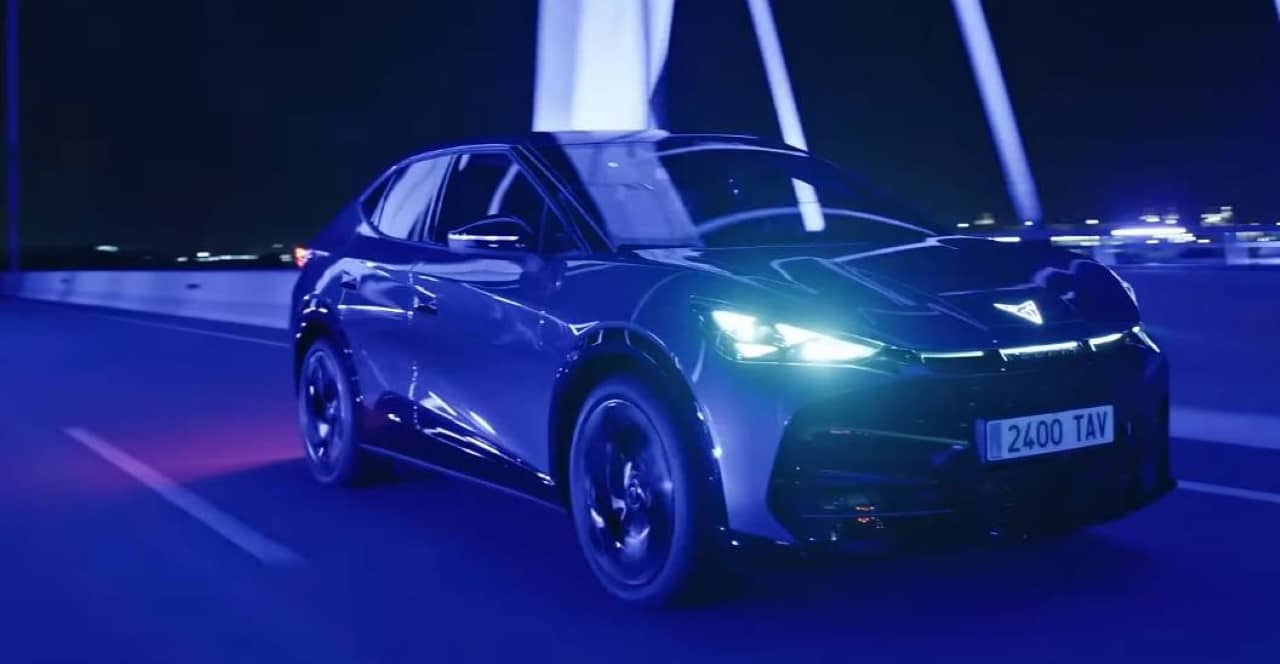 |
Volkswagen achieved a significant strategic victory in commercial negotiations with the European bloc’s regulatory authorities, ensuring the economic viability of one of its main launches. The German automaker signed an official minimum price commitment for the import of the Cupra Tavascan model, manufactured in Chinese territory, thus avoiding the application of punitive tariffs that could make sales of the vehicle on the continent unfeasible. The decision marks an important precedent in the tense automotive business relations between Europa and Ásia.
The agreement established allows the electric SUV to escape compensatory surcharges that were created to combat state subsidies considered unfair by Comissão Europeia. Sem this negotiation, the model would be subject to an additional tariff of approximately 35.3%, in addition to the standard import tax of 10%, which would drastically increase the final cost for the consumer or completely erode the company’s profit margins. The measure confirms Bruxelas’s acceptance of “price commitments” as a valid alternative to direct customs duties.
Agreement details and market impact
The strategy adopted by Volkswagen focuses on maintaining the competitiveness of Cupra Tavascan in an increasingly competitive market segment. By agreeing to sell the vehicle above a stipulated minimum value, the company guarantees that the product will not cause distortions of competition compared to models produced locally in Europa. Analistas of the market point out that, with prices estimated between 50 thousand and 65 thousand euros, the absorption of extra fees would make the model commercially unsustainable.
This movement is closely observed by other manufacturers that have assembly lines at China. The validation of this price control mechanism paves the way for other brands, including Chinese giants and European joint ventures, to seek similar arrangements to keep their export operations active without suffering from full tariff protectionism. The agreement balances Europe’s need to protect its industry with the demand for modern, efficient electric vehicles.
Technical specifications and performance
The Cupra Tavascan stands out not only for its commercial aspect, but also for the technological set it offers, sharing the Grupo Volkswagen’s MEB platform. Para justify its price positioning and meet the requirements of the agreement, the vehicle delivers a robust package of performance and autonomy, essential to attract the demanding European consumer.
– The model is equipped with a 77 kWh net capacity battery, allowing long-distance travel without the need for frequent stops to recharge.
– The range approved in the WLTP cycle can reach 568 km, varying depending on the version and conditions of use, which puts it in an advantageous position compared to direct competitors.
– The fast charging system allows you to recover from 10% to 80% of energy in around 30 minutes at high power stations, optimizing the user experience.
– In the top-of-the-line VZ version, the vehicle has all-wheel drive and two electric motors that generate a combined power of 340 horsepower, accelerating from 0 to 100 km/h in just 5.5 seconds.
Future scenario of electric mobility
Resolving this tariff impasse is fundamental to the electrification plans of the Cupra brand, which projects a complete transition to electric vehicles by the end of the decade. The Tavascan is not just another model in the catalogue, but a central piece in the image of innovation and sports design that the Volkswagen subsidiary seeks to consolidate. The ability to import the China vehicle without excessive tax penalties allows the company to maintain its launch schedule and emissions reduction targets.
Furthermore, the positive outcome signals a possible stabilization in import rules for vehicles that meet specific price requirements. Enquanto the broad commercial dispute between Pequim and



