
Linus Strasser criticizes organization of the Winter Olympic Games after slalom race in Bormio By Jeronimo Santos
6 min read
 |
Linus Strasser criticizes the organization of the Jogos Olímpicos of Linus Strasser detona falta de emoção nos Jogos (94) Lucas Braathen e favoritos decepcionam no slalom olímpico marcado por críticas de Linus Strasser (99) Após nono lugar no slalom Linus Strasser afirma que esta será sua última participação olímpica (96)
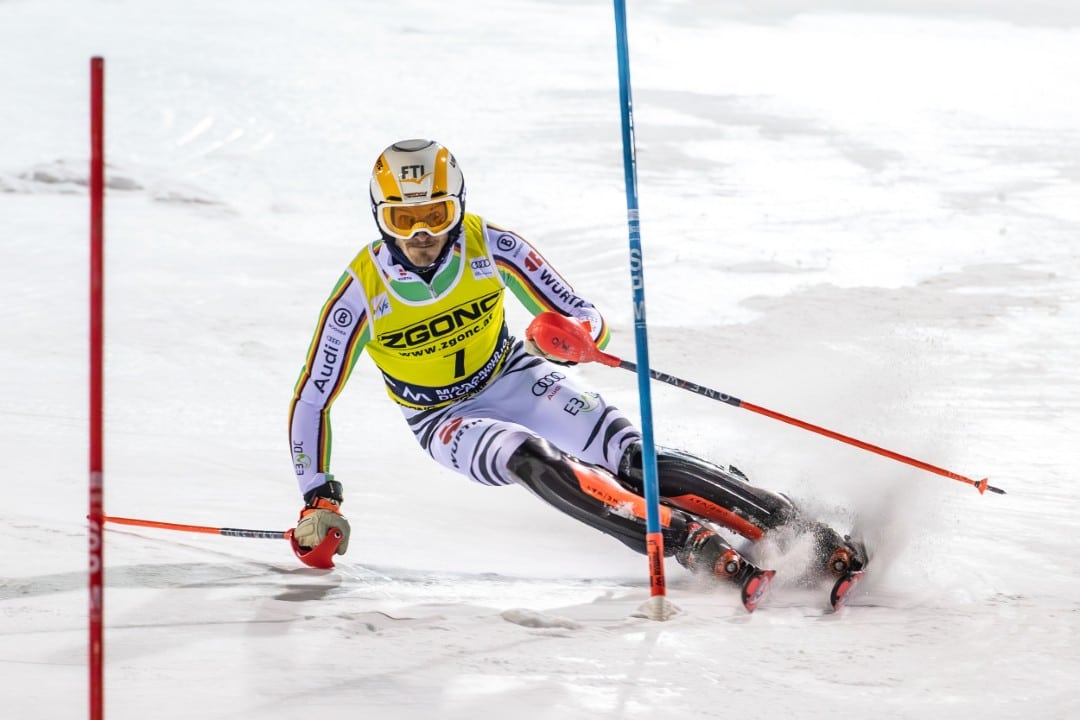
German skier Linus Strasser publicly expressed his dissatisfaction with the organization and environment of the 2026 Jogos Olímpicos of The 32-year-old athlete, who finished the race in ninth place, classified the experience as absolutely sterile and lamented the lack of emotional connection during the most important sporting event of the cycle. The criticism occurred on the afternoon of Monday, February 16, 2026, at 3:26 pm local time, reflecting a discontent that surpassed the technical analysis of its own performance on the Italian tracks.
Impact of isolation conditions on Bormio
Strasser’s outburst was mainly directed at the atmosphere of the competitions, which, according to him, failed to provide the expected interaction between athletes, family members and the public present. Ele highlighted that, although the history of the Olimpíadas is great and the desire for medals drives the competitors, the practical reality in Bormio proved to be cold and without the shine characteristic of major world tournaments. The TSV 1860 Munique skier emphasized that the presence of his friends and family did not result in real proximity due to the restrictions and logistical format imposed by the organization.
The German athlete’s frustration culminated in a drastic statement about his continued participation in events of this size in the future of his professional career. “If this is how you should enjoy Olimpíadas, I’m glad this was the last time,” said Strasser in an interview with German broadcaster ZDF, visibly bothered by what he called the lack of interaction with fans. Para him, high-performance sport loses its meaning when transformed into a purely technical product and isolated from the human warmth of the stands.
- Linus Strasser finished 1.01 seconds off the Olympic podium.
- The German athlete was in 12th position after the first descent.
- Technical errors in the revolving gates compromised the final recovery.
- The criticism focused on the lack of emotional engagement in the event.
Technical performance and results in men’s slalom
In a purely sporting aspect, the slalom race in Bormio delivered surprising results and confirmed the favoritism of some names on the European ski circuit. Swiss rider Loic Meillard won the gold medal, demonstrating superior technical precision on both descents to secure the top spot on the podium. Ele was closely followed by Austrian Fabio Gstrein, who took silver after recording a difference of just 0.35 seconds, while Norwegian Henrik Kristoffersen completed the group of medalists with bronze.
Strasser analyzed his descent pragmatically before launching into harsh criticism of Comitê Organizador, acknowledging that he made crucial mistakes at decisive moments. Ele had entered the final with the aim of making up for lost time in the first phase, but ended up getting stuck in one of the revolving gates in the final third of the course. Esse incidente custou valiosos décimos de segundo e impediu que o alemão subisse na tabela de classificação, selando sua participação no top 10, mas fora da disputa direta por medalhas.
Disappointment of favorites and unexpected falls on the track
The competition was not only difficult for Strasser, but it also resulted in intense frustration for other big names in the sport who were tipped for the podium. Norwegian Atle Lie McGrath, who was leading the race at half the time, suffered a fall that was fatal to his title claims when he stumbled into a gate on the finishing straight. In a gesture of pure despondency, the athlete walked away from the crowd and lay down in the snow in a wooded area close to the track, symbolizing the weight of the Olympic defeat.
Another significant casualty was that of the Brazilian Lucas Pinheiro Braathen, Olympic giant slalom champion, who had a short and unfortunate participation in this edition of the slalom. Braathen had the best split time until 30 seconds into the race, but lost pressure on the outside ski during a sharp turn to the left and slipped. His Além, the Austrian Manuel Feller and the Frenchman Paco Rassat also failed to complete the first descent, highlighting the high level of demand and the danger of the track conditions in Bormio.
Strasser’s perspective on the future of competitions
Strasser’s stance raises a necessary debate about the modernization of Jogos Olímpicos and the balance between security, logistics and the spectator experience. The athlete reiterated that the coldness of the environment takes away the essence of what it means to compete on Olympic soil, transforming the search for glory into a mechanical task devoid of passion. Ele believes that the current model takes sport away from the masses and harms the legacy that Jogos should leave for the host cities and the participants themselves.
Despite the bitterness towards the organization, Strasser recognized the technical effort of his opponents and the quality of physical preparation required to face the Italian mountains. However, the farewell tone in his speech suggests that the skier can focus his energies only on the Copa circuit of Mundo, where the environment tends to be more vibrant and less restrictive. Esta position reflects a growing sentiment among veterans who value the traditional culture of alpine skiing over Olympic megastructures.
Technical details of the test in Bormio
The weather conditions and snow preparation were determining factors for the high rate of withdrawals and technical errors observed throughout the afternoon of competitions. The revolving gates, known for testing skiers’ maximum reflexes, were the scene of constant time losses, including for Strasser in his final attempt to attack the podium. The precision required was such that any millimeter outside the axis of gravity resulted in falls or the total loss of inertia necessary for the remainder of the journey.
Gold: Loic Meillard (Switzerland) consolidated its position as one of the biggest names in world slalom today. Prata: Fabio Gstrein (Austria) maintained the Austrian tradition on the podium with an aggressive and constant descent. Bronze: Henrik Kristoffersen (Norway) secured another medal for its vast international collection. Nono place: Linus Strasser (Germany) ended its participation with criticism that will echo behind the scenes at the IOC.
The future of slalom after criticism from Strasser
The repercussion of Linus Strasser’s words should generate internal meetings between team leaders and organizers of Jogos, Milão and Cortina 2026 for the next days of competition. The complaint about the isolation of athletes and the lack of an “Olympic atmosphere” directly affects the event’s marketing, which seeks to sell an image of global unity and celebration through sport. Para fans, the question remains whether other alpine skiing stars will follow the German’s chorus or whether conditions will be adjusted for the remaining races.
While the organization does not make an official statement, the focus turns to the next stages of the winter calendar, where interaction with the public is expected to be fully resumed. Strasser, in turn, must return to Alemanha to reevaluate his training schedule and decide whether to maintain his decision to no longer participate in Olympic cycles. The episode in Bormio marks a turning point in the career of one of the most respected athletes in European skiing, leaving a trail of controversy over the direction of winter sports.



