
Chinese New Year 2026 begins today with strict superstitions to preserve prosperity and financial luck

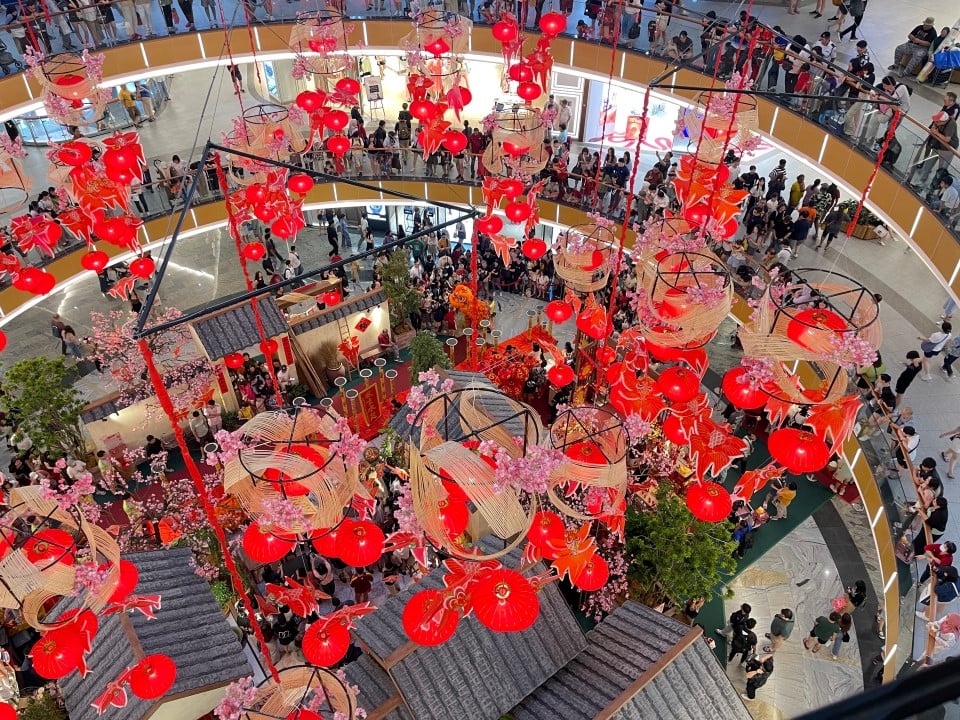
Ano Novo Chinês began this Tuesday, February 17, 2026, marking the first day of the lunar calendar and the beginning of Ano of Cavalo of Fogo. Bilhões of people around the world, especially in Chinese communities, follow ancient traditions that guide specific behaviors to attract luck and prosperity throughout the annual cycle. Entre The most observed rules are the prohibition of sweeping the house or washing one’s hair, actions considered capable of warding off newly arrived fortune.
These practices derive from beliefs deeply rooted in Chinese culture, where everyday actions on the first day of the year symbolize what will occur in the following months. Famílias prepare the environment in advance to receive positive energy, carrying out intense cleaning before New Year’s Eve. Após the official start of the celebrations, the focus shifts to preserving what was symbolically achieved.
Cleaning zero marks the first day of the lunar year
The tradition known as “zero cleaning” prevents any type of domestic cleaning on February 17th. Varreduras or trash removal are avoided because they symbolize expelling the prosperity that enters the residence with the new cycle.
Many families hide brooms and cleaning utensils to prevent accidents. If there is an urgent need to collect dirt, the movement should be from the corners towards the center, keeping the wealth “stored” inside the house. Essa guidance extends through the first days of the festival, with stricter restrictions at the beginning.
Respecting these rules aims to align the domestic environment with the arrival of favorable energies. Portais news and communities highlight that billions adhere to these practices annually to ensure an auspicious year.

Hair washing linked to loss of wealth
Washing your hair on the first day of Ano Novo Chinês is one of the best known prohibitions. In the Mandarin language, the word for hair sounds similar to the term meaning prosperity or getting rich, which leads to the interpretation that shampoo or running water symbolically removes fortune.
This belief is also connected to respect for Deus of Água, whose celebration date coincides with the first days of the festival. Usar Excessive water for baths or washing is seen as disrespectful to divinity and may interfere with the flow of abundance. Muitos choose to complete personal hygiene the day before to avoid any risk.
The recommendation is to postpone these activities until the following days, when restrictions gradually ease. Essa precaution reinforces the idea that the first day sets the financial and energetic tone for the entire year.
Sharp objects and prohibited behaviors in Ano of Cavalo of Fogo
Knives, scissors and other sharp items are stored during the first day. Tradition indicates that sharp objects can “cut” the flow of luck, interrupting the positive progress expected for the period.
Cooking preparations that require cutting must be done in advance. Essa measure protects against symbolic interruptions in the trajectory of success and vitality associated with Cavalo, an animal that represents dynamic energy and rapid changes in this cycle of fire.
Avoiding discussions, complaints or negative words is also part of the main guidelines. Manter an environment of positivity helps to attract harmony and opportunities throughout the months.
- Do not use colors associated with mourning, such as black or white, prioritizing red for protection and prosperity.
- Pay off debts before New Year’s Eve, to start the cycle without financial issues.
- Predominant use of red in clothing, decorations and monetary gift envelopes.
Using red as protection against negative energies
Red dominates the Ano Novo Chinês celebrations. Essa color serves as a shield against adverse forces, including ancient legends about creatures that threatened communities during the festive period.
Families decorate homes and wear red items to reinforce the attraction of good energy. The fire element of the year intensifies this association, symbolizing vigor and active protection against unforeseen events.
This practice extends to red envelopes given to children and family members, containing symbolic amounts to wish wealth and success.
Alignment with the sign of Cavalo in 2026
The Ano of the Cavalo of the Fogo brings characteristics of speed, perseverance and freedom. The animal symbolizes constant movement and courage to face challenges, with fire adding intensity and unpredictability to changes.
These qualities influence expectations for the period, encouraging decisive and adaptable actions. First Day superstitions serve to align individuals and homes with this dominant energy.
Traditions such as avoiding actions that “crowd out” prosperity complement the search for balance and positive advancement.
Celebrations reinforce family and cultural unity
Family gatherings mark the beginning of the festival, with shared meals and the exchange of well-wishes. Essas practices strengthen ties and transmit cultural values to new generations.
The focus remains on preserving harmony and abundance from the outset. Bilhões participate actively, adapting the rules to local realities without changing the essential meaning.
The Ano Novo Chinês of 2026 continues with festivities that last for days, maintaining the commitment to rituals that promote collective well-being.



