
Ring controversy drives Apple to create doorbell with facial biometrics and local encryption By Carolina Costa
3 min read
 |
The Cupertino technology giant is advancing in the development of a new line of products for home automation, with emphasis on a video doorbell equipped with advanced biometric features. The device, expected to hit the market in 2026, promises to use Face ID technology to identify residents and automatically unlock doors, positioning itself as a safe alternative in a sector increasingly questioned about the use of personal data.
Market reaction and privacy context
The iPhone manufacturer’s investment gains momentum after controversies involving Amazon and its subsidiary Ring. A recent commercial, aired during Super Bowl, sparked intense debate about mass surveillance by promoting a search tool for lost animals that used shared camera networks. The functionality was interpreted by several viewers and civil rights groups as invasive, raising concerns about indiscriminate monitoring in residential neighborhoods.
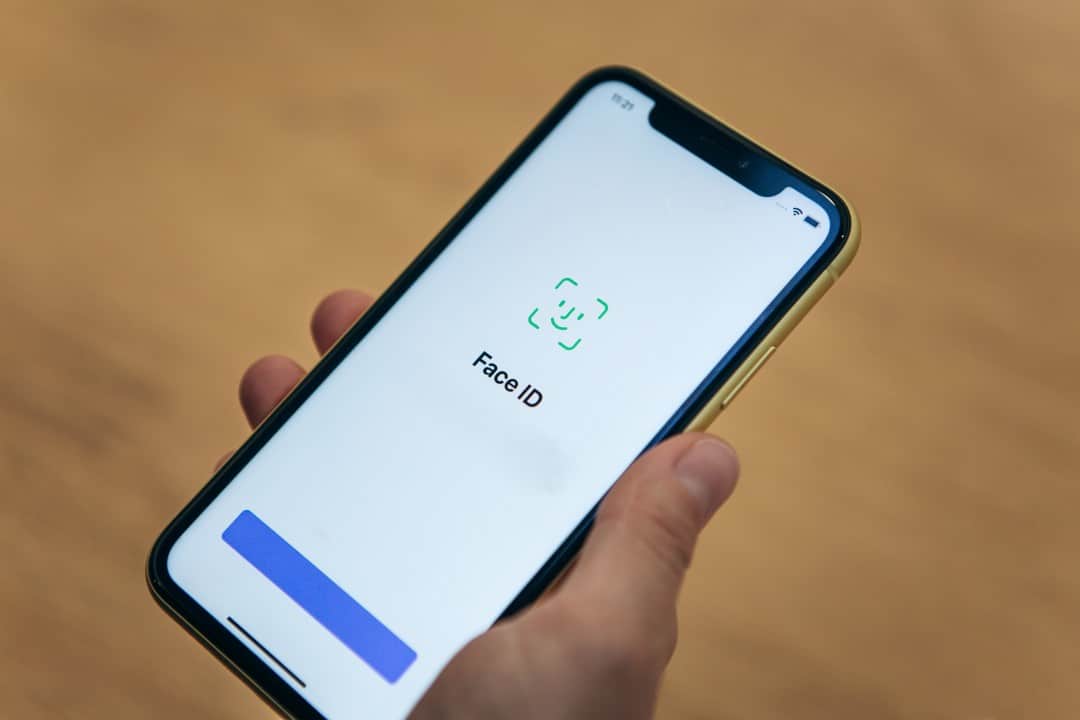
Given the negative repercussion, which included the termination of partnerships with surveillance firms by the competitor, a gap has opened up in the market for companies that prioritize data protection. Consumidores have been looking for options that offer convenience without compromising family privacy, a scenario that favors Apple’s strategy of keeping the processing of sensitive information outside the cloud.
Local processing and data security
The big difference of the new device lies in the way biometric data is handled. Diferente than many competitors that send images to external servers for analysis, Apple’s solution must process facial recognition locally, using the Secure Enclave chip. Isso ensures that the user’s facial information remains on the device, drastically reducing the risk of leaks or access by third parties.
In addition to biometrics, the system will integrate end-to-end encryption through HomeKit Secure Video. Recordings captured by the doorbell can be stored in iCloud, but access to the content will be restricted exclusively to authorized users, even preventing the company itself from viewing the images.
Integration with the home ecosystem
The smart doorbell will function as a centerpiece in the Casa app, connecting to compatible smart locks. Upon recognizing an authorized resident, the system will send a command to unlock the door without the need for physical keys or numeric codes. Visitantes strangers will trigger immediate notifications on the brand’s devices, such as iPhones and iPads, allowing for real-time monitoring.
Behind-the-scenes reports indicate that this launch is part of the company’s larger offensive in the smart home segment. The project, which has been under development since the end of 2024, should be accompanied by internal security cameras and a new home hub, consolidating an ecosystem focused on the integrity of user information.
Features expected by the sector
Experts expect the device to offer a robust combination of hardware and software. Entre expected features include facial recognition via Face ID for access automation, fluid integration with certified third-party locks and instant movement alerts. The strategy aims to not only capture market share from privacy-conscious users, but also boost subscriptions to the company’s cloud storage services.



