

The broadcast of CCTV’s Gala of Festival of Primavera on February 16 marked a new chapter in the fusion of technology and culture on China. Quatro robotics companies presented their humanoid models on national television, performing everything from comedy sketches to complex simulated combat routines. The program highlighted the advancement of the sector in the country, highlighting the direct interaction between machines and human artists in real time.
The event, which celebrates the beginning of Ano Novo Lunar, used the main stage to demonstrate the evolution of mechanical precision and force control of automatons. Diferente From previous editions, where the robotic presence was more static or limited to simple dances, this year’s presentation required advanced dynamic balance to support traditional jumps and weapon handling.
Millions of viewers followed the performances that were part of the official schedule. The initiative reflects a strategy to popularize humanoid robotics, placing cutting-edge technologies in mass entertainment scenarios and historical cultural narratives.
Combat performance and timing
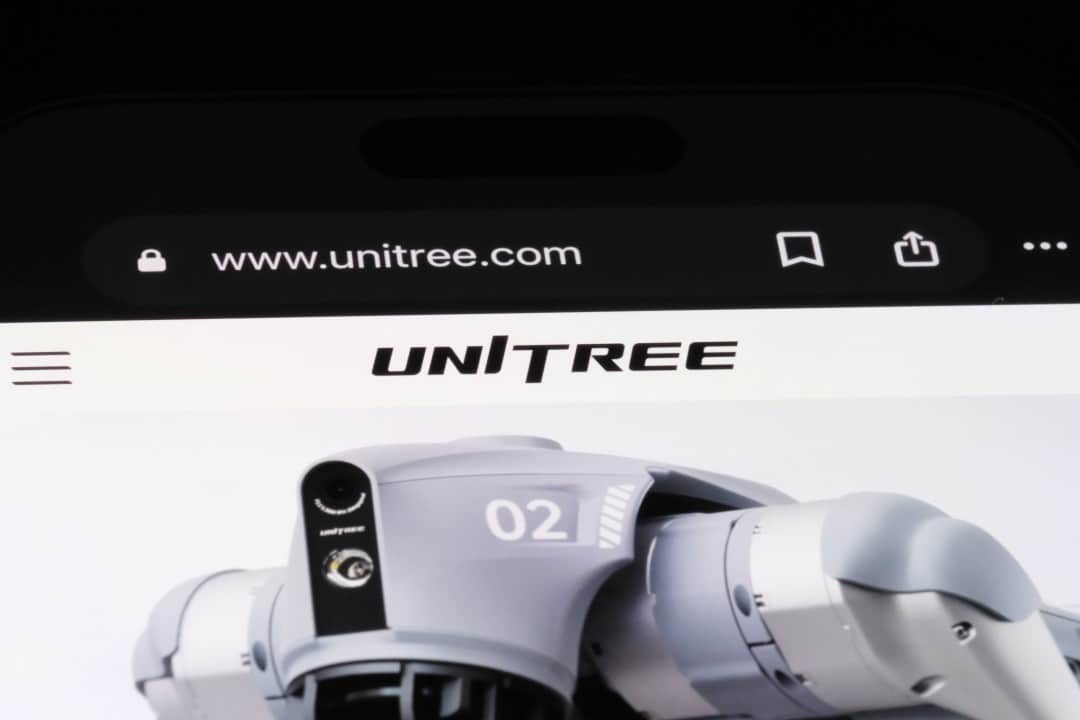
The attraction titled “Wu BOT” was the central point of technological participation in the night. Desenvolvida by Unitree Robotics in partnership with Escola by The choreography included sequences of high technical difficulty, such as the use of nunchaku and the execution of somersaults.
The models demonstrated immediate responsiveness during simulated combat interactions. The robots’ programming allowed fluid transitions between quick strikes and traditional static postures, requiring precise coordination to avoid accidents with the human performers sharing the stage.
In addition to the fights, there were parkour demonstrations, where units overcame physical obstacles and performed acrobatics on trampolines. The robots’ stability on uneven surfaces and recovery from aerial impacts were tested throughout the duration of the issue.
Technical evolution and hardware capabilities
The advances presented on stage are the result of significant updates to the machines’ hardware and software compared to the previous year. The H2 model, 1.8 meters tall, was used in routines involving the handling of swords and sticks, demonstrating fine control of strength and articulation.
Multi-robot coordination was another relevant technical aspect, with more than a dozen units operating simultaneously without communication failures. The dynamic balance system allowed humanoids to execute movements that mimic human biomechanics with greater fidelity.
- Execution of the drunken fist technique with center of gravity control.
- Rotation of nunchucks at high speed keeping the rhythm of the music.
- Synchronization of backflips with children’s jumping timing.
- Instant posture adaptation after trampoline landings.
These characteristics indicate a maturation of the technology for applications that require complex mobility and safe physical interaction in uncontrolled environments.
Diversification of participating companies
In addition to Unitree, other Chinese startups had space to showcase their innovations in different artistic contexts. Songyan Power participated in the sketch “Favorito from Vovó”, where its robot interacted with actors in humorous scenes, performing simulated domestic tasks and responding to dialogues, which demonstrated potential for social assistance.
In the musical segment, Magic Atom was part of the number “Futuro da Manufatura Inteligente”. The presentation focused on collective coordination, with robots forming geometric patterns and dancing in unison, symbolizing modern industrial automation.
Galaxy General was present in the short film “Minha Noite Mais Inesquecível”, acting alongside well-known personalities such as Shen Teng and Ma Li. The inclusion of the humanoid in a cinematic narrative explored the machine’s ability to display basic facial expressions and participate in dramatic plots.
Integration with cultural tradition
The collaboration with Escola Tagou was essential to guarantee the authenticity of the martial movements presented. Instructors and students adapted centuries-old choreography to the limitations and capabilities of mechanical bodies, creating a hybrid between Chinese intangible heritage and modern engineering.
The performance served as a showcase for national progress in the field of robotics, using one of the highest-rated programs in the world to reinforce the country’s image of innovation. The public response and the absence of technical failures during the live broadcast consolidated the viability of these models in large productions.