
Haval H6 boosts GWM’s performance, which grows 70 percent and surpasses Ford in the national ranking By Jeronimo Santos
3 min read
 |
The national automotive scenario witnessed a relevant change in the hierarchy of automakers in the first month of the year. GWM registered a volume of 4,409 registrations in January, consolidating an accelerated upward trajectory that resulted in it achieving 11th position in the general ranking of brands in the Brasil.
This performance represents a significant increase of 70% when compared to the same period of the previous year. The result contrasts significantly with the sector’s general average, which showed a more modest positive variation, ranging between 1.4% and 7.4% in the month, influenced by seasonal issues and the reduced number of working days.
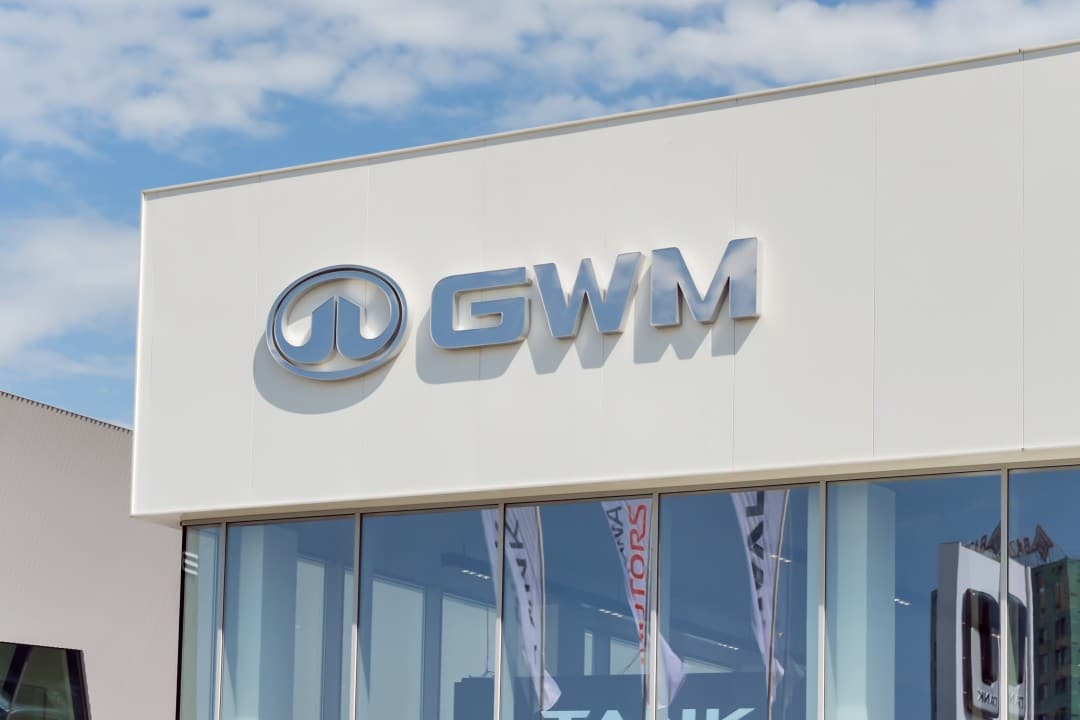
The performance obtained allowed the manufacturer to surpass traditional and consolidated competitors, such as the North American Ford and Caoa Chery. The advance is driven mainly by the strategy focused on vehicles with new propulsion technologies, which are increasingly gaining ground in local consumer preference.
Dominance among sports utility vehicles
The brand’s product line demonstrated strength in different niches, with absolute emphasis on electrified models. The Haval H6 reaffirmed its leadership in the category, distancing itself from direct rivals from manufacturers such as BYD and Toyota, and accounting for the largest share of the company’s sales in the period.
In addition to the flagship, other larger models secured relevant positions in their respective segments, reinforcing the automaker’s presence in higher price ranges and premium niches.
- Haval H6: maintained its isolated leadership among hybrids with more than 2,600 units delivered.
- Haval H9: reached second place among large SUVs, totaling 882 registrations.
- Tank 300: ranked third in the same category, with 363 vehicles sold.
The hybrid segment, as a whole, showed strength by representing approximately 16% of all vehicle sales in the country in January. The search for energy efficiency and lower pollutant emissions continues to dictate purchasing trends, favoring technologically updated portfolios.
Expansion of infrastructure and production
The growth observed in January continues the positive results accumulated in the previous year. The company ended 2025 with a total of 42,785 vehicles on Brazilian streets, a jump of around 46% compared to 2024. Esse consistent volume validates the business plan drawn up for the national operation.
To sustain this demand, the service infrastructure continues to expand. The dealership network has been extended to several regions, ensuring capillarity in sales and after-sales support, a decisive factor in customer loyalty in a competitive market.
The industrial base in Iracemápolis, within São Paulo, plays a central role in this strategy. The manufacturing unit, acquired and modernized, focuses on producing models adapted to driving conditions and the preferences of Brazilian drivers, with an emphasis on hybridization.
Scheduled launch offensive
The automaker confirmed an aggressive schedule of news for the coming months. Estão 12 new models are expected to arrive on the Brazilian market throughout 2026, covering different categories and technologies, from hybrid and plug-in options to combustion vehicles.
Part of this new fleet is already in the testing and homologation phase. The objective is to diversify the offer to reach new consumer profiles, with specific plans to reinforce operations in segments such as pickup trucks and compact SUVs.


