Ralf Schumacher warns Max Verstappen about harsh criticism of the new Formula 1 regulations

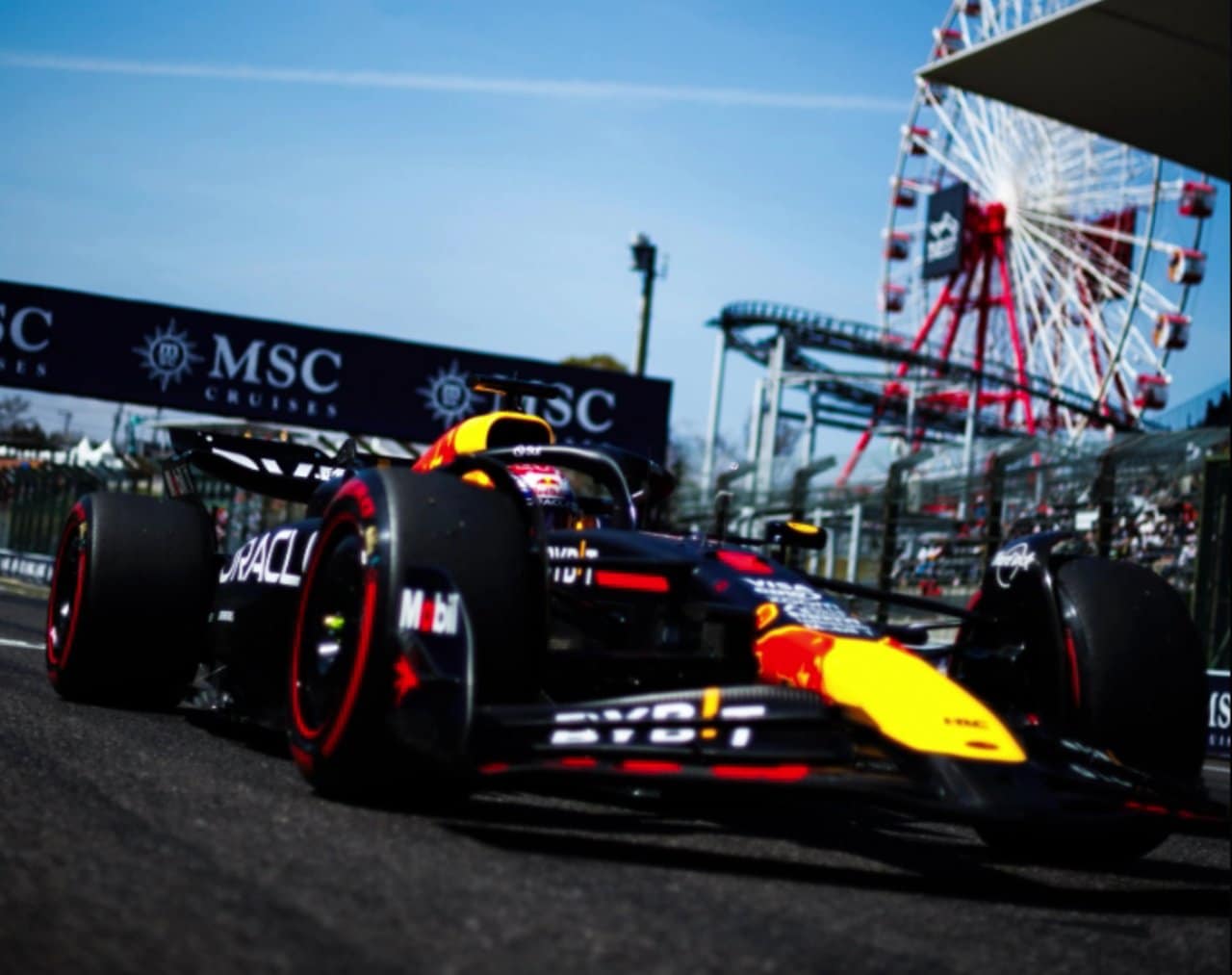
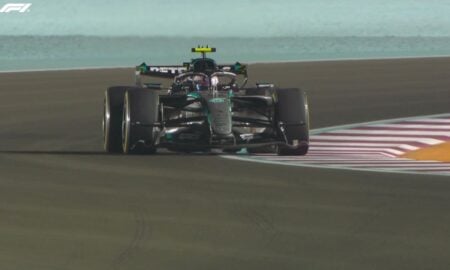
The former driver of Fórmula 1 Automobilismo. Schumacher emphasized that the current situation requires patience from competitors while the teams carry out the first pre-season tests on the Bahrein to understand the behavior of the new single-seaters. The veteran highlighted that the tone used by Verstappen when comparing cars to Fórmula E vehicles does not contribute to the development of the sport.
The regulatory changes implemented for the next cycle of the category prioritize energy conservation and sustainability, which drastically alters the driving dynamics and engine management. Verstappen has been the most vocal voice against these changes, stating that current cars have lost the essence of pure speed in favor of overly complex hybrid systems. Ralf Schumacher, however, considers that initial complaints are common in periods of technical transition and that the grid should focus on adaptation before issuing definitive judgments. The divergence of opinions occurs in a scenario where every second of track is crucial to collect data on the efficiency of new power units.

Ralf Schumacher’s position on institutional impact
Ralf The German recalled that Fórmula 1 provided the professional and financial growth of countless generations, including his own and his brother, Michael Schumacher. Para the commentator, the four-time champion should show more gratitude and a sense of cooperation with the category management instead of adopting an impulsive tone.
The preservation of sport as a global product is one of the central points defended by Schumacher, who believes that internal criticism should be discussed in private forums. Ele suggests that negative public statements drive away interest from big brands and create an unnecessary climate of instability among fans. The union between drivers, teams and organizers is seen as the most viable way to resolve any technical failures that arise throughout the year.
Complexity of changes to technical regulations
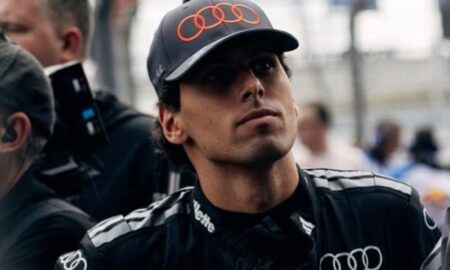
Implementing the new 2026 rules was a long process involving complex negotiations between the FIA, Liberty Media and engine manufacturers. Ralf Schumacher explained that the changes were not based on aesthetic preferences, but rather on market demands to attract new investors, such as the Volkswagen group through Audi. Esse strategic alignment allowed the category to maintain its technological relevance in the global automotive industry that is moving towards electrification.
- Increased dependence on electrical energy in power units.
- Reduction of complex aerodynamics to facilitate overtaking on the track.
- Use of 100% sustainable fuels to reduce the carbon footprint.
- Limiting costs to ensure the financial sustainability of smaller teams.
Engineers from the ten teams on the grid are working hard to optimize performance within these new constraints, facing unprecedented cooling and weight challenges. Schumacher believes that the alarmism of some pilots may be motivated by specific difficulties encountered by their teams during initial development. Portanto, he suggests that the final verdict on the quality of the races can only be given after the first official grand prix of the season.
Comparison with behaviors of other champions
Max Verstappen’s behavior was compared by Schumacher to that of Sebastian Vettel, who also used to express strong and rapid opinions on political and technical topics. However, the former pilot highlighted that, although it is healthy to have your own opinion, it is necessary to keep an open mind to technological progress. Resistance to change is a historical characteristic of the category, but it has rarely resulted in the cancellation of regulations already approved and in force.
The figure of Bernie Ecclestone has been cited as the architect of the commercial success that allows current pilots to earn million-dollar salaries and have global reach. Schumacher reinforces that the Fórmula 1 gear needs to work as a whole, balancing the athletes’ driving pleasure with the manufacturers’ interests. If a driver does not find the car enjoyable, the weight of having global brands investing in the sport should still be considered as the highest priority for the survival of the ecosystem.
Operational difficulties for immediate changes
Ralf Schumacher clarified that, at this advanced stage of the calendar, it is practically impossible to make significant changes to the technical rules without the absolute consensus of everyone involved. Para If a change were to occur now, it would be necessary to prove that there is a serious safety flaw or technical problem that affects all cars identically. Sem this unanimity, the regulations remain immutable, making public complaints of Verstappen ineffective from a practical point of view.
The time factor is another critical impediment mentioned by the German, as interventions in engines and chassis require months of research and production. Previous Casos, such as problems faced by Mercedes in its propulsion systems, demonstrated that large-scale adjustments do not happen overnight. Teams have already invested hundreds of millions of dollars in developing current projects, and any change now would create unprecedented financial and logistical chaos.
Expectation for track performance in the Bahrein
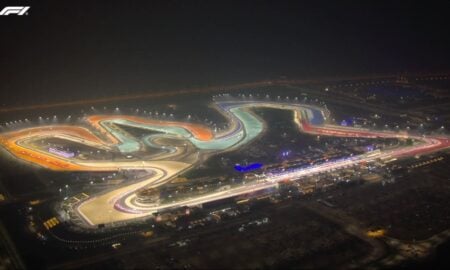
The tests on Bahrein serve as the first real barometer to check whether Verstappen’s pessimism is justified or whether it is just a reaction to the new driving style. Schumacher bets that engineers will find creative solutions to make cars more agile and competitive within what is allowed by sports law. The history of the category shows that development during the season usually mitigates the initial problems reported by test drivers.
Riding in 2026 requires much finer management of kinetic and thermal energy recovery, which can frustrate pilots accustomed to raw power delivery. Schumacher understands the technical frustration, but reiterates that the role of a sport ambassador, as is the case of a four-time champion, goes beyond the cockpit. It is expected that, as the rounds go by, tempers will calm down and the focus will return exclusively to the fight for the world title on the tracks.
The relevance of keeping the category image intact
Maintaining the integrity of Fórmula 1 with sponsors and young audiences is essential to securing long-term broadcast contracts and commercial partnerships. Quando the main driver today openly criticizes the product he delivers, creating a negative perception that can affect the market value of the entire competition. Ralf Schumacher suggests that constructive dialogue between the drivers’ association and race directors is the path to fine adjustments in future seasons.
The balance between the excitement of racing and technological feasibility is the biggest challenge faced by the FIA in the last decade. The entry of new manufacturers is the clearest sign that the chosen direction has corporate support, regardless of competitors’ individual preferences for louder engines or lighter cars. Schumacher ends his reasoning by emphasizing that evolution is inevitable and that great champions are defined precisely by their ability to win under any set of imposed rules.
As preparations progress, the motorsport community is waiting to see if Verstappen’s discourse will change following the first competitive results. Ralf Schumacher’s warning echoes as a call for professionalism in a time of uncertainty, remembering that the category is bigger than any individual. The union suggested by the German could be the difference for the transition to the sustainable era of Fórmula 1 to be successful and attractive for everyone involved.