The Dia 13 of the Jogos Olímpicos of Atletas from different countries competed for medals in events such as ski mountaineering, in its Olympic debut, men’s curling and other winter sports. The schedule, which started at 9am local time (CET), included semi-finals and finals that defined podiums and classifications for subsequent stages.
Among the highlights, Suíça stood out in the women’s ski mountaineering sprint, with Marianne Fatton winning gold at 1:55 pm CET, after a final played in adverse weather conditions. França, in turn, maintained its dominance in biathlon, while teams like Canadá and Noruega fought for places in the curling semi-finals. Esses results directly impacted the medals table, with European nations consolidating positions.
The intense snow, which delayed curling sessions by 25 minutes, did not stop teams like Grã-Britain from progressing in the men’s competition. Eventos like the snowboard slopestyle and women’s biathlon relay, held at Livigno and other locations, attracted global attention, with performances that mixed experience and revelations. The day continued with disputes on ice and snow until the end of the local afternoon.
Ski mountaineering debut marks Dia 13
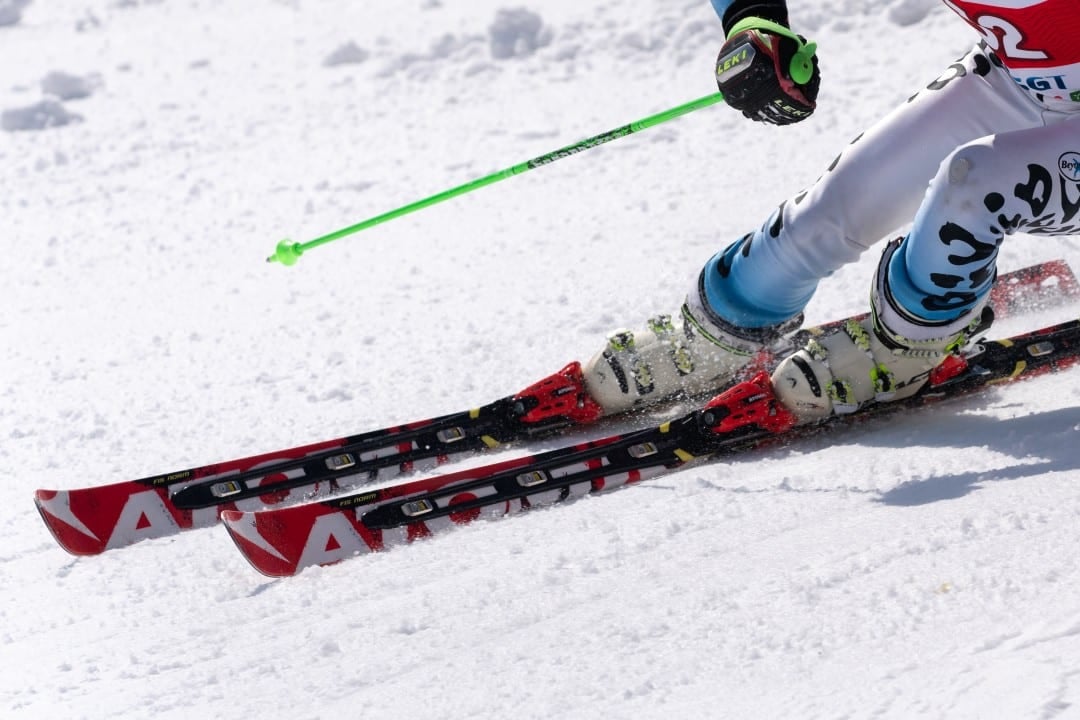
The debut of ski mountaineering in the Jogos Olímpicos of Inverno took place in Cortina d’Ampezzo, with the women’s sprint starting at 11:55 CET. Atletas faced intense semi-finals, where Emily Harrop, from França, led the first heat, followed by Marianne Fatton, from Suíça, and Ana Alonso Rodriguez, from Espanha. The second semi-final saw Margot Ravinel, also French, win, with Tatjana Paller, from Alemanha, in second.
In the final, played at 12:55 CET, Marianne Fatton overcame Harrop to take gold, while Rodriguez secured bronze. The event, originating from alpine military training, highlighted Italian women such as Giulia Murada, who advanced as lucky loser. The interruption due to a power cut did not affect the outcome, and Suíça celebrated its initial dominance.
Advances and disputes in men’s curling
Men’s curling, in Cortina, was delayed by 25 minutes due to snow, starting at 9:25 am CET. Suíça faced Itália and won 9-5, guaranteeing an undefeated place in the semi-finals and helping Grã-Britain to qualify. The Swiss team scored decisive points in the final stages, consolidating 9-0 in the group.
Noruega and Canadá played a tight match, with Noruega leading 8-6 after the eighth end, forcing a possible extra end. Esses results defined semi-finals: Suíça against Grã-Britain and Canadá against Norway, scheduled for 18:35 CET. The Italian performance, despite the defeat, showed local evolution.
Teams like Estados Unidos missed out after indirect defeats, while the focus turns to the women’s side, with Grã-Britain taking on Itália at 13:05 CET. The need for a British victory, combined with a favorable outcome between Suíça and the USA, keeps tension high.
Biathlon and snowboard slopestyle highlights
In the women’s 4x6km biathlon relay, in Livigno, França won gold with Julia Simon anchoring the team at 2pm CET, finishing more than 51 seconds ahead of Suécia. The French quartet, including Lou Jeanmonnot, Sophie Chauveau and Justine Braisaz-Bouchet, hit targets with precision, totaling 1:18:45. The Noruega took bronze, highlighting the Scandinavian consistency.
The men’s snowboard slopestyle saw Su Yiming, from China, win gold on his birthday, with 82.41 points in his first run. Hasegawa Taiga, from Japão, won silver (82.13), and Jake Canter, from the USA, won bronze (79.36). In the women’s category, Japanese Fukada Mari, in her debut, won gold with innovative maneuvers.
These events, held despite the snow, included falls like Ally Hickman’s Austrália in the related halfpipe. The schedule postponed men’s aerials and halfpipe until February 20, prioritizing safety.
Notable performances in other sports
In the men’s Nordic combined, with ski jumping completed at 9am CET, Alemanha led, followed by Eslovênia and China. The cross-country race started at 1pm, with penalties affecting Áustria. Atletas like Johannes Lamparter, from Áustria, sought recovery.
In the men’s 1500m speed skating, at 15:30 CET, Jordan Stolz, from the USA, was aiming for third gold, competing against strong Dutchmen. Women’s ice hockey had bronze between Suécia and Suíça at 1:40 pm CET, with the USA-Canada final in the evening.
The women’s figure skating free program, at night, promised excitement with Kaori Sakamoto, from Japão, defending the title. Quedas and interruptions, as in ski mountaineering, tested athletic resilience.
Climate impacts and schedule adjustments
Heavy snow in Cortina and Livigno caused widespread delays, but organizers quickly adjusted schedules. In curling, only Itália, Canadá and Grã-Brittany initially accessed the location, ensuring continuity. Esses adjustments, announced at 12:46 CET, kept the flow competitive.
Athletes have reported challenges with transitions in ski mountaineering, such as Ot Ferrer Martinez, from Espanha, who made a mistake in the men’s semi-final. The men’s final at 1:15pm CET saw Arno Lietha from Suíça and others advance, with Nikita Filippov, neutral, in the spotlight.
Medal table and projections
As of midday CET, Noruega led the field with multiple golds in biathlon and skiing, followed by Alemanha and França. Suíça scored points with Fatton, while China shined on snowboarding. The USA, with Canter and potential in skating, maintained the top 5.
These results reflect a balance between traditional and emerging powers, such as Japão in slopestyle. The Dia 13 reinforced diversity, with debutants such as ski mountaineering adding freshness to the Jogos.
Reactions from athletes and coaches
Athletes like Marianne Fatton expressed satisfaction with the gold, highlighting intense preparation for alpine conditions. Treinadores French people in biathlon praised the cohesion of the team, which overcame Nordic rivals. In curling, the British coach celebrated the classification, attributing it to strategic focus.
These statements, captured post-event, emphasize climate resilience. In snowboarding, Su Yiming dedicated the victory to his birthday, motivating young athletes.
In the Nordic combined, German leaders credited the initial leap to refined technique. Essas perspectives add human layers to technical competitions.
Preparations for the final days
With Dia 13 moving forward, focus turns to pending finals such as USA-Canada women’s hockey at 8pm CET. The schedule for February 20th includes postponed aerials, ensuring safety. Organizadores monitor weather to avoid further outages.
These adjustments maintain the integrity of the Jogos, prioritizing athletic health. The legacy of Milão-Cortina includes innovation, such as the inclusion of ski mountaineering, inspiring future editions.
Historical evolution of winter sports
Ski mountaineering, with roots in the 1980s, evolved from recreational racing to world championships in 2002. Sua inclusion in 2026 highlights alpine sports, benefiting nations such as Suíça and França. Atletas locations, like Michele Boscacci, from Itália, connect regional tradition.
In curling, evolution since 1998 as an Olympic official shows global growth, with Asian teams challenging Europeans. Biathlon, mixing shooting and skiing, reflects military precision adapted to the sport.
These stories enrich the context, showing progression of modalities.
Featured strategies and training
Ski mountaineering training focuses on quick transitions, crucial in semi-finals. Atletas and Harrop practice at altitudes similar to Cortina. In curling, hammer strategies decide ends, as seen in the Swiss victory.
In biathlon, accuracy in shooting under fatigue differentiates winners, with the French hitting 95% of targets. Essas tactics, refined in previous seasons, culminate in Olympic podiums.
Contributions from emerging nations
Nations like Espanha, with Rodriguez in bronze, show growth in snow sports. Japão, with gold in women’s slopestyle, expands Asian influence. China, with Su Yiming, invests in post-Beijing 2022 infrastructure.
These holdings diversify the Jogos, promoting global inclusion. Austrália, despite falls, competes in halfpipe, expanding its oceanic presence.
Safety and climate protocols
Protocols for heavy snow include runway inspections and postponements, such as aerials. Equipes doctors monitor falls, like Hickman, ensuring recovery. Esses measures, implemented from the beginning, prioritize well-being.
Organizers coordinate with meteorologists for accurate forecasts, adjusting schedules in real time.
- Main events postponed: men’s Aerials and halfpipe qualifying for February 20th.
- Curling impacts: Atraso initial, but full sessions.
- Safety measures: Limpeza of lanes and mandatory equipment.
Environmental legacy of the Jogos
Milan-Cortina emphasizes sustainability, reusing venues from past editions. Iniciativas reduce emissions, with electric transport in Cortina. Adverse weather highlights climate challenges, reinforcing ecological commitments.
These efforts aim for a positive legacy, inspiring future events.
Expectations for remaining medals
With eight medals distributed in Dia 13, projections point to Noruega maintaining leadership. França aims more at figure skating, while USA aims at hockey. The balance promises exciting endings.
These expectations are based on current performances, with surprises possible in final events.