
Filipe Luís’ speech about insults to Vinicius Jr generates strong negative repercussions in the sporting world By Luís Henrique Costa
3 min read
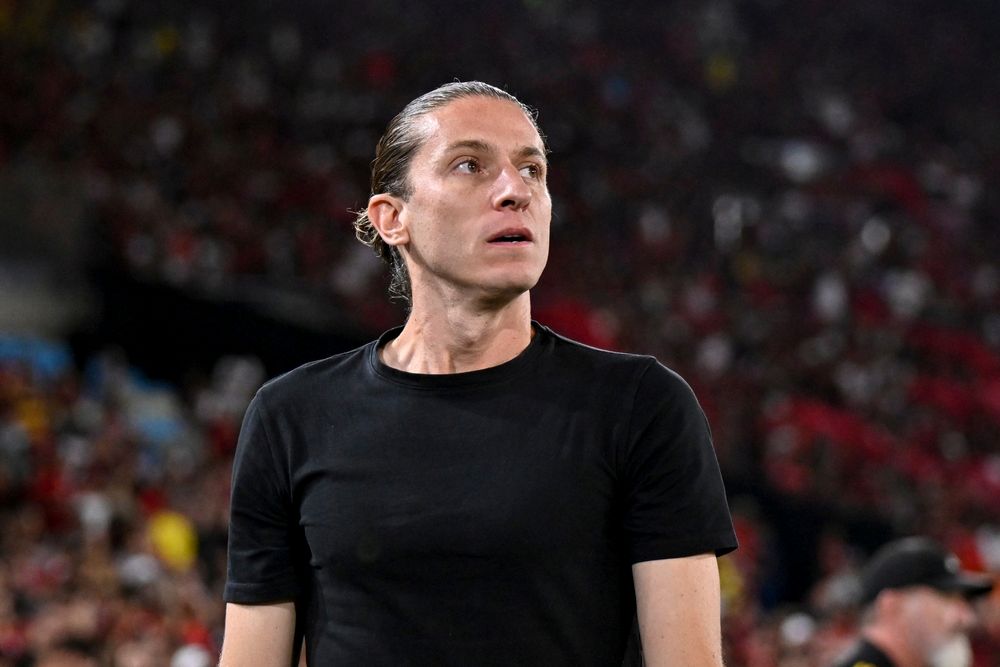 |
The recent press conference given by the Flamengo coach provoked an intense debate in the Brazilian and international sports community. When asked about the episodes of discrimination directed at Vinicius Junior before a confrontation at Argentina, the red-black commander adopted a stance that minimized the seriousness of the acts, classifying the offenses as a common exchange of provocations within the competitive environment. The statement, made at a moment of high tension before a decisive match, contrasted sharply with global campaigns to combat prejudice in sport.
During his speech, the former full-back and current coach suggested that verbal insults are part of the dynamics of football, arguing that “someone says something, someone else responds” and that such interactions should remain within the four lines. Essa approach to normalization generated immediate criticism from journalists and experts, who pointed out the danger of equating hate crimes with sports destabilization tactics.
フィリペ・ルイスはアルゼンチンテレビにこう語った。
「私にとって、それは非常に単純です。プレスティアーニは口を覆ったので、そんなことをすべきではありませんでした。これは非常にデリケートな問題であり、もし彼がそれについて支払わなければならないと言った場合は、彼が支払わなければなりません。」pic.twitter.com/5FZ1WPBNjK
— DataFut (@DataFutebol)2026 年 2 月 19 日
Press reactions and critical analysis
The negative repercussion was instantaneous in the main sports communication vehicles. Commentator Eric Faria was one of the most vocal voices against the coach’s stance, highlighting that the leadership of a club of the magnitude of Flamengo requires a firmer social stance. Para specialized criticism, the attempt to shield the squad or maintain focus only on technical performance ended up delegitimizing a fight that is central to the career of the Real Madrid striker.
Several points were raised to contest the view presented by the coach during the press conference:
- The necessary distinction between sports provocation (trash talk) and discriminatory acts that constitute a crime.
- The psychological impact that the normalization of racism has on athletes and society in general.
- The contradiction between the coach’s speech and the club’s institutional history in awareness campaigns.
- The responsibility of public figures not to perpetuate the idea that football is a lawless territory.
The stance adopted was interpreted as a lost opportunity to educate and reinforce ethical values. By trying to treat the issue as a minor issue or part of South American football “folklore”, the statement ended up isolating the struggle of Vinicius Junior, who often faces hostility in European stadiums and seeks support from his compatriots and former teammates.
Sports context and the weight of leadership
The episode occurred in a scenario of pressure for the Rio team, coming from an adverse result against Lanús. The need to reverse the score and the hostile atmosphere expected at Argentina served as a backdrop for the statements. However, analysts point out that shielding the cast should not come at the expense of relativizing urgent humanitarian issues. Technical leadership, in this case, was charged not only for the results on the field, but for the ability to manage image crises and defend the human integrity of the professionals involved in the show.
Historically, South American football has faced difficulties in severely punishing acts of racism in its continental competitions. The speech of an internationally respected figure like Filipe Luís, who had a long career at Europa, was expected as a possible turning point or unrestricted support for the victim. The opposite path, chosen by the coach when trying to “cool down” the issue, ended up rekindling the discussion about the silent collusion that often permeates the professional football environment.