FIA technical adjustments eliminate failures in hybrid engines and preserve speed in Formula 1

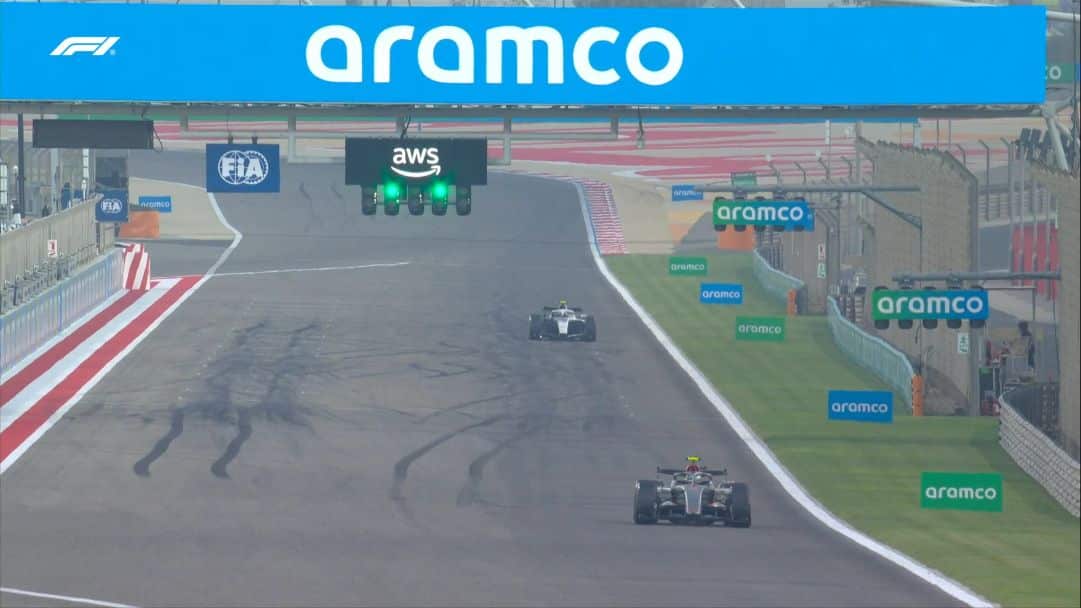
Federação Internacional of The action aims to prevent extreme energy-saving strategies from compromising speed on the straights and the fight for positions on the track, ensuring that the technology serves the competition and does not become an obstacle to the drivers’ pure performance during races on the world calendar.
Virtual tests highlighted a worrying scenario where competitors would be forced to downshift on straights to regenerate batteries, creating artificial and dangerous situations.
これをもっとください! 🤩
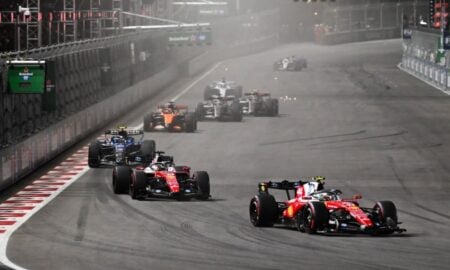
ターン1で戦うラッセルとガスリー⚔️#F1 #F1テスト pic.twitter.com/Os3Nh0wBuM
— フォーミュラ1 (@F1)2026年2月20日
To overcome this initial design flaw, the regulatory body established a collaborative working group with engine teams and suppliers to refine aerodynamic resistance and electrical power management parameters.
Structural changes and impact on aerodynamics
The introduction of a 50% power split between the internal combustion engine and the electrical system brought unprecedented challenges to the category’s engineering. The first simulations demonstrated that, without adjustments, the battery would run out long before the end of the long straights, transforming the cars into slow vehicles in sections where they should reach maximum speed. Esse phenomenon required a complete overhaul of the interaction between chassis and power unit.
To solve the final speed deficit and inefficient energy management, new priorities were established in the car’s development:
- Implementation of more aggressive active aerodynamics systems to reduce drag on straights.
- Fuel flow recalibration and energy recovery to avoid sudden power cuts.
- Adjustments to the aerodynamic load in curves to guarantee grip without penalizing straight-line progress.
- Revision of regeneration parameters to eliminate the need for artificial downshifts.
The technical teams considered that the simple evolution of current engines would not be enough to meet the new demands of sustainability and entertainment. The “agile car” concept proposed by the organization intrinsically depends on aerodynamics working in symbiosis with the engine. If the car generates a lot of drag, the electric motor consumes its charge quickly; If the drag is too low, the car loses stability in curves. The new rules package seeks the exact balance point where technology is at the service of competition.
Unprecedented cooperation between teams
The process of refining the technical standards involved unprecedented cooperation between the federation and the grid’s main manufacturers, including Ferrari, Mercedes, Red Bull Powertrains, Audi, Honda and Renault. Diferente from previous eras, where each team protected its data at all costs, the risk of flawed regulations united competitors in favor of the viability of the championship.
Sharing simulation data made it possible to identify gaps in the original rules text long before physical parts were produced, saving resources and development time. Essa joint task force operated under the premise that the stability of the rules is essential to attract new investors and automakers, correcting the technical project route in advance.
Maintenance of the sports spectacle
The central concern of sports authorities lies in public perception and the quality of the product offered to fans, as a racing car that needs to slow down on straights to survive the duration of the race contradicts the basic principle of the category as the pinnacle of automotive performance. The corrections applied aim to eliminate any possibility of races focusing excessively on resource management to the detriment of competing for positions.
With the changes confirmed, the expectation is that lap times will remain challenging and visually impressive. Advanced hybrid technology will serve as a backdrop for human talent, ensuring that overtaking continues to be maneuvers of courage and precision, and not just the result of one car with more battery than the other, reaffirming the commitment to technological innovation without compromising on emotion.