Four-time Red Bull champion suspends simulator tests after criticizing dynamics of new hybrid engines

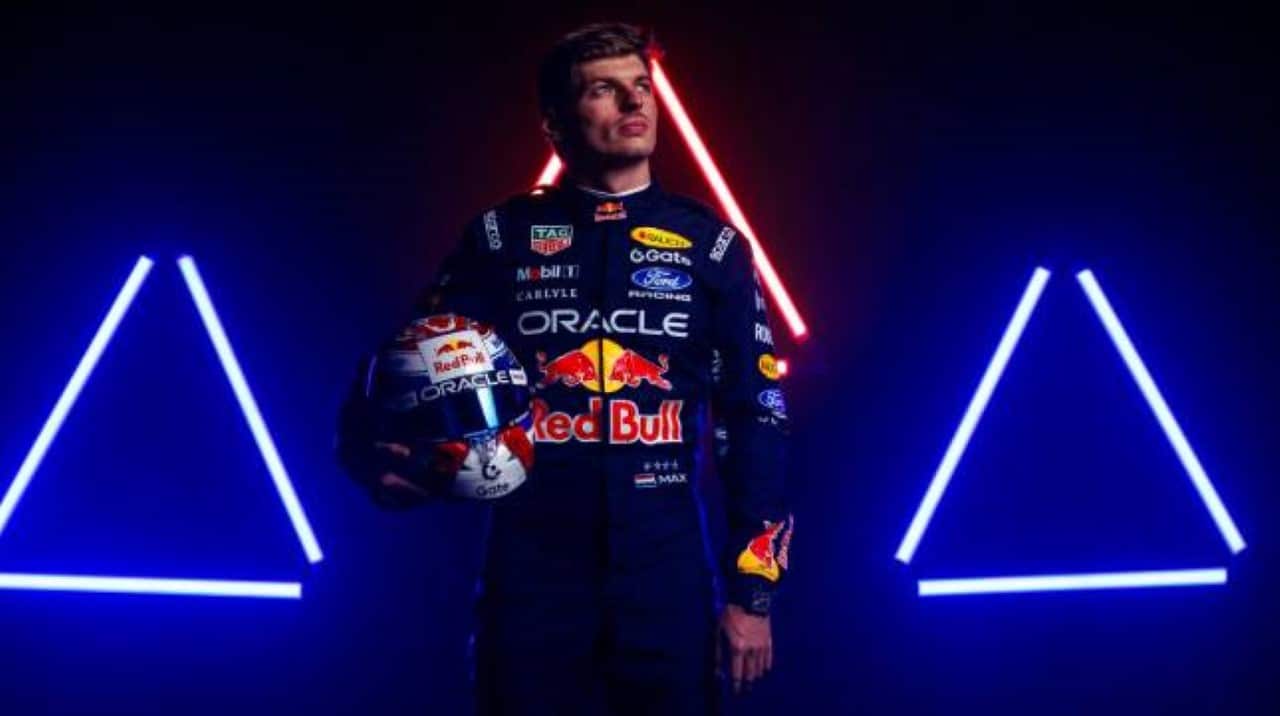
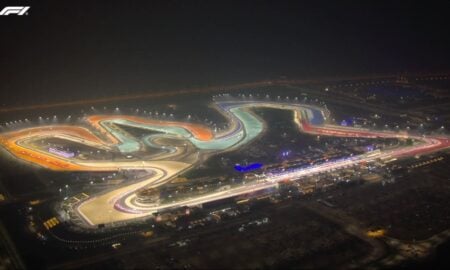
The Dutch driver of Red Bull Racing has taken a tough stance on the development of the next generation cars, opting to stop their collaboration on virtual prototypes. The decision comes after preparatory sessions at Bahrein, where the driving experience imposed by the new technical guidelines fell far short of the expectations of the current world title holder.
This dissatisfaction was communicated directly to the top management of the Austrian team, signaling deep dissatisfaction with the direction of the category. Para the competitor, the dynamics required by new vehicles, which demand excessive focus on energy management and electrical systems, eliminate the fundamental pleasure of high-performance driving. The need for constant adjustments during laps turns running into a mathematical exercise in efficiency, damaging natural aggression and pure speed.

Considering that the sporting factor is intrinsically linked to the quality of the equipment, this positioning raises questions about the motivation of big names on the grid in the long term. Embora the current contract with the team is valid until 2028, performance clauses and personal satisfaction are variables that the driver has always highlighted as priorities for his continuity in the sport.
Revolution in engineering and new technical standards
The standards established for the new phase of the category represent one of the biggest engineering revolutions in recent times. The reconfiguration of the power units defines an equal division, where 50% of the power comes from the internal combustion engine and the other 50% is generated by the electrical system. The V6 turbo engines will be maintained, but supplied with fully sustainable fuels, aligning the sport with global environmental demands.
In addition to the engine, aerodynamics will undergo drastic changes with the implementation of active systems in the front and rear wings. The technology will replace the current drag reduction system, allowing the car to automatically change its configuration to gain speed on straights or increase grip in corners. The international federation’s objective is to create tougher competitions with slightly smaller and lighter cars, aiming for a reduction of around 30 kilos in total weight compared to previous models.
Another relevant technical point is the elimination of the MGU-H, a component that recovered energy from exhaust gases, aiming to simplify the engine architecture and reduce costs. In return, the electrical attack power will rise to 350 kW, a significant increase. Também A manual overtaking system will be introduced, offering pilots an extra reserve of power for offensive maneuvers.
Development strategies and automotive market
Red Bull Racing faces the monumental challenge of consolidating itself as an independent manufacturer of power units through its Powertrains division. The strategic partnership signed with Ford aims to accelerate the development of electrical parts and batteries, areas vital for success under the new regulation. The progress of this project is closely monitored, as the competitiveness of the engine will be decisive in motivating high-level talent.
The reaction to the new regulations is not uniform among grid members, generating heated debates in the paddocks. Enquanto some pilots adopt pragmatic stances on the necessary adaptation, others question whether technological changes could compromise the essence of the competition. The regulatory cycle also marks the official entry of automotive industry giants, such as Audi and Cadillac, which promise to raise the technical level and visibility of the category in strategic markets.
The arrival of these new brands validates the direction taken by the organization towards sustainability and electrification. The regulation was designed to be relevant to the street car industry, serving as a laboratory for technologies that will reach the end consumer. With the prospect of introducing new seats, the pilot market is expected to heat up, creating opportunities for new talent and requiring traditional teams to accelerate their innovation processes.