Ralf Schumacher defends engine regulations and points out error in Verstappen’s critical stance

The world motorsport scene is experiencing a moment of tension behind the scenes with the approach of new technical guidelines for the main category of motor sport. Enquanto teams work on adapting power units and radical aerodynamic changes, public disagreements have arisen between big names in the category, placing the pragmatic vision of veterans and the complaints of the current three-time world champion on opposite sides.
Need for commercial relevance
For former German driver Ralf Schumacher, the Fórmula 1 cannot afford to ignore global trends in the automotive industry at the risk of becoming obsolete. The transition to engines with greater electrical dependence and the use of sustainable fuels is seen not only as an engineering choice, but as a survival requirement to keep the sport attractive to large commercial partners.

The confirmation of the entry of major brands on the grid reinforces that the direction adopted by the organizers was a correct bet in the analysts’ view:
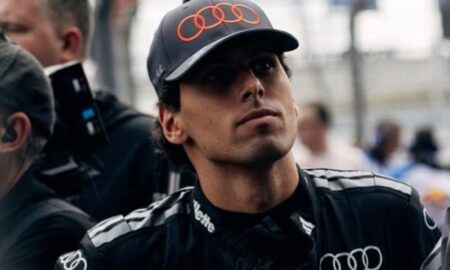
- The arrival of Audi as an official manufacturer of power units;
- The strategic return of Ford in a technical partnership with Red Bull;
- Renewed interest from other global automakers in electrification.
Schumacher argues that, if the category maintained the old regulations focused only on traditional combustion, it would inevitably lose the financial and technical support of these companies. The development of transferable technologies for street vehicles is what justifies billion-dollar investments before the boards of directors of car manufacturers, transforming the track into a high-speed laboratory.
Adaptation defines the great champions
Recent criticism from Max Verstappen, who classified the new cars as overly complex hybrids with excessive energy management, has been challenged from the perspective of professional driving. The analysis points out that the history of sport is made up of cycles of change and that the real winners are those capable of adapting to any equipment, instead of complaining about the current configurations.
While there are technical concerns about the need to change riding style on the straights to charge batteries or manage top speed, these points are seen as challenges to be overcome by engineers and drivers. The ability to get the most out of a car, regardless of its technical specifications, is what differentiates good drivers from sporting legends over the decades.
Responsibility for the image of sport
The debate raised also touches on the responsibility that prominent figures have for public perception and the market value of the championship. Comentários Negatives coming from a dominant champion can devalue the product among fans and investors, creating an unnecessary pessimistic narrative before the cars even hit the track for real testing.
The pragmatic view reinforces that resistance to change is a losing battle against technological advancement. Evolution, even if it requires adaptation, is the only way to maintain the category’s validity in the coming years, ensuring an environment conducive to innovation, sponsors and a new generation of fans interested in sustainability.