
Renewal of the Toyota Hiace brings cutting-edge technologies and a modern look to face luxury rivals By Luís Henrique Costa
6 min read
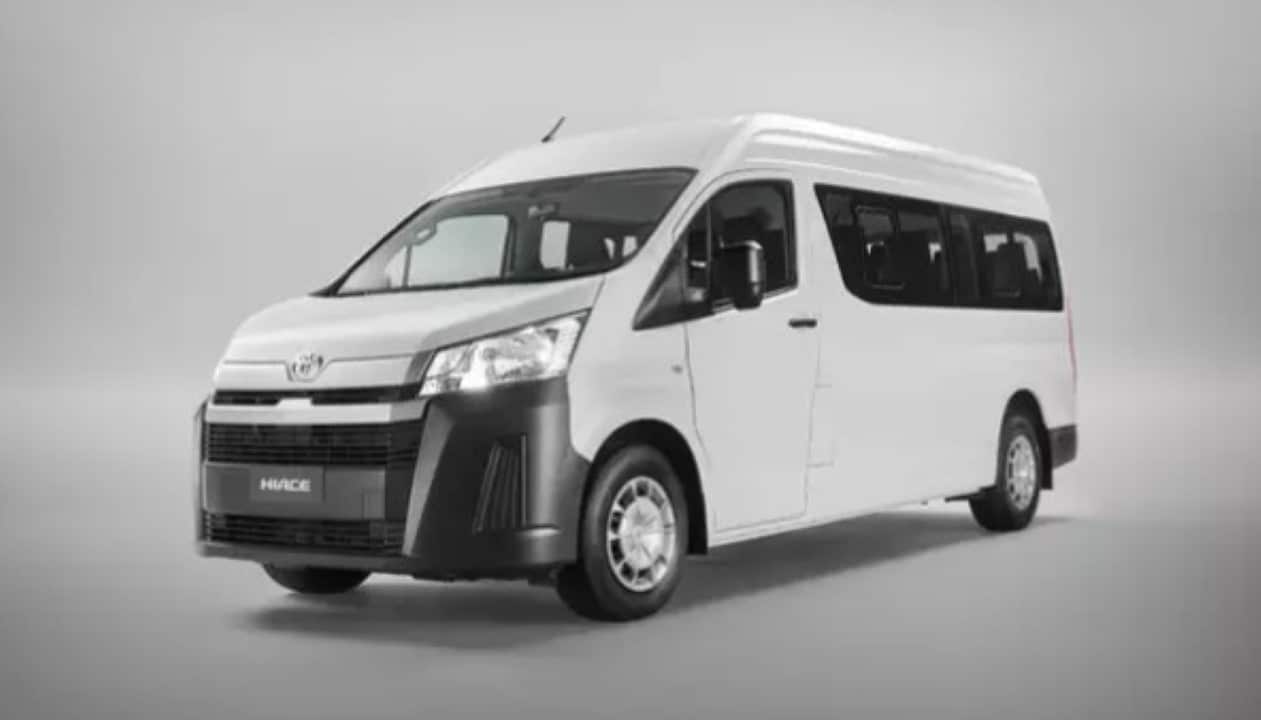 |
The Japanese automotive giant has officially confirmed the arrival of significant updates for one of its most iconic models in the commercial vehicle segment. The legendary van, which has dominated the roads and the logistics sector for decades, will receive strategic improvements focused on both active safety and exterior aesthetics. Sales are scheduled to begin in the Japanese market in February, marking a new chapter for the enduring Série 200.
Since its original launch in 2004, this particular model has established an unwavering reputation for durability and versatility, now celebrating 22 years on the market. The platform’s longevity is a testament to the brand’s robust engineering, but the loyal user base has eagerly awaited upgrades that align the vehicle with contemporary traffic and comfort demands. The manufacturer’s response came in the form of a package of improvements that promises to further extend the useful life of this utility vehicle.
The announced changes are not just cosmetic; they aim to resolve practical issues faced daily by professional drivers and transport companies. The introduction of new driving assistance systems reflects a growing concern about occupational safety in the logistics sector. With the update, the model is expected to offer a more stable and protected driving experience, reducing fatigue on long journeys and mitigating the risk of urban accidents.
The visual impact was also carefully planned to maintain the product’s relevance in an increasingly competitive market. The new design seeks to balance the functionality necessary for a work vehicle with a sophisticated appearance that also appeals to personal use. Essa duality is essential to maintain sales leadership, attracting both fleet managers and enthusiasts who use the van for leisure and customization.
Evolution of security and embedded technology
The priority in this renovation was, without a doubt, the improvement of security systems, responding to a long-standing clamor from owners and new traffic regulations. The integration of advanced driving support technologies transforms the driver’s working environment, offering features that were previously exclusive to high-end passenger vehicles. Strengthening the transport support system is seen as a strategic move to maintain the model’s competitiveness compared to more recent options.
Among the expected features, automatic braking and lane keeping assistants stand out, which are crucial for preventing collisions in dense urban environments and highways. The technological update is not just to comply with legal requirements, but to offer real peace of mind to those who spend their days behind the wheel. The brand thus reinforces its commitment to reducing accidents involving commercial vehicles.
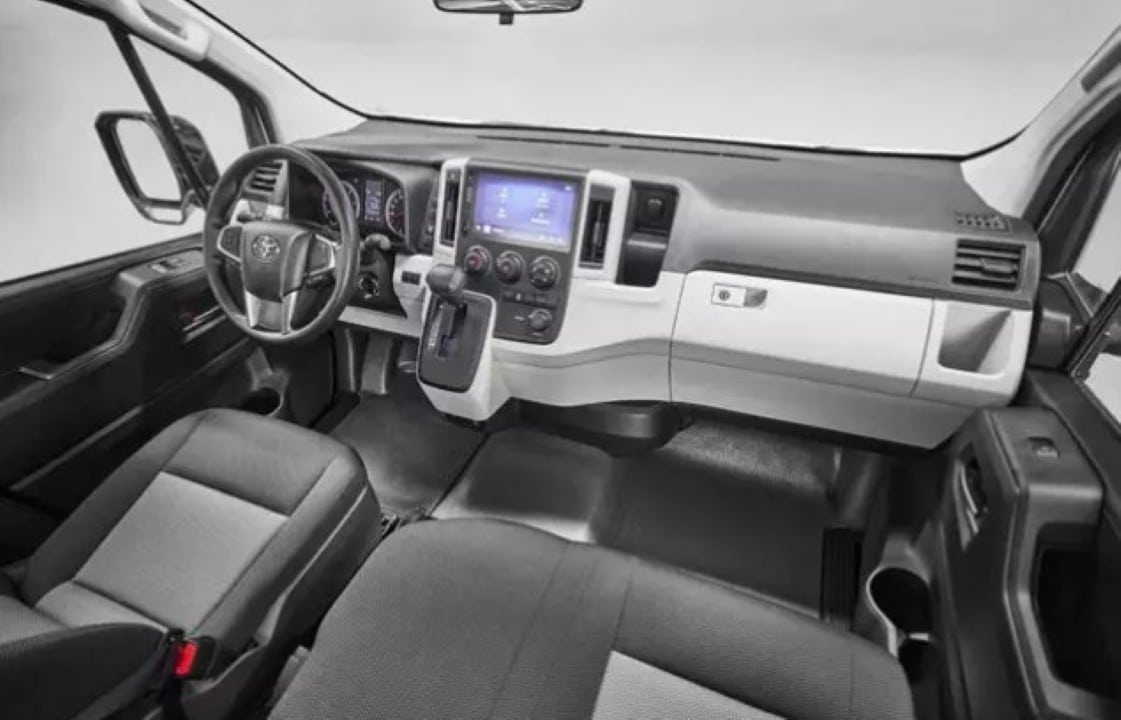
In addition to active safety, the electronic redesign of the vehicle allows for better integration with fleet management and connectivity systems. In a scenario where logistical efficiency is measured in detail, having a vehicle capable of offering accurate data and assisting the driver in making decisions is a market differentiator. The modernization of the cockpit also aims to improve ergonomics, facilitating access to controls and the visualization of vital vehicle information.
Comparison with the luxury segment
One of the most interesting points of this update is the model’s positioning in relation to luxury passenger vehicles, such as the renowned Alphard. Embora belong to different categories, the search for a more refined finish and improved aesthetics brings the commercial van closer to the quality standard demanded by consumers of premium minivans. Essa approach is not accidental; it reflects a market trend where the border between commercial use and executive transport is increasingly blurred.
The exterior design received touches that give it a more modern and robust identity, without losing the utilitarian essence that established the Série 200. The front grille and optical assemblies have been revised to convey a sense of sophistication and technology. Para many industry analysts, this “gourmetization” of the look is a direct response to the diversification of the use of the vehicle, which is often adapted for VIP transport or transformed into a luxury motorhome.
The strategy of raising visual and comfort standards allows the model to compete in niches that go beyond traditional cargo transport. By offering a robust yet refined alternative, the manufacturer captures a share of the market that seeks the durability of a commercial vehicle with the status of a top-of-the-line passenger car. The internal rivalry with the brand’s own more expensive models demonstrates the versatility and added value that the platform still manages to deliver after more than two decades.
Consumers, especially those who use their vehicle in a mixed way, celebrate the possibility of having a car that doesn’t look like a purely work tool. Aesthetic enhancement contributes to the image of companies that use the fleet, transmitting professionalism and modernity to their end customers.
Market reception and commercial expectations
The immediate reaction to the announcement was extremely positive on social media and specialized forums, where fans and potential buyers expressed enthusiasm about the changes. The user community, known for its loyalty and technical knowledge of the model, validated the improvements as necessary and welcome. The general feeling is that the manufacturer listened to the demands of the base, delivering exactly what was needed to maintain interest in the product.
Market analysts predict that sales, which were already maintaining a stable pace, should receive a new boost in the months following the launch. The combination of a reliable platform with modern technologies creates a value proposition that is difficult to ignore, both for corporate fleet renewal and individual acquisitions. Waiting lines and high demand at Japanese dealerships are expected as soon as orders are released.
The stability of resale value, a historical characteristic of this model, should be further reinforced with this update. Veículos commercial vehicles that offer complete security packages tend to suffer less depreciation, which is a decisive factor for financial managers when purchasing. The extended lifecycle of the Série 200 proves to be a case study in how timely, well-executed updates can keep a product relevant for generations.
Impact on professionals’ routine
For the professional driver, the changes represent a direct gain in quality of life and reduced stress. Daily driving in congested urban centers or on long intercity journeys requires a level of attention that new assistance systems help to preserve. Reducing the mental load behind the wheel results in a safer and more efficient operation, benefiting the entire logistics chain.
The interior comfort, improved by design and functionality revisions, transforms the cabin into a more pleasant mobile office. Pequenos details in the arrangement of instruments and the quality of finishing materials make a big difference for those who spend hours in the vehicle. The manufacturer thus demonstrates that it understands the importance of the operator’s well-being as a fundamental part of the vehicle’s performance.
Ultimately, the renewal of this automotive classic reaffirms the brand’s position as a leader in providing mobility solutions that are both robust and technologically advanced. The balance between the tradition of an established platform and the innovation required for the future ensures that this model will remain a common and indispensable sight on the streets and roads for many years to come.



