
Toyota renews HiAce with focus on advanced safety and premium design to lead commercial segment By Jeronimo Santos
4 min read
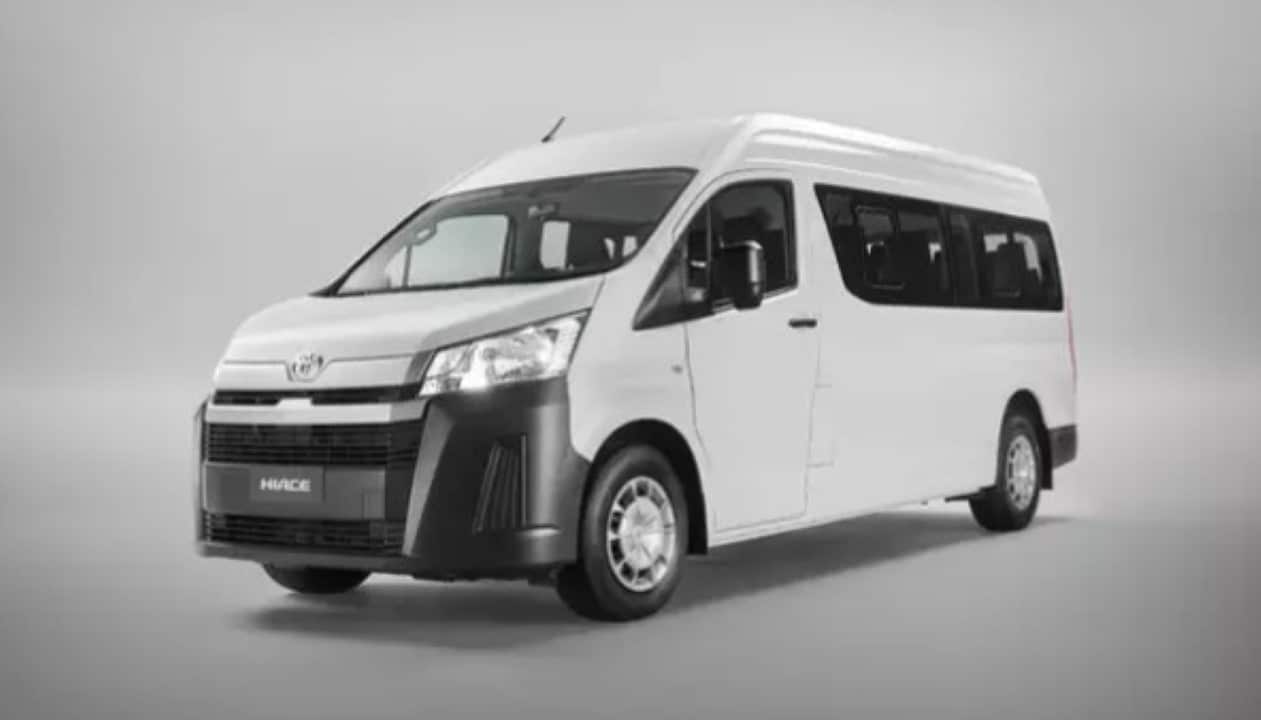 |
Toyota confirmed the launch of the new HiAce update for the Japanese market, scheduled to arrive at dealerships in February this year. The model, which is an absolute reference in the light commercial vehicle segment, received strategic modifications that aim to modernize its presence on the streets and increase occupant protection. The Japanese automaker chose to refine the renowned 200 series, maintaining the reliable mechanical base that won over businesspeople and fleet owners, but raising the level of onboard technology.
This renewal comes at a crucial time for the automotive industry, where demand for safer and more aesthetically pleasing work vehicles has grown exponentially. The brand’s strategy involves not only maintaining its market leadership, but also responding directly to requests from consumers who use the vehicle for both heavy logistics and executive passenger transport.
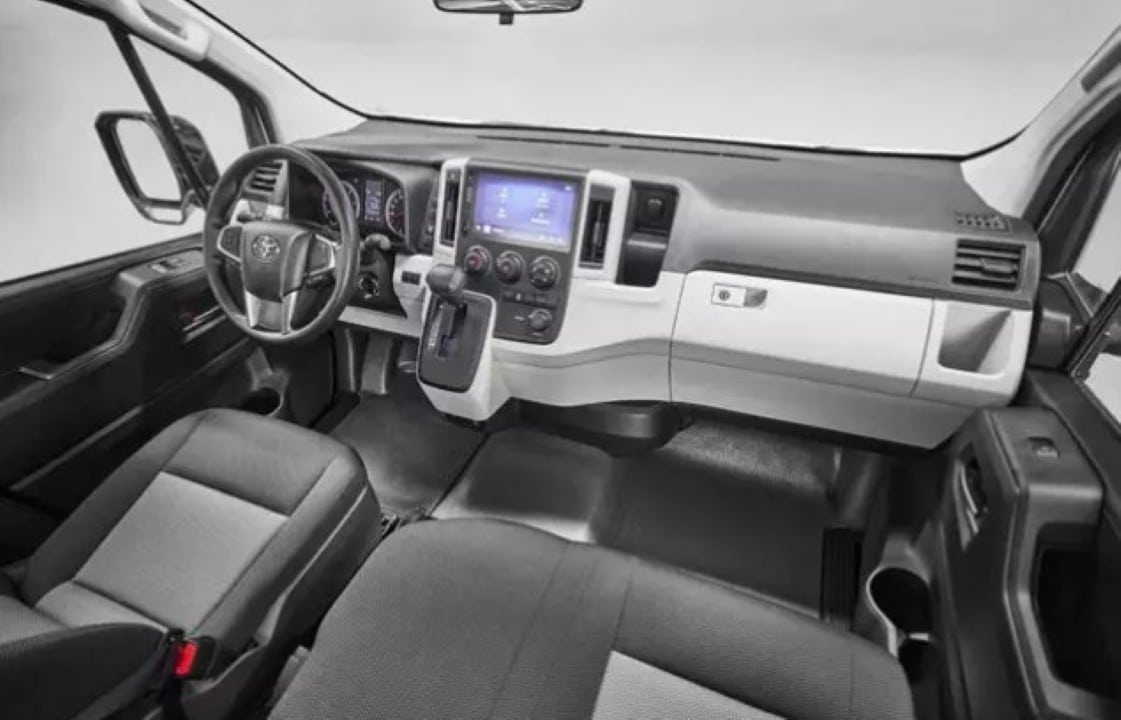
The changes implemented reflect an in-depth understanding of the daily needs of professional drivers. Além of its usual robustness, the utility vehicle now incorporates elements that were previously exclusive to higher categories, signaling a paradigm shift in the treatment given to service vehicles.
Aesthetic evolution brings utility closer to the brand’s luxury models
The visual aspect was one of the highlights of this update, with the Toyota design team working to give the van a more imposing identity. The front grille received a different treatment that directly refers to the visual language of the Alphard, the automaker’s luxury minivan, creating a perception of superior value at first glance. Essa aesthetic approach is not accidental, but rather a calculated maneuver to elevate the status of the commercial model.
Industry experts point out that this “premiumization” of external design serves a segment of the market that uses HiAce for shuttle services in hotels and airports, where visual presentation is fundamental. The sharper lines and revised finishes help to disguise the age of the original design, keeping it current and competitive against younger rivals.
The initial reaction on social media and specialized forums was extremely positive. The brand’s Entusiastas praised the Toyota’s ability to reinvent a classic without changing its character, highlighting that the changes to the front gave it a modern aggressiveness that previous versions lacked. The general perception is that the vehicle has gained a more authoritative road presence.
Reinforced security package meets the demands of modern transport
In terms of security, the update represents a significant leap for the category. Toyota has integrated the latest versions of its driving assistance systems, recognizing that road safety is a non-negotiable pillar for logistics companies in 2026. The package includes improvements to obstacle and pedestrian detection sensors, crucial for operating in dense urban environments.
The inclusion of driver support technologies aims to drastically reduce the rate of accidents involving commercial vehicles, which tend to have long journeys. Sistemas automatic emergency braking and lane departure warnings have been recalibrated to act with greater precision, ensuring that cargo and passengers reach their destination with integrity.
For fleet managers, these technological additions translate into lower operating costs in the long term. Reducing claims and reducing vehicle downtime for repairs are powerful selling points that the automaker is exploring in this new phase of the model.
Longevity of the 200 series proves robustness and public loyalty
The HiAce 200 series is a longevity phenomenon in the global automotive industry. Lançada originally in 2004, the platform has completed 22 years on the market demonstrating rare resilience. Instead of completely replacing the model with a new generation, the manufacturer chose to improve what already works, a decision that respects the vast availability of parts and the technical knowledge already established among mechanics and owners.
This strategy of constant updating rather than radical replacement has created a loyal fan base. Proprietários highlight the engine’s durability and ease of maintenance as decisive factors for repurchase. The new update comes to crown this trajectory, offering the best of both worlds: the mechanical reliability of two decades with today’s appearance and safety.
Impact on the logistics sector and sales expectations for the new cycle
The arrival of the model in stores in February should heat up the commercial vehicle market in the Japão. The expectation is that there will be a rush to dealerships, motivated both by the need to renew old fleets and by the desire to have new safety features. HiAce’s versatility allows it to be configured for countless applications, from ambulances to mobile workshops.
Market analysts predict that maintaining prices at a competitive level, combined with the improvements presented, will consolidate Toyota’s position at the top of the segment’s sales ranking. The competition will have to move quickly to offer similar technology and design packages if it is to compete for favor with corporate buyers this year.
The launch also serves as a barometer for global utility vehicle trends. The emphasis on active safety and refined design suggests that the days of spartan, basic work vehicles are behind us, giving way to machines that prioritize the well-being and protection of the human operator.



