Red Bull leader suspends simulator tests after criticizing power dynamics of new engines

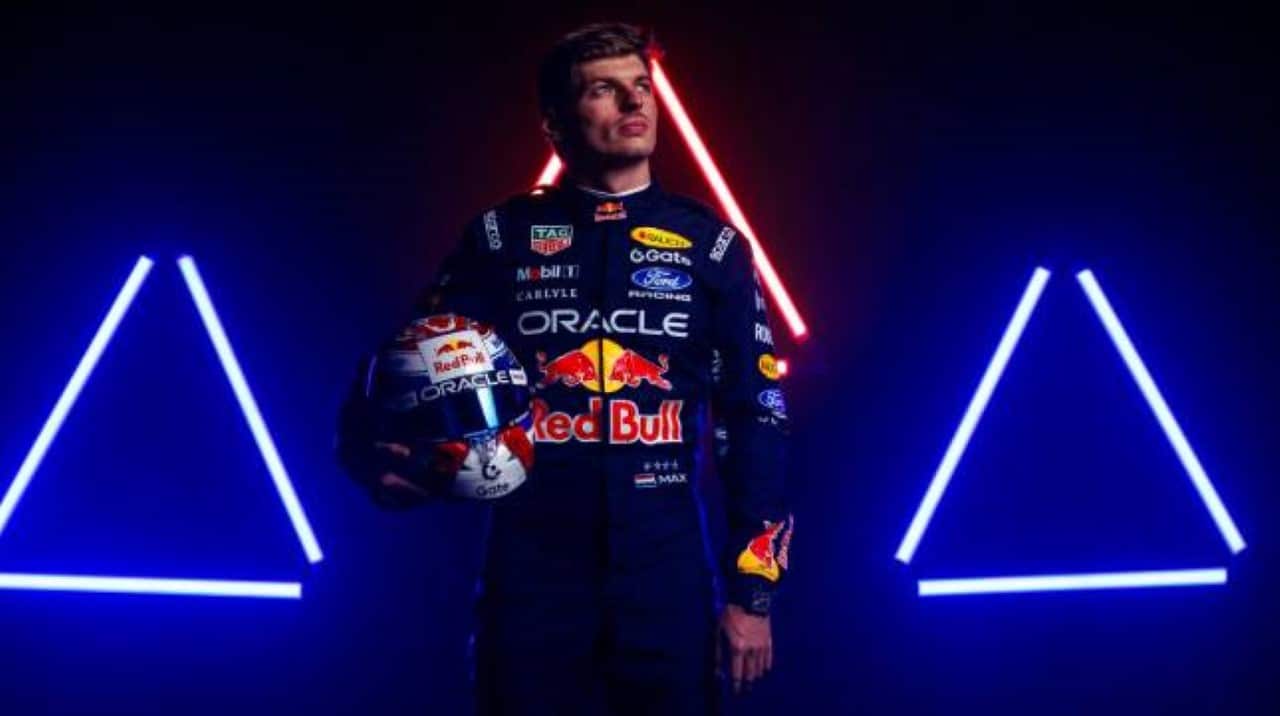
The main driver of team The refusal to continue the virtual testing program raised an alarm in the team about the competitive viability and quality of driving expected for the near future of the category.
The central criticism lies in the energy management required by the new propellants, which require piloting strategies considered counter-intuitive by elite competitors. Relatos indicate that, to maintain lap efficiency, the system forces the driver to downshift on straights to regenerate battery, a maneuver that contradicts the maximum speed nature of the sport.

This episode exposes the conflict between the category’s sustainability goals and the pure performance expected by athletes and fans. Red Bull engineering is now working to analyze the data collected before the interruption, looking for solutions that reconcile regulatory requirements with the aggressive handling characteristic of its winning cars.
Radical changes to the power unit
The technical regulations approved for the new Fórmula 1 cycle establish a profound transformation in engine architecture, aiming to attract new automakers and expand the technological relevance of street cars. The main change is the equal division of power: 50% of the power will come from the internal combustion engine (V6 Turbo) and the other 50% will be supplied by the electrical system.
To achieve this parity, the category eliminated the MGU-H (heat generating unit), a complex and costly component that recovered energy from exhaust gases. In contrast, the power of the electrical kinetic recovery system (MGU-K) was tripled, jumping to 350 kW. Essa new configuration drastically changes torque and throttle response, creating the scenario that generated discomfort in the simulation tests.
The introduction of 100% sustainable fuels completes the package of innovations, forcing engineers to redesign combustion chambers to maintain thermal efficiency. The technical challenge is immense, as teams need to compensate for the loss of raw power from the combustion engine with impeccable electrical management, without this making the cars excessively heavy or slow to restart.
Impact on riding and active aerodynamics
Vehicle dynamics will undergo significant changes to accommodate the new power units, requiring drivers to completely adapt their driving style. The need to aggressively regenerate energy during the lap can create situations where the car abruptly loses final speed if the battery runs out before the braking point, which some drivers have dubbed the “anchor effect”.
To mitigate the loss of performance on the straights due to aerodynamic drag, the new cars will feature advanced active aerodynamics systems. The front and rear wings will have movable settings that adjust automatically or on command, reducing air resistance in high-speed sections and increasing downforce in corners to ensure grip.
This added complexity in the cockpit worries competitors, who fear that Fórmula 1 will become an exercise in systems management rather than a contest of pure skill. Red Bull Powertrains, the Austrian team’s engine division, is at the center of this hurricane, trying to calibrate the software so that the transition between electrical power and combustion is imperceptible, avoiding the jerks and loss of rhythm reported in the simulator.
Involvement of large automakers
The design of these rules was essential to guarantee the permanence of current manufacturers and the entry of new automotive giants onto the grid. Audi, for example, confirmed its entry into the category precisely due to its focus on expanded electrification and synthetic fuels, aligning the sport with its market strategies for passenger vehicles.
The technical partnership between Red Bull and Ford is also a direct result of this new regulation. The North American giant returns to Fórmula 1 specifically focused on developing the electrical part of the power unit, bringing expertise in high-capacity batteries. However, the pressure is high for these partnerships to deliver immediate results, preventing top teams from falling into the middle of the pack due to reliability or performance failures.
Honda, which will continue to provide support until the transition is complete, and General Motors (through the brand Cadillac), which is seeking a place on the grid, are also closely monitoring developments in these initial tests. The commercial success of the category depends on a balanced spectacle, and the complaints coming from a world champion suggest that fine adjustments to the regulations may still be necessary before the cars hit the real asphalt.
The challenge of weight and dimensions
Another point of contention revealed by preliminary data is the total weight of the new single-seaters. Apesar of Federação Internacional of Automobilismo (FIA)’s intention to reduce the dimensions and mass of cars to make them more agile, the larger battery and reinforced safety systems make this goal more difficult. Carros heavier tires tend to be less reactive and demand more from the tires, changing the racing strategy.
The reduction in the width of the cars and the shortening of the wheelbase are attempts to compensate for this mass, seeking to regain agility on street circuits and winding routes. Engenheiros aerodynamicists work tirelessly to find the ideal balance, but the physical limitations imposed by current battery technology impose barriers that are difficult to overcome.
The current scenario is a race against time in the design and engineering departments. With negative feedback coming from test drivers and starters, teams are pressing regulators for adjustments that ensure the “new era” of Fórmula 1 does not compromise the DNA of speed and competition that underpins the sport’s global audience.
Perspectives for the pilot market
Uncertainty about the competitiveness of new cars is already moving the transfer market, with drivers looking for long-term performance guarantees. Contratos are being negotiated with performance clauses linked to the new rules, and the movement behind the scenes suggests that the grid’s hierarchy of forces could be completely reshuffled.
Experienced drivers assess whether it is worth continuing in the category during this transition phase, which historically brings reliability problems and disparity between teams. The ability to adapt will be the difference, and those with greater technical sensitivity to the development of the car will have an advantage over speed purists.
While Red Bull tries to resolve the issues raised by its leader in the simulator, the rest of the grid watches carefully. If the dominant team of the last decade is encountering fundamental difficulties with the new concept, it is likely that the challenge is systemic, requiring unprecedented collaboration between teams, manufacturers and the federation to avoid a technical fiasco at the debut of the new models.