
Repercussions of El Mencho’s death lead to the suspension of classes and a wave of attacks in Mexico

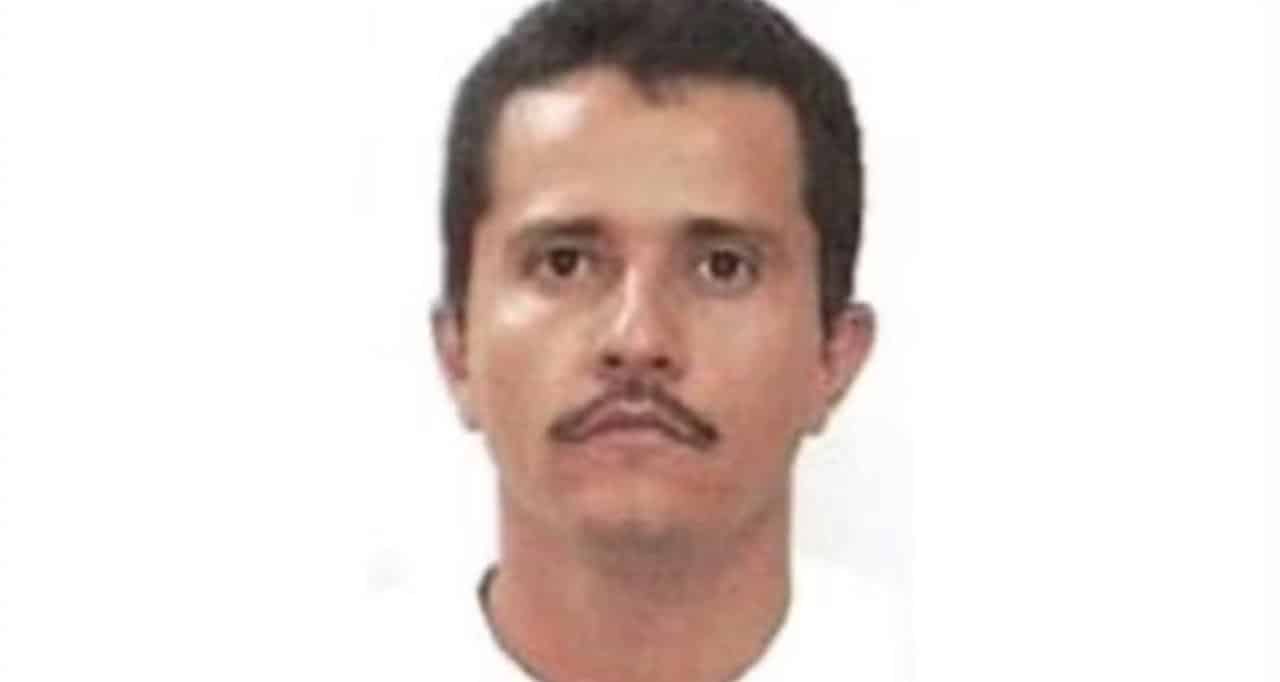
The death of Nemesio Rubén Oseguera Cervantes, widely known as El Mencho, identified as one of the most prominent leaders of the México cartels, generated an immediate and intense wave of violence in several regions of the country. The criminal’s death, which occurred on Monday, February 22, 2026, precipitated a series of disturbances that affected public security and the routine of millions of citizens, especially in the state of Jalisco.
Mexican authorities were quickly mobilized to deal with the insecurity scenario, which included vehicle fires, roadblocks and looting of establishments. The alarming situation led to the suspension of essential activities and a significant reinforcement of the military and police presence in strategic points, seeking to contain the escalation of clashes.
The impact of the operation that resulted in the death of El Mencho transcended state borders, with repercussions perceived in at least twelve other federative units. The population was advised to avoid unnecessary displacement, while the government intensified efforts to restore normality and guarantee the protection of civilians against criminal retaliation.
Violence spreads after death of criminal leader
After the death of El Mencho was confirmed, an unprecedented wave of violence spread across Jalisco and other adjacent regions. Relatos indicate that buses and cars were set on fire, highways were blocked and commercial establishments were the target of widespread looting. Polícia Federal and state forces acted in a coordinated manner to try to control the outbreaks of conflict, although the scale of the incidents represented a considerable challenge to the authorities’ immediate response capacity.
The clashes and subsequent unrest resulted in the arrest of at least 25 people, according to a report released by local press outlets, citing government sources. Entre of those detained, 11 were captured on suspicion of involvement in direct violent acts, while another 14 were arrested for participating in looting. Esses numbers highlight the rapid deterioration of security and the complexity of the situation faced by Mexican security forces in the hours following the main incident.
Jalisco to: classes suspended and transport suspended
The epicenter of the crisis, the state of Jalisco, experienced an almost complete shutdown of activities. The region’s Secretaria of Educação decreed the immediate suspension of all classes in public and private schools, ranging from elementary to higher education. The measure, taken to “ensure the well-being of students and teachers”, left a vacuum in the educational routine, with no clear forecast for the return to activities, awaiting a new official statement.
Public transport in Jalisco was drastically affected, with services suspended on the day of El Mencho’s death, on Monday. The expectation was for a gradual reactivation the following day, but persistent insecurity continued to impose significant obstacles to population mobility. Muitos workers and students were unable to travel, generating a direct impact on the local economy and daily life.
Entire families were forced to stay in their homes, businesses closed their doors and street commerce was interrupted, resulting in considerable financial losses for businesspeople and the self-employed. The shutdown of urban life, although necessary for security, imposed a high social and economic cost on the inhabitants of Jalisco, who found themselves hostage to the violence unleashed after the operation.
Wave of disturbances hits twelve Mexican states
The instability was not restricted to Jalisco, spreading to a total of twelve other Mexican states, where classes were partially or completely suspended. Entre affected regions were Oaxaca, Colima, Veracruz, Puebla, Baja California. The geographic scope of the disturbances highlighted the capillarity of criminal influence and the rapid capacity for retaliation at the national level, challenging the security structure of a vast and complex country.
The fury of criminals and the wave of looting hit the retail and banking sector hard. At least 69 stores belonging to the Oxxo chain, a popular convenience store chain, were vandalized and looted. Além In addition, 18 units of Banco del Bienestar, a state-owned bank, were preventively closed to ensure the safety of employees and customers, interrupting essential financial services for underserved communities.
The escalation of violence required a robust federal response, with the armed forces and Guarda Nacional being called in to support the state police. Barreiras were set up on highways and aerial patrols were intensified, in an attempt to dismantle criminal groups and reestablish territorial control. The complexity of the situation, however, required large-scale coordination and strategies adapted to each region.
The México government, through its spokespeople, reiterated its commitment not to give in to pressure from criminals and to guarantee the safety of the population. The forceful response to retaliatory actions aims to send a clear message about Estado’s determination to combat organized crime, even in the face of a scenario of high tension and widespread threats.
Stranded tourists and diplomatic alerts
The wave of violence directly impacted the tourism sector, one of the main sources of income for some regions of the México. Muitos tourists, the majority from Estados Unidos, were prevented from leaving the country due to roadblocks and flight cancellations. The situation generated concern among visitors, who found themselves isolated in their accommodation, without access to transport or clear information about the return to normality.
Embaixada of Estados Unidos in México issued an urgent statement, asking its citizens to remain in safe locations and maintain contact with family and friends. Although no airport has been officially closed, the interruption of air operations due to the blockade of access to Guadalajara and Puerto Vallarta resulted in the cancellation of the majority of domestic and international flights, affecting thousands of passengers and generating a strong impact on the country’s tourist image.
Intensified public security actions
In response to the escalation of violence, Mexican security forces implemented a series of strict measures to contain the unrest and restore public order. Coordination between federal and state levels was crucial, with the mobilization of additional personnel from Guarda Nacional and Exército in areas considered high risk. The main objective of the operations was to quickly dismantle the groups responsible for retaliatory acts and protect critical infrastructure and the civilian population. Authorities also established checkpoints on strategic roads and intensified urban and rural patrols, using surveillance technology to monitor suspicious movements and identify potential threats. Essas actions aim at a quick and effective response against any new attempt at destabilization by criminal organizations, demonstrating the government’s determination to maintain the authority of Estado.
Public security became the federal government’s top priority, which promised not to back down in the face of the criminal offensive. The strategy involves not only immediate containment, but also in-depth investigations to identify those who ordered and carried out the acts of violence. The population was advised to collaborate with the authorities, reporting any suspicious activity, reinforcing the idea that pacification depends on a joint effort between government and society. Constant monitoring of the situation and the ability of security forces to adapt are seen as essential to stabilize affected areas and prevent future escalations.
Damage to commerce and essential services
The interruption of commercial and banking activities, combined with roadblocks, generated a scenario of great damage to the local and regional economy. Além of looting and vandalism, transportation shutdowns, and widespread insecurity have directly affected the supply chain and the ability to operate of small and medium-sized businesses, which are the backbone of many communities in México. The lack of access to inputs and the interruption of sales caused significant financial losses, with many traders fearing for the long-term viability of their businesses.
Essential services have also suffered discontinuity in some areas, from garbage collection to the delivery of basic supplies. The population faced difficulties in accessing consumer goods, and uncertainty about the near future permeated daily life. The economic recovery of the affected regions will depend not only on the restoration of security, but also on support and incentive policies so that companies can get back on their feet and normality is reestablished.
The legacy of cartels in the region
The death of a cartel leader like El Mencho, although it represents a blow to the criminal structure, does not mean the automatic end of violence or the influence of organized crime in México. The country’s recent history is marked by a continuous cycle of rise and fall of prominent figures, with the fragmentation of groups and the emergence of new leaders often resulting in even bloodier territorial disputes. The complexity of the phenomenon of drug trafficking and criminal organizations is deeply intertwined with social, economic and political issues, creating a web of challenges that requires multifaceted and long-term responses. The presence of cartels impacts everything from street security to the governability of certain regions, infiltrating different spheres and challenging the sovereignty of the Estado on multiple fronts. Este scenario demonstrates the resilience and adaptability of these criminal networks, which manage to recover and evolve even in the face of significant setbacks, perpetuating a cycle of violence and instability.
Reconstruction and surveillance scenario
As México tries to overcome the tense days, the focus turns to rebuilding normality and maintaining constant vigilance. The authorities remain on high alert, aware that pacification is a complex and continuous process, requiring integrated efforts to guarantee the safety of the population and the recovery of economic and social activities. Cooperation between different levels of government and citizen participation will be fundamental to consolidating peace and development in the affected regions.



