

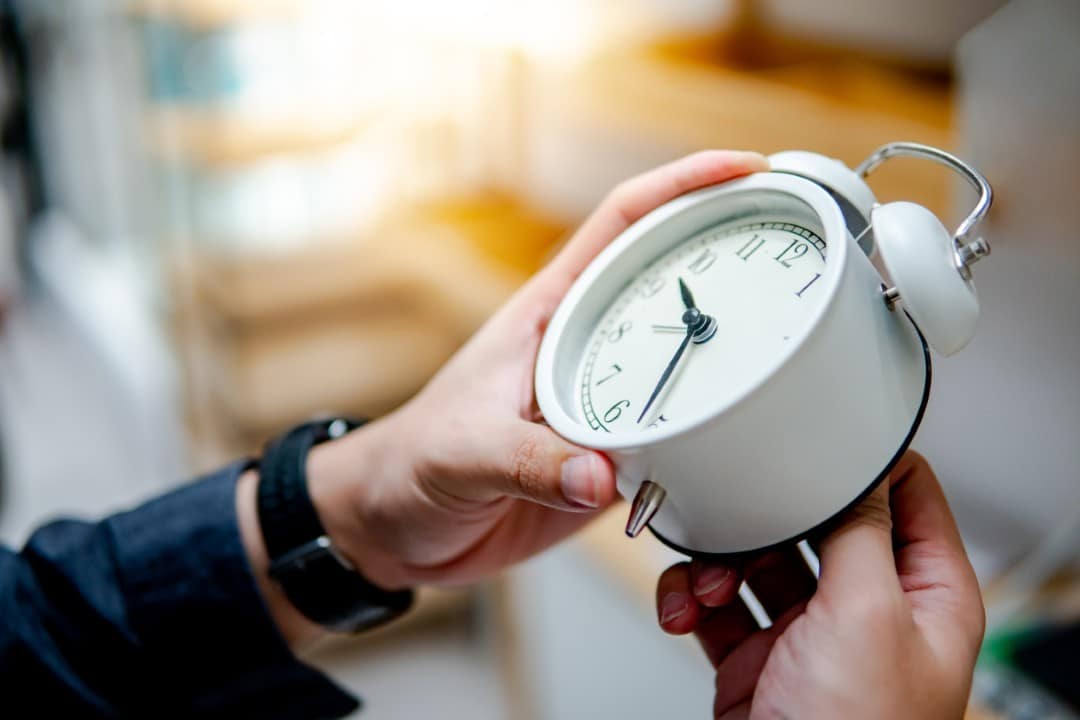
The approach of spring in 2026 brings with it the traditional change to daylight saving time for much of Canadá, an event that requires clocks to be set forward and, consequently, the loss of an hour of sleep for many. Esta transition, which occurs annually, aims to make better use of natural light in the warmer months, although its benefits and impacts continue to be the subject of broad debate. Será It is essential that citizens are prepared to modify their habits and daily routines as the date approaches.
The days, which have already become noticeably longer after the dark and gray winter months, serve as a reminder that the adjustment of the hands is imminent. Essa change, although familiar to the population, still generates discussions about its real effectiveness and the effects it causes on health and general well-being, especially in terms of disruption of the circadian rhythm.
It is important to note that not all regions of the country and not even all areas of the province of Quebec will follow this same guideline. Diversas locations maintain a fixed schedule, opting out of seasonal changes, which adds a layer of complexity to the coordination of schedules at the national and provincial level.
When the clocks will be set forward in spring
The official change to daylight saving time in 2026 in Quebec and most regions that adhere to the system will occur in the early hours of Saturday, March 7th, to Sunday, March 8th. Especificamente, at 2 am, the clocks must be advanced by one hour, resulting in a direct passage to 3 am.
With this change, the province will return to Horário of Verão of Leste, which corresponds to a four-hour delay in relation to Tempo Universal Coordenado (UTC-4). Este movement marks the beginning of a period of longer days in the late afternoon, providing more time of daylight after work or studies for millions of people.
Canadian regions with their own calendars
Despite majority adherence, the province of Essa flexibility reflects the geographic and cultural diversity of the region, adapting the rules to local needs and the particularities of their communities.
The region of Baixa Costa Norte, for example, operates uninterruptedly in Horário of Verão of Leste (UTC-4) throughout the year, which is also equivalent to Horário Padrão of Atlântico. Isso means that its inhabitants do not need to adjust their clocks, maintaining a consistency that facilitates routine in an area with unique characteristics. Além In addition, Ilhas of Madalena and Listuguj, located at Península of
Learn more: Spring Equilux kicks off longer days with equinox on March 20th and clock forward on 29th
The debate over maintaining daylight saving time
The history of daylight saving time reveals that its adoption was mainly motivated by the search for energy savings, especially during periods of war and crises, when the rationalization of resources was crucial to national efforts. The idea was simple: by setting the clocks forward, people would start and end their days with more natural light, reducing the need for artificial lighting in homes and businesses, optimizing electricity consumption and contributing to national efforts.
However, over the years, several studies and surveys have questioned the real effectiveness of this measure in saving energy, with many arguing that the current impact is marginal or even non-existent, considering modern electricity consumption patterns and the wide range of electronic devices in use. Além In addition, the discussion expanded to include public health effects, raising concerns about the disruption of the circadian cycle, potential sleep disturbances, and the increase in accidents and health problems in the days following the changes.
Featured provincial decisions
The discussion about the merits and demerits of daylight saving time is not exclusive to Quebec; it resonates throughout Canadá, leading some provinces to make the decision to no longer participate in the ritual of adjusting the clocks. Essa trend reflects a growing recognition of the negative impacts on health and productivity, as well as the realization that the original economic benefits may no longer be as relevant in contemporary society.
Yukon, for example, chose to abolish the time change in 2020, permanently adopting daylight saving time. The decision was taken after public consultations that revealed strong public support for time stability, prioritizing the health and well-being of residents over the old practice of seasonal clock changes, in line with a global movement of reconsideration.
Saskatchewan is another province that has long remained outside of daylight saving time, operating on Central Standard Time year-round. Essa choice has been a distinctive feature of the province and demonstrates a pragmatic approach to avoiding the disruptions associated with change, consolidating a more stable routine for its citizens and local economic activities.
More on this story: Early spring increases pollen concentration and warns residents about the risk of allergies
Preparation for autumn tuning
After transitioning to Daylight Savings Time in the spring, a new change awaits Canadians next fall in 2026, when clocks will be set back to return to standard time. Essa change will occur on the cold night of Halloween, between October 31st and November 1st, 2026.
At around 2am, clocks will be set back one hour, providing individuals with an extra hour of sleep and marking the return to Horário Padrão from Leste (UTC-5). Este adjustment is often perceived more positively, due to the “gain” of an hour, in contrast to the loss felt in the spring, which tends to generate less disruption in adaptation.
Effects on health and daily behavior
Changing the time, whether in spring or autumn, can disrupt people’s internal biological clock, the so-called circadian rhythm. Essa dysregulation is associated with a series of adverse effects, ranging from difficulty falling asleep and waking up to changes in mood and concentration, directly influencing quality of life.
On the same topic: Spring reveals celestial spectacles with galaxies visible to astronomers in the northern hemisphere
Studies indicate that sleep deprivation, even for just an hour, as occurs in the spring, can have significant ramifications. Isso includes an increase in the incidence of heart problems, traffic accidents and a drop in productivity during the initial week after the move, which demonstrates the importance of a conscious and planned adaptation.
Mental health can also be affected, with reports of greater irritability and, in some cases, worsening of anxiety and depression in individuals more sensitive to routine changes. Natural light plays a crucial role in regulating mood and the sleep-wake cycle, and the way daylight saving time manipulates this exposure can be challenging for psychic balance.
Given these potential impacts, awareness and the adoption of proactive strategies to adapt to time changes become essential. It is essential that people look for ways to minimize negative effects and maintain a balance in their daily routine, ensuring that the body and mind adjust as smoothly as possible to each seasonal transition.
Tips for a smoother adaptation
Adapting to time changes, although challenging, can be made easier by adopting some simple and effective practices that help resynchronize the biological clock. The main objective is to help the body transition between schedules without major disruptions, minimizing sleep loss and impacts on general well-being, promoting a more harmonious transition.
To make this transition easier, consider the following tips:
- Maintain the daily routine: Procure do not change your usual meal times and, especially, sleep times. Consistência is key for your body to adjust. Tentar Sticking to these routines helps anchor your circadian rhythm, even when your external clock changes, ensuring better internal stability.
- Take advantage of natural light: Exponha go into sunlight first thing in the morning. Natural light is one of the most powerful regulators of the internal biological clock, signaling to the body that it is time to be alert and starting the production of important hormones for awakening. Caminhadas morning drinks or simply opening the curtains can make a big difference.
- Consider light therapy: In cases where adaptation is more difficult, especially in places with less natural light, artificial light therapy may be beneficial. The ideal is to use it for 30 to 60 minutes a day, preferably in the first few hours after waking up, to help resynchronize the sleep-wake cycle more efficiently and combat symptoms of discouragement.
- Optimize sleep quality: Reduza the consumption of alcohol and caffeine, especially at night, and make sure to exercise regularly, preferably during the day, avoiding intense activities close to bedtime. A dark, quiet and cool sleeping environment also contributes significantly to restful rest and better adaptation to time changes.
Economic aspects of time change
Historically, one of the main arguments for maintaining daylight saving time was saving electricity, especially in industrial and commercial sectors that would benefit from natural light for longer. Contudo, with the evolution of lighting technology and the increase in energy consumption on other fronts, such as refrigeration and electronics, the positive economic impact has been increasingly questioned, with some studies suggesting that the costs may outweigh the benefits in several regions.
More on this story: New options: 20 fresh recipes to renew your April menu
Other economic aspects include workforce productivity. Há evidence that losing an hour of sleep in the spring can lead to a reduction in productivity and an increase in errors and accidents in the workplace during the first few days post-move. Essa drop in efficiency can generate indirect costs for companies and the economy as a whole, impacting sectors that depend on high concentration and precision.
Future perspectives in the Canadian scenario
The tendency to revisit or abolish daylight saving time is a growing reality, not just in Canadá, but in various parts of the world. The experience of provinces like Yukon and Saskatchewan, which opted to remain on a fixed schedule, offers important precedents and fuels debate in other regions. As more studies emerge evaluating the true costs and benefits of the practice, it is likely that the discussion will continue and that more changes will be considered in the Canadian landscape.