
Early spring increases pollen concentration and warns residents about the risk of allergies
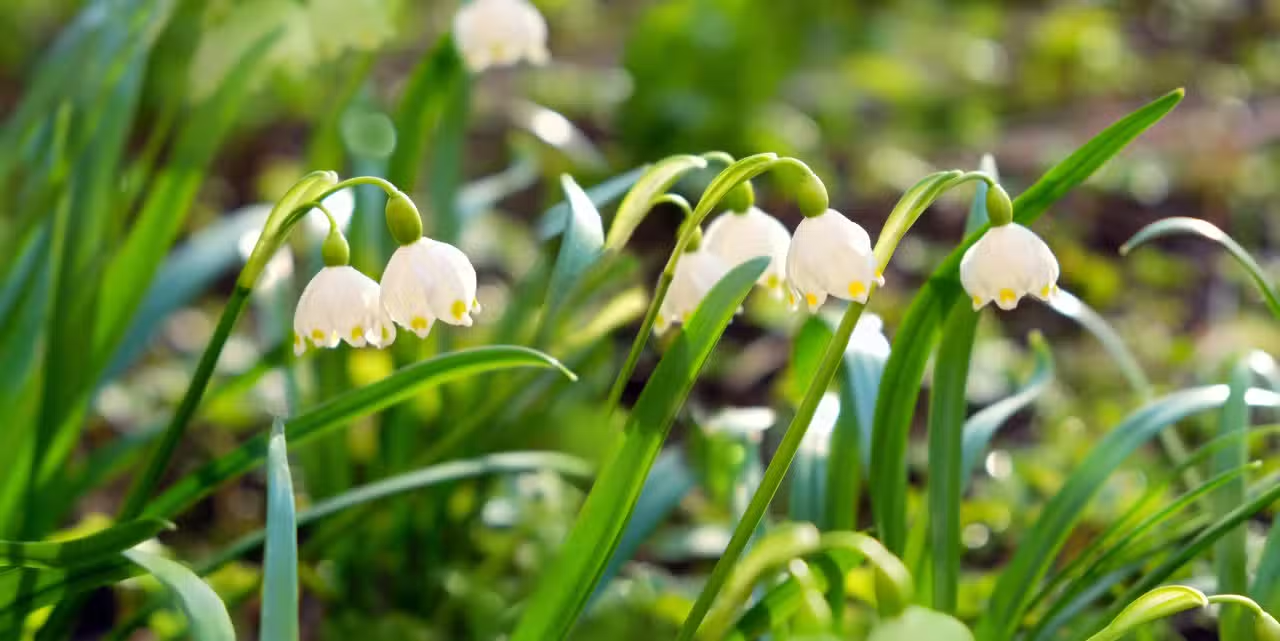
The arrival of spring this Friday marks the rebirth of flora and the change in the natural landscape in several regions, bringing vibrant colors and the end of the plant dormancy period. However, the phenomenon also signals the beginning of a challenging period for millions of people who suffer from seasonal allergies due to the intense dispersion of particles.
The increase in temperatures and the absence of frost favor the release of large quantities of pollen, which covers surfaces and remains suspended in the atmosphere for long periods. Esse scenario is particularly visible in areas with dense vegetation, where the characteristic yellow dust becomes omnipresent on vehicles, urban furniture and homes.
- Increase in grain density per cubic meter of air.
- Extension of the plant growth period.
- Greater exposure to allergens in urban and rural areas.
For sensitized individuals, inhaling these microscopic particles triggers immediate reactions in the immune system, resulting in classic symptoms such as runny nose, itchy eyes and respiratory discomfort. The intensity of the reactions is directly linked to the concentration of grains present in the environment at the time of exposure.
How daily particle counting works
The metric used to measure air quality in relation to allergens is based on the quantity of pollen grains per cubic meter of air collected over a 24-hour period. Esses data is essential for monitoring groups and meteorological services to issue accurate alerts to the vulnerable population.
There are technical differences between actual counts, based on data observed by monitoring agencies, and allergy predictions, which use complex mathematical models. Forecasts cross historical data from previous years with current climate variables, such as temperature and humidity, to estimate future risk.
Global warming extends allergy season
Recent scientific reports indicate that the frost-free period is becoming significantly longer in most cities monitored in recent decades. Entre 1970 and 2025, the interval between the last frost of winter and the first frost of the following autumn has grown, on average, by about three weeks.
This change in weather patterns allows plants to grow longer and release pollinators continuously and more intensely. The phenomenon not only anticipates the onset of allergic symptoms, but also extends the suffering of those with chronic respiratory sensitivity.
In specific regions, such as the Southeast, the gain in days without freezing temperatures reached almost twenty days, creating a much wider pollination window. Especialistas point out that the trend is global and affects public health by increasing the incidence of asthma and rhinitis attacks.



The impact on quality of life is measurable, as longer seasons require greater use of medications and avoidance of outdoor activities. The daily health of millions of Americans is directly affected by plants’ ability to reproduce in increasingly warm environments.
Real-time monitoring and alert levels
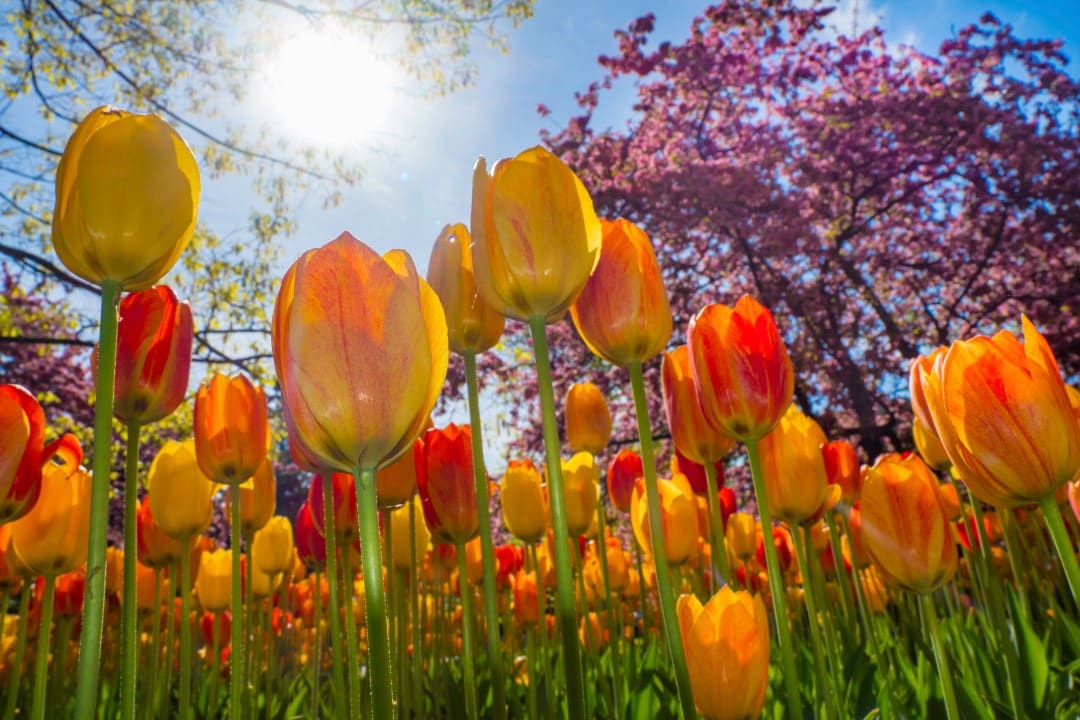
Monitoring pollen levels can be done through specialized digital platforms that categorize risks at levels ranging from non-existent to very high. Last Thursday, measurements showed concentrations of 234 grains per cubic meter in large urban areas, reaching critical levels for certain species.
It is important to distinguish the types of pollen, as trees and grasses are usually the main causes of crises during the spring, while other herbs predominate in the autumn. Atualmente, monitoring indicates that tree pollen is at its peak of atmospheric dispersion.
Fluctuations predicted for the next few days
Projections indicate that, although pollination levels fluctuate, the tendency for the coming days is for them to remain at high levels. Espera It is expected that after a short period of decline, the indices will rise sharply again in the middle of next week.
These variations depend directly on factors such as the occurrence of rain, which can temporarily “wash” the air, or strong winds, which spread particles. Constant monitoring of 15-day forecasts helps in planning external activities and preventing acute crises.
Guidelines for reducing exposure
The main recommendation for minimizing the effects of seasonal allergies is to monitor peak pollination times, which generally occur in the early morning. Manter Closing windows and using air filtration systems are effective measures to reduce the entry of particles into the home environment.
After outdoor activities, changing clothes and showering immediately helps remove grains that are stuck to the skin and fabrics. Essas simple actions, combined with specialized medical support, guarantee a more balanced coexistence with the natural changes brought by the season.
Veja Tambem em News (EN)

Research reveals that parents are unaware of how their children use artificial intelligence

Samsung releases new system update with new features for Galaxy Watch 4 users

Digital retail reduces the value of the Galaxy S25 5G smartphone with bank bonuses and device exchange

Amazon’s wireless CarPlay adapter has a 50% discount and high approval ratings from drivers

Zach Cregger’s new Resident Evil ignores games and focuses on an unprecedented story with new characters

Rumor suggests that Nintendo is preparing a special edition of the Switch 2 with a remake of Ocarina of Time

Apple accelerates production of the iPhone 17e and develops new Air model with dual camera system

Epic Games platform releases twelve high-budget games at no permanent cost for PC users

PlayStation 5 Pro price drop accelerates digital retail sales and eliminates global stocks

New Galaxy Watch 9 firmware appears on server and confirms progress in software development

Apple’s commemorative project tests cell phone with 1.1 millimeter edge and curved screen for 2027
