
Toyota updates HiAce line with a focus on advanced safety and a look inspired by luxury models By Luís Henrique Costa
5 min read
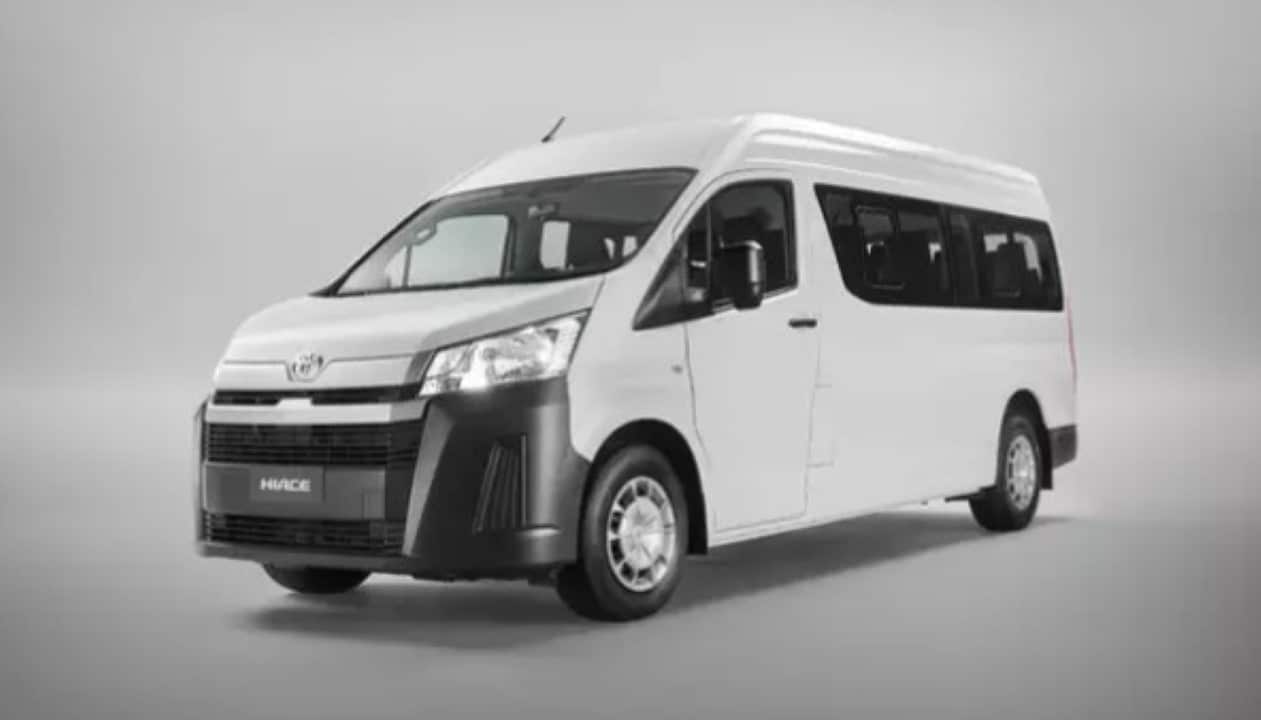 |
Toyota has confirmed the launch of a significant update for one of its most iconic vehicles in its global portfolio, the HiAce, reaffirming its commitment to the commercial and passenger transport segment. Programada to reach Japanese dealerships in February, this new iteration of the model seeks to balance the already known mechanical robustness with essential technological innovations. The Japanese automaker decided to intervene deeply in the utility’s safety systems and frontal aesthetics, responding directly to demands for safer and more visually impressive work vehicles.
Although the mechanical basis remains in the renowned 200 series, which has been on the roads for more than two decades, the manufacturer’s strategy involves tactical modernization to maintain the product’s relevance. The decision to extend the useful life of this platform, rather than completely replacing it with a new architecture at this time, demonstrates confidence in the durability of the current chassis. The focus is on updating the points of contact with the user and the traffic environment, ensuring that the vehicle meets rigorous contemporary standards for protecting occupants and pedestrians.
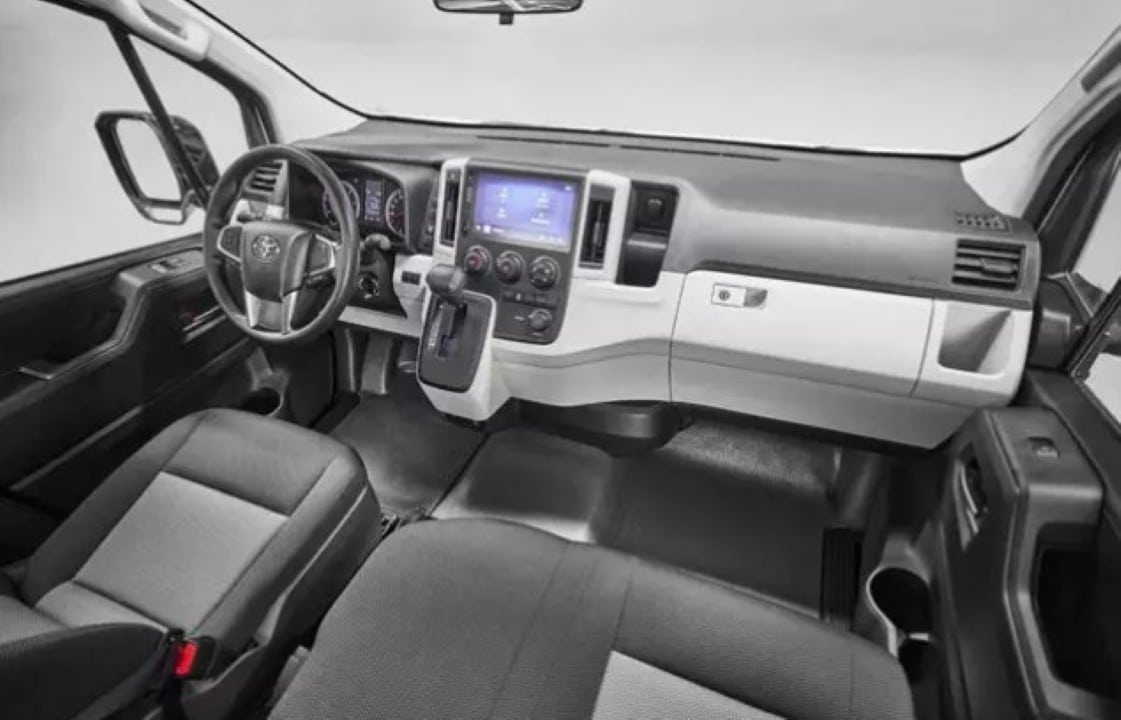
The Asian automotive market, especially the urban logistics sector, has been eagerly awaiting this move, as the HiAce plays a key role in the region’s transport infrastructure. The model’s longevity is a rare case in modern industry, where product cycles are often short, but the practical utility of the “cab-over” design remains unsurpassed for the narrow streets of Japanese metropolises. Esta renewal serves to extend the utility’s commercial viability compared to competitors who are also seeking to modernize their fleets.
Industry experts point out that the update is not just cosmetic, but a necessary response to new traffic regulations and corporate demands for safer fleets. The introduction of electronic driving assistants in work vehicles is no longer a luxury but has become an operational requirement, aiming to reduce accidents and, consequently, the operational costs of companies that depend on these vehicles on a daily basis.
Aesthetic modernization and inspiration from luxury vehicles
One of the most discussed points about this new version is the redesign of the exterior design, which adopts a much more aggressive and sophisticated visual language. The front grille received a treatment that directly references the brand’s luxury models, such as the Alphard minivan, creating a more premium visual identity even for a commercial vehicle. Esta aesthetic approach suggests an intention by
The new front end, with more vertical lines and refined finishes, gives the utility vehicle a more striking road presence. The design change serves two distinct purposes: updating the appearance of a model that might otherwise appear dated, and aligning the vehicle with the automaker’s current corporate identity. By adopting visual elements from its more expensive passenger cars, the manufacturer is able to differentiate its product in a segment that traditionally prioritizes function over form.
For the customization market, which is extremely strong in the Japão, this new “face” of the HiAce offers an even more attractive basis. Proprietários Private individuals and luxury tour companies frequently modify these vehicles, and the new factory aesthetic makes it easy to create unique designs. The perception that a work vehicle can also be elegant is a growing trend, and Toyota appears to capitalize on this by offering a product that does not clash in high-end corporate environments.
Security package and compliance with new standards
In addition to the visual changes, the most critical technical update lies in the implementation of new active safety systems. The Toyota has integrated advanced features into the driver assistance package, recognizing that high-mileage, heavy-use vehicles require extra layers of protection. Collision mitigation, pedestrian and cyclist detection, and braking support systems for parking maneuvers have been improved to reduce the incidence of common urban accidents.
Updating sensors and control software allows the vehicle to react more quickly and accurately to situations of imminent danger. Para logistics companies, this translates into greater fleet availability and lower repair and insurance expenses. Workplace safety is a central theme in the management of modern fleets, and the vehicle’s ability to intervene autonomously to avoid a crash is an important competitive differentiator when renewing assets.
Installing these systems on an older platform required careful engineering, but the end result puts the HiAce on par with much newer passenger vehicles in terms of preventive safety technology. Lane departure warning and adaptive cruise control, depending on the version, transform the driving experience on long journeys, reducing driver fatigue, which is one of the main risk factors in commercial transport.
Platform maintenance and market relevance
The decision to maintain the 200 series, instead of migrating to the 300 series (already available in other international markets), reflects the geographic and operational specificities of the Japão. The engine-under-cab design maximizes cargo space relative to the vehicle’s overall length, an indispensable feature for maneuvering in dense urban centers and limited loading and unloading areas. The familiarity of the mechanics and the wide availability of spare parts also weigh in favor of the continuity of this model.
The competition, represented mainly by Nissan Caravan, has also invested in technological updates, which forces Toyota not to settle for leadership. The competition for the commercial van segment is fierce, and any technological lag could result in a loss of market share. With this update, Toyota signals that it intends to defend its dominant position, offering a product that combines mechanical reliability proven over millions of kilometers with the modernity demanded by today’s fleet managers.
The used vehicle market should also feel the effects of this launch. The value of the 200 series tends to remain high, given its reputation for indestructibility, but the arrival of models with enhanced safety will create a new level of demand for future resale. The update ensures that HiAce remains the standard reference for everything from ambulances and school transport to express delivery vehicles and executive transport.



