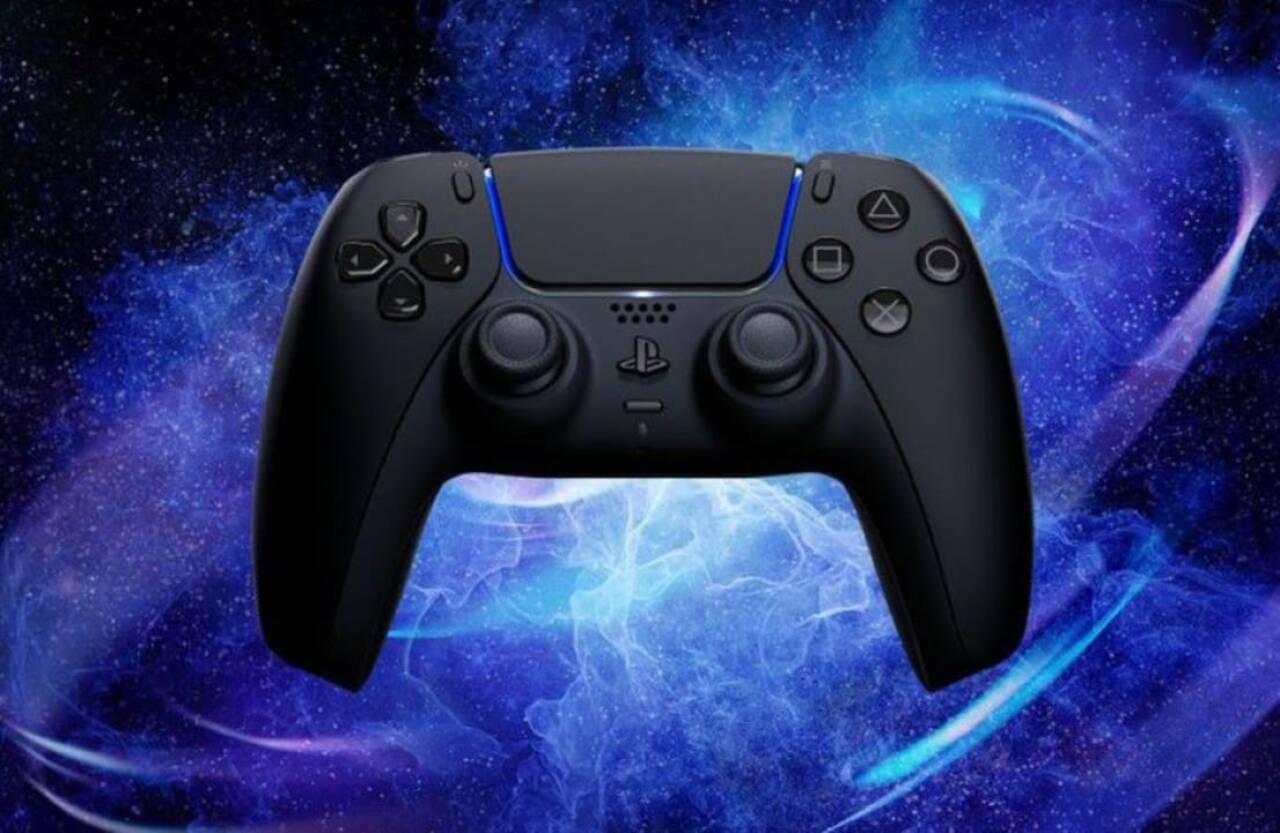
Leak indicates that Sony prepares Steam Deck rival with native hardware and advanced AMD chip


Recent rumors from the technology industry indicate that Sony is designing a new portable console focused on native game execution. The device would mark a significant shift in the company’s strategy, moving away from the reliance on streaming seen on the PlayStation Portal to offer a robust, independent experience of constant internet connection.
The initiative points to close collaboration with AMD aimed at developing high-performance hardware. The objective would be to compete directly in the segment of handheld PCs and hybrid consoles, meeting the demand of consumers who want to access their game libraries with high graphic quality anywhere.

Hardware and processing details
Technical leaks suggest that the heart of the device will be a custom processor based on the Zen 6 architecture. The expected configuration includes eight total cores, distributed between high-performance units for games and energy-efficient cores for operating system tasks, aiming to optimize battery life.
In terms of graphics, the device must have 16 Unidades Computacionais and high operating frequencies, surpassing several current competitors. The highlight is the RAM memory, which can reach 24 GB in the LPDDR5X standard, an amount higher than the market average that would eliminate bottlenecks in high-resolution textures.
Visuals and storage
To ensure visual fluidity, Sony must implement PlayStation Spectral Super Resolution technology. The feature uses artificial intelligence to resize images, enabling stable frame rates without compromising visual quality, backed by NVMe SSD storage for instant loads.
The product’s engineering appears to anticipate the demands of modern graphics engines. By investing in fast memory and proprietary upscaling technologies, the device seeks to offer a long useful life while maintaining technical relevance in the face of constant advances in software development.
Impact on the games market
The launch would position the brand once again in the competition against Nintendo and portable PC manufacturers. Full integration with the existing digital library would be the key differentiator, allowing users to enjoy previously purchased titles on premium hardware designed for longevity and high fidelity.
Analysts point out that the price will be a decisive factor in the commercial success of the device. With robust specifications and cutting-edge components, the notebook should occupy a high price range, focusing on enthusiasts who seek the convenience of a dedicated system without the configuration complexities of a traditional computer.