
Microchip helps identify owner in case of dog buried alive in Joinville By Luís Henrique Costa
6 min read
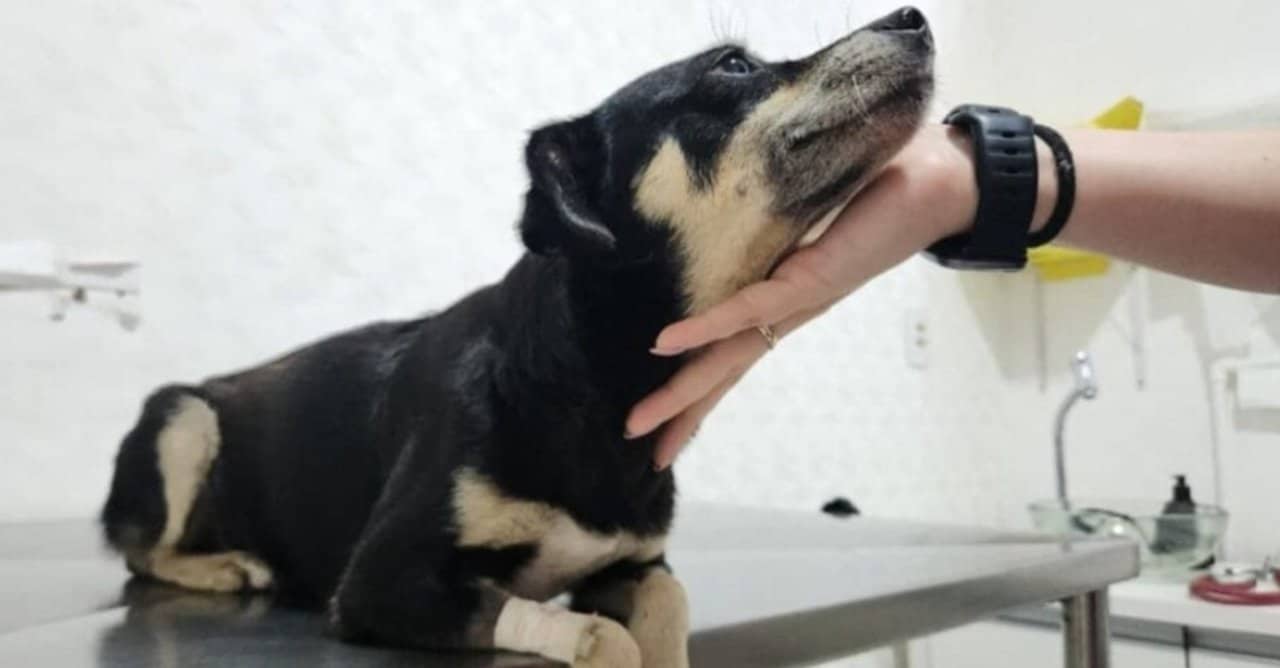 |
The discovery of a microchip in a dog rescued after being buried alive by teenagers in Joinville brought new details to light about the case, which shocked the local community on February 6th. The electronic device, crucial for animal identification, revealed the original owner’s data, allowing authorities to advance in the investigation of a crime of mistreatment that gained national repercussions.
The dog, who was named Bonnie, is under the care of Centro of Bem-Estar Após the complaint, police officers located Bonnie covered in dirt in a condominium in the Jardim Paraíso neighborhood.
The situation of the animal, found panting and weakened, mobilized not only the security forces, but also protectors and the population in general. Inicialmente, poisoning was suspected, but subsequent tests ruled out this hypothesis, focusing the investigation on those responsible for the brutal act.
The microchip, implanted in 2024, has proven to be an effective tracking tool:
– Permitiu contact with the registered tutor
– Facilitou collecting information about the animal donation
– Forneceu data for Polícia Civil to further investigate the facts
The crucial role of the microchip and research
The identification device, implemented in Bonnie in 2024, proved to be an essential instrument for carrying out the investigations. Segundo Elisabet from Souza Mendes, CBEA manager, it was through reading the chip that the contact of the original tutor was obtained. Esta technology, which has become a standard in several cities for animal control and safety, allows vital data to be easily accessed by authorities and rescue centers, speeding up processes in cases of loss, abandonment or mistreatment, such as what occurred in Joinville, highlighting its practical effectiveness in preventing new crimes and holding perpetrators accountable.
When contacted, the owner reported that he had donated the dog to someone else. Esta information was immediately passed on to Polícia Civil, who used it as a starting point to further investigate the crime, highlighting the chain of events that led to the act of cruelty and who could be involved. The investigation continued based on this new information, aiming to clarify all the circumstances.
The chain of events, from rescue to identification, highlights the importance of responsible animal ownership and the need to constantly update identification data. The collaboration between CBEA and Polícia Civil was essential for advancing the investigation and ensuring the protection of the animal.
Current Status of Bonnie and Path to Adoption
Currently, Bonnie is stable and undergoing treatment at a veterinary clinic affiliated with Centro of Bem-Estar Animal of The top priority now is your full recovery, especially as you are in a delicate period of pregnancy. The dog is expecting five puppies, and the entire medical and support team is focused on ensuring the well-being of the mother and her offspring.
After the puppies are born and nursed, and once they are all healthy and fit, Bonnie and her puppies will be prepared for adoption. CBEA will begin a rigorous process to find responsible and loving homes that can offer safety and care to these animals who have suffered so much. The expectation is that many families will be touched by the story of Bonnie and offer a new chapter of life for her and her puppies.
Polícia Civil’s response and the legal repercussions
Polícia Civil of Joinville acted promptly after the initial complaint, setting up an investigation team dedicated to the case of mistreatment. The investigative work was essential to identify those involved in the crime, which include teenagers and a woman with a professional connection to the condominium where the animal was found. The speed of the police response reflects the seriousness with which authorities treat crimes against animals.
This Tuesday, February 24, three search and seizure warrants were executed at the scene of the incident, which indicates significant progress in the investigation. The police are gathering all the evidence and statements necessary to conclude the investigation and hold those responsible accountable. The mobilization around the case demonstrates society’s intolerance towards acts of cruelty.
Brazilian legislation provides for severe penalties for animal abuse crimes, especially after Lei Sansão (Law 14,064/2020), which increased the punishment for these acts, with imprisonment from two to five years, in addition to fines and prohibition of custody. In the case of adolescent involvement, the applicable socio-educational measures follow the guidelines of Estatuto, Criança and Adolescente (ECA), ensuring that accountability is carried out in accordance with the law.
Importance of reporting for animal protection
The rescue of Bonnie is a direct testimony to the vital importance of reporting mistreatment by the population. Sem the action of citizens who witnessed or learned of the crime and alerted the authorities, the dog would probably not have survived, and the attackers would have remained unpunished. Community collaboration is a fundamental pillar in defending animal rights.
Reports can be made in several ways, including police stations, environmental protection agencies, or through specific online channels. It is crucial to provide as much detail as possible, such as exact location, description of those involved, and evidence such as photos or videos, whenever safe and possible, to assist authorities in investigating and collecting evidence.
Cases of animal abuse are still frequent in the country, but growing awareness and stricter laws have encouraged more people not to remain silent. Cada reporting is a step towards curbing violence against defenseless beings and promoting a culture of respect and empathy for animals, positively impacting public safety and the well-being of society as a whole.
Civic engagement in protecting animals reflects a society that values life in all its forms. By reporting, each person becomes an active part in building a safer and fairer environment, not just for animals, but for the entire community. Este is a social duty that contributes to morality and order.
Prevention and responsibility in animal ownership
The responsibility of owning pets goes beyond feeding and providing shelter; it encompasses veterinary care, adequate socialization and, fundamentally, the prevention of abandonment and mistreatment. The case of Bonnie in
Raising awareness about animal rights and promoting responsible ownership are essential preventive measures to reduce the incidence of crimes like this one. Campanhas educational programs, easy access to neutering and microchipping services, and supported adoption programs are effective tools for fostering a culture of respect and care. The participation of schools, families and public authorities is vital to building a society where animal cruelty is an exception, and not a sad reality, seeking to eradicate acts of violence against defenseless beings.
The future of Bonnie and her cubs
The story of Bonnie, who emerged from a situation of extreme cruelty, now looks forward to a future of hope and new beginnings, awaiting the moment of being welcomed into a permanent home with her five puppies. Centro of Bem-Estar Animal of The expectation is that, after the mother’s recovery and the initial phase of caring for the puppies, they will all be available for adoption, and the Joinville community, already touched by the animal’s plight, will certainly show great interest in offering a safe and loving environment for this family, transforming a narrative of pain into a beautiful example of resilience and compassion.
The importance of microchipping in animal protection
Pet microchipping is established as an indispensable tool for protection and identification. Além to facilitate the reunion of lost animals with their owners, as in the case of
Chip implantation is a quick and painless procedure, which must be accompanied by registration and updating of the guardian’s data, reinforcing the importance of responsible ownership and population control.



