
Toyota announces 338 horsepower electric C-HR for US market in 2026 By Beatriz
5 min read
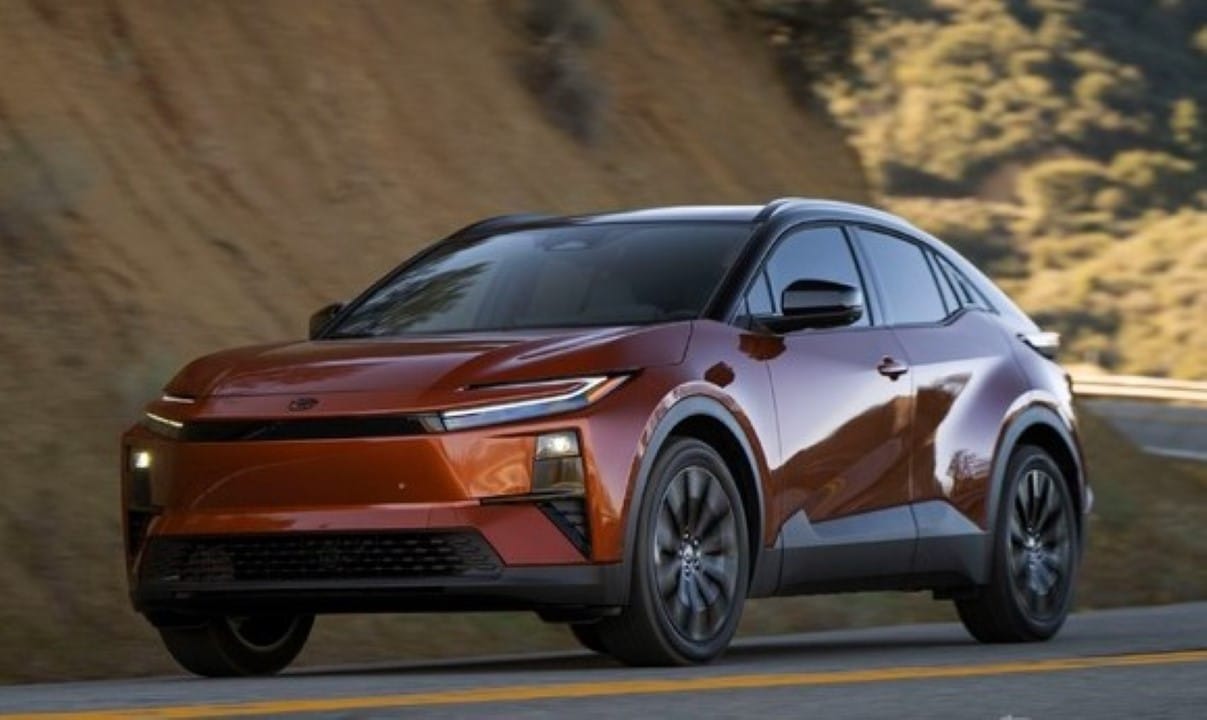 |
Toyota Motor North America has released details about the new C-HR, an electric compact SUV that returns to the Estados Unidos market after a break. The model, based on the e-TNGA platform dedicated to electric vehicles, combines coupe design with high performance and charging features compatible with local infrastructure. The announcement took place this Tuesday, February 24, 2026, highlighting the expansion of the automaker’s line of electric vehicles in the country.
Equipped with two electric motors, the C-HR offers electronic all-wheel drive as standard, achieving 338 total horsepower in the system. Acceleration from 0 to 60 mph is accomplished in 4.9 seconds, while the 74.7 kWh battery provides an EPA-estimated range of up to 287 miles in the SE version with 18-inch wheels. The XSE version, with 20-inch wheels, reaches 273 miles, prioritizing a balance between efficiency and style.
Compact dimensions include 177.9 inches long, 73.6 inches wide and a 108.3-inch wheelbase, ensuring urban agility. The vehicle incorporates a NACS charging port, allowing access to thousands of fast DC stations across the US. Charging from 10% to 80% takes about 30 minutes under ideal conditions, making long journeys easier.
Performance and embedded technology
The C-HR’s all-wheel drive system automatically adjusts torque distribution between the axles, improving stability on curves and slippery surfaces. Drivers can select four levels of regenerative braking via paddle shifters on the steering wheel, optimizing energy recovery during deceleration.
The battery pre-conditioning function heats or cools the pack to ideal temperatures before fast charging, activated manually or automatically when setting a station as your navigation destination. Isso reduces recharge times and preserves battery longevity in varying climates.
Indoor comfort features
The interior adopts a clean layout with a slim display for the driver and an accessible center console, including customizable ambient lighting in multiple colors. Dois wireless smartphone chargers and rear USB ports increase convenience for passengers.
The air conditioning has dedicated controls for the rear seats, while the optional panoramic roof increases the feeling of space. Trunk space offers 25.3 cubic feet behind the rear seats, expanding to 59.5 cubic feet with the seats folded 60/40.
The design prioritizes ergonomics, with electrically adjustable front seats and lumbar support, ensuring comfort on long journeys. Materiais soft to the touch and reinforced acoustic insulation minimize external noise, creating a serene environment even at high speeds.
Platform and development
Developed from a compact BEV concept revealed by Toyota in 2022, the C-HR joins the lineup of 21 electric models available in the US. The e-TNGA platform positions the battery under the floor, lowering the center of gravity and increasing structural rigidity through cross-frames. Essa configuration improves handling, reducing body roll during maneuvers. The vehicle represents the third BEV sold by Toyota in the American market, aligning with the company’s gradual electrification strategy.
Charging and compatibility options
The standard NACS port makes the C-HR compatible with extensive networks of Level 2 and DC fast chargers across the United States. The plug & charge function automatically authenticates the vehicle to compatible stations, eliminating the need for multiple applications.
This simplifies the process for frequent users by integrating payments and usage history directly into the car’s system. Compatibility with Tesla stations expands options, covering rural and urban areas with greater point density.
Automatic preconditioning via navigation calculates the time needed to optimize the battery, considering factors such as ambient temperature and remaining distance. Usuários report significant reductions in wait times, especially in harsh winters.
This integration with the national charging ecosystem positions the C-HR as a practical option for daily commutes and interstate travel.
Available versions and prices
The SE version starts at $37,000, equipped with 18-inch wheels and a focus on energy efficiency. Já the XSE, starting at $39,000, adds 20-inch wheels and premium aesthetic elements such as contrasting exterior finishes.
Both include all-wheel drive and the same 338 horsepower, differing in comfort and technology packages. Launch is scheduled for March 2026 at Toyota dealerships in the US, with financing options tailored to electric vehicle buyers.
Exterior design and aerodynamics
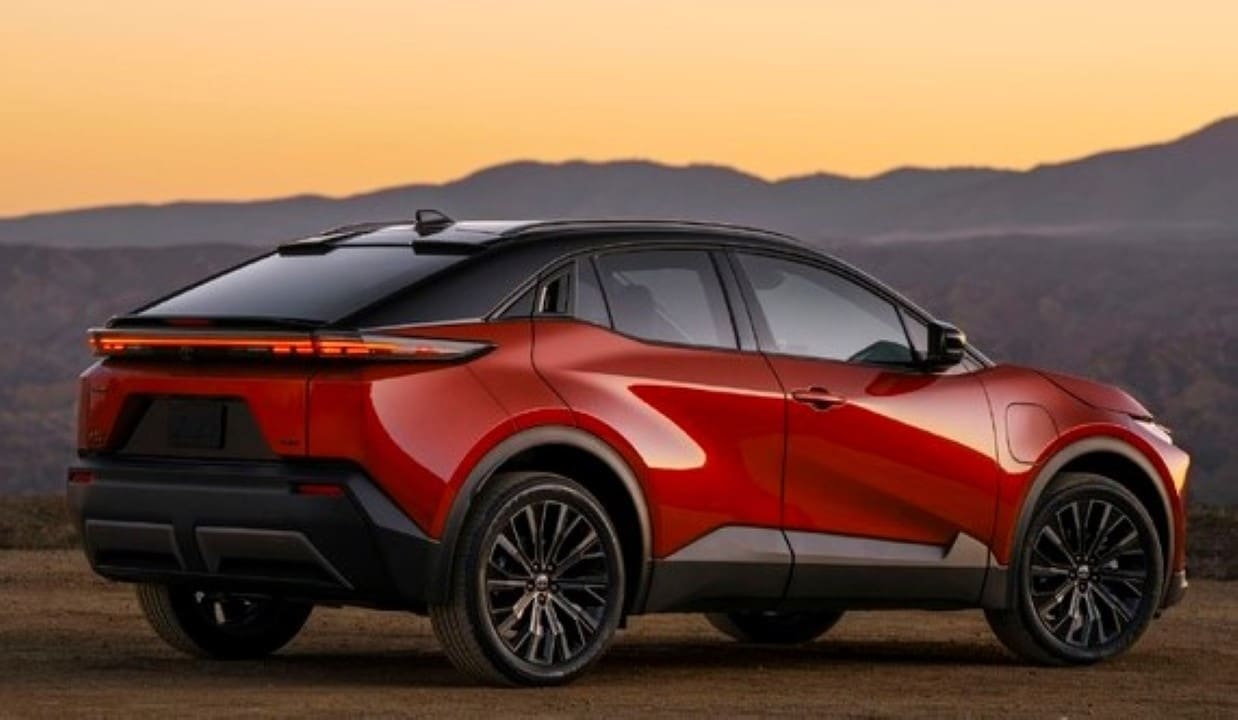
The C-HR’s coupe profile combines fluid lines with sporty elements, such as tapered LED headlights and a minimalist front grille. The 63.8-inch height keeps the silhouette low, optimizing the drag coefficient for greater efficiency. Detalhes like integrated spoilers and aerodynamic wheels reduce drag, contributing to extended range. The design reflects the Toyota’s evolution in electric vehicles, balancing modern aesthetics with practical functionality. Color options include metallic and pearlescent tones, allowing customization according to regional preferences.
Integration with local infrastructure
In the Estados Unidos, the C-HR benefits from the expansion of charging stations, with thousands of fast DC points available on interstate highways. NACS compatibility makes it easy to use on networks such as Electrify America and ChargePoint, as well as Tesla Superchargers.
Owners can plan routes via the Toyota app, which suggests optimized stops based on battery levels and real-time traffic. Essa connectivity reduces range anxiety common in early adopters of EVs.
The vehicle supports over-the-air updates to power management software, improving efficiency over time without workshop visits.
Active safety features such as automatic emergency braking and lane keeping assist integrate with the electrical system for faster responses.
Toyota market strategy
The Toyota positions the C-HR as an affordable entry into the BEV lineup, competing with compact models from rivals like the Chevrolet and Hyundai. The focus on performance and practicality attracts urban consumers looking for versatile vehicles for everyday use.
With production adjusted to meet growing demand for electric vehicles, the automaker plans to expand customization options, including winter packages for cold regions. Essa approach reflects the commitment to the energy transition, maintaining the brand’s recognized reliability.
Environmental benefits and efficiency
The C-HR contributes to reducing emissions by eliminating internal combustion, aligning with federal goals for zero-emission vehicles. Sua energy efficiency, measured by the EPA, surpasses many compact competitors, with consumption equivalent to around 120 MPGe on a combined cycle.
Homeowners in states with tax incentives, such as Califórnia, can significantly reduce upfront costs. The high-capacity battery supports intensive use cycles, with a 10-year or 150,000-mile warranty for a minimum retention of 70% capacity.
This encourages adoption in corporate fleets and sharing services, increasing the positive environmental impact.
Sales and reception expectations
Analysts predict robust initial sales, driven by attractive design and competitive pricing. The return of the C-HR name, now electric, capitalizes on previous recognition in the American market.
Initial test feedback highlights the smooth acceleration and quiet interior, setting it apart from traditional SUVs. Toyota plans marketing campaigns focused on sustainability and innovation to attract younger shoppers.



