
More than one hundred thousand drivers have activated V16 beacons since they became mandatory in January 2026

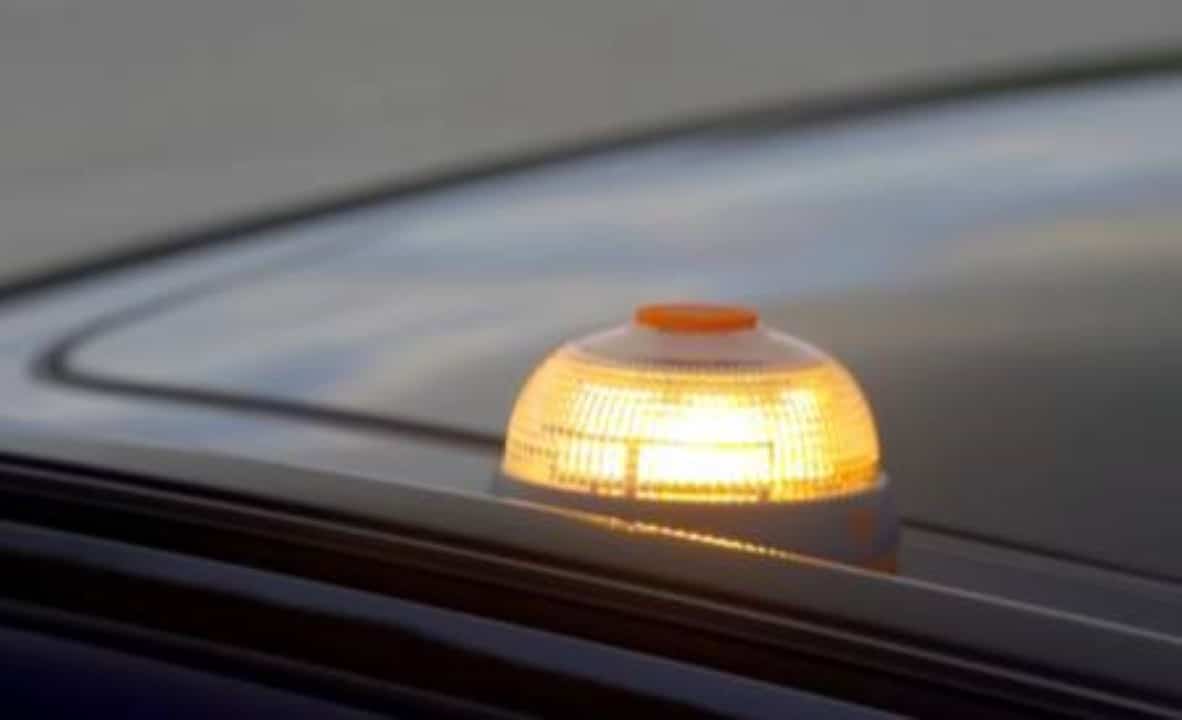
Since January 1, 2026, when the connected V16 beacon became mandatory to replace warning triangles, more than one hundred thousand drivers have already activated the device in emergency situations on Spanish roads. Direção Geral of Essa adoption reflects a progressive adaptation of drivers to the new signaling system, which automatically sends the geolocation of the immobilized vehicle to the DGT 3.0 platform.
The daily average of activations in vehicles with incidents on the road reaches 2,200, with peaks approaching 3,000 on certain days. The yellow luminous device emits 360-degree flashing light and must be placed at the highest possible point of the vehicle, preferably on the roof, to ensure maximum visibility. Essa functionality allows you to alert other road users in real time, helping to reduce risks such as being run over in situations of low visibility or heavy traffic.
Progressive adoption among drivers
The initial controversy surrounding the measure subsided considerably after the first few months. Muitos drivers have already incorporated the V16 beacon as an essential part of the safety equipment in the vehicle. The obligation covers tourism, mixed vehicles, goods transport cars and buses, in accordance with the general vehicle regulations.
Experts note that the transition occurred gradually. Problemas Initial supply runs and some confusion about sanctions contributed to slower adoption at first, but acceptance increased as the weeks went by.
Functioning and advantages of the connected beacon
The V16 beacon must remain on the vehicle’s front and be manually activated by the driver in the event of a breakdown or accident. When turned on, the device emits high-intensity light for at least 30 minutes and transmits exact coordinates to the DGT 3.0 platform. Essa information is validated and shared with other nearby drivers through apps and navigation systems.
The system improves road safety by preventing drivers from having to leave their vehicle to place traditional signs. Automatic connection allows alerts to quickly reach road users, reducing exposure time to risks.
Experts highlight that the device represents a significant technological advance. Integration with the connected platform facilitates incident management by traffic authorities throughout the national territory.
Initial controversy and current adaptation
In the first days of the obligation, doubts arose about supply and the sanctioning regime. Autoridades announced a reasonable adaptation period to avoid immediate fines, which contributed to a smoother implementation.
Currently, most drivers already know how it works and how to use it correctly. The reduction in initial criticism indicates that the device has gained progressive acceptance among road users.
DGT data confirm frequent use
Official statistics reveal a consistent volume of daily activations. On peak traffic dates, the number approached three thousand connections, demonstrating the practical usefulness of the system in real emergency scenarios.
The DGT 3.0 platform receives and processes this information to inform other nearby vehicles. Essa functionality reinforces the prevention of secondary accidents on expressways or with reduced visibility.
The standard establishes that only approved and connected beacons are valid since January 2026. Condutores must ensure that the device meets the technical requirements to avoid irregularities.



