
Railway expansion project connects World Cup stadium in Japan and works are scheduled for 2029 By Carolina Costa
4 min read
 |
The government of the province of Saitama, together with local authorities, officially took a decisive step towards the modernization of transport infrastructure in the north of Tóquio. The public administration confirmed the plan to extend Linha Ferroviária Rápida from Saitama, a project awaited for decades by residents and sports fans who frequent the region. The initiative aims to directly connect the metro network to the Saitama Stadium 2002, the historic stage of the Copa of the Mundo, eliminating logistical bottlenecks on days of major events.
The strategic decision seeks to solve the chronic problem of traveling to the stadium, which currently requires visitors to walk a long distance from the nearest station. With the formalization of the project, authorities hope to not only facilitate the flow of fans, but also stimulate urban development around the planned new station.
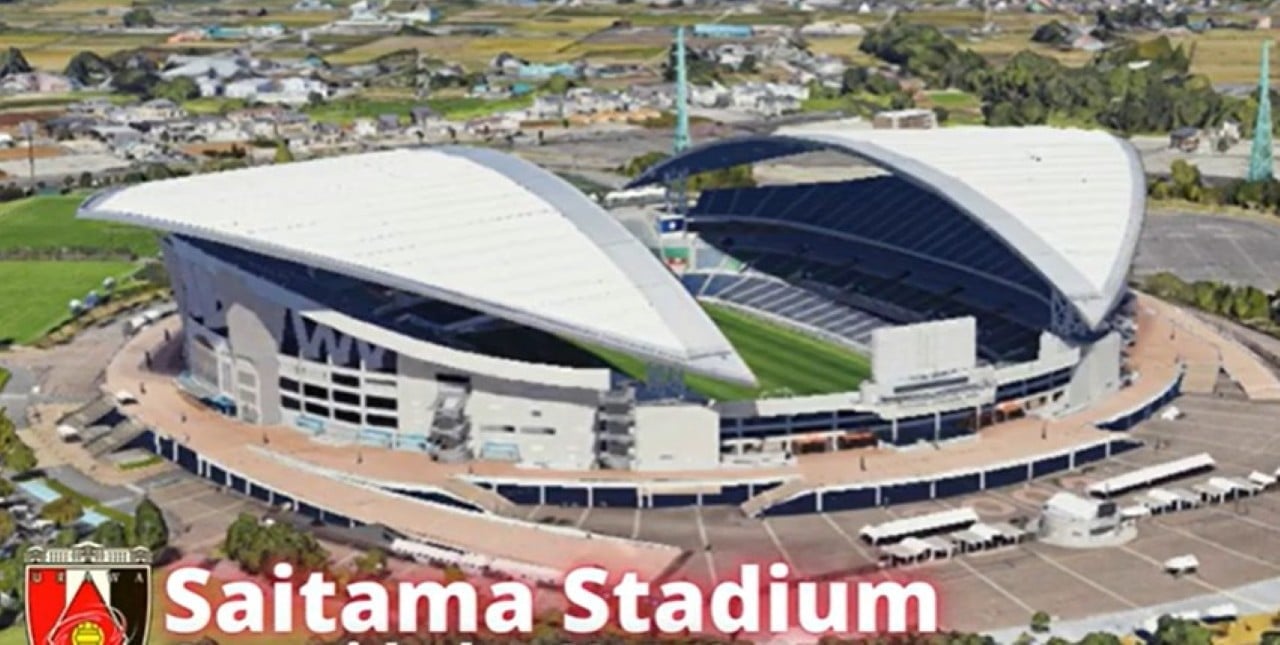
The schedule established by the authorities foresees a long-term horizon for the total completion of the work. The official opening of the new station is scheduled for the year 2041, with the start of physical civil engineering works scheduled for fiscal year 2029, after the completion of the necessary administrative and environmental processes in the coming years.
Economic viability and cost division
Recent economic feasibility studies were fundamental in advancing the proposal, presenting a favorable scenario for public investment. The project’s cost-benefit index was calculated at 1.2, an indicator that signals a positive return for society and justifies the allocation of state resources to expand the railway network. The technical analysis confirmed that the work will bring economic and social advantages that exceed the expected initial investment.
The total cost of the project is estimated at approximately 144 billion yen, a value that reflects the complexity of the engineering and the need for highly durable materials. Para To make construction viable, a shared financing model was designed between different entities, ensuring that the budget burden does not fall on a single institution and ensuring the fiscal sustainability of the project.
- The city of Saitama will be responsible for covering approximately 65% of the total project costs.
- The remaining 35% of the budget will be divided between the railway operator and state reserve funds.
- The model predicts that the initial investment can be recovered through commercial operation over decades.
- The expectation is that the line will begin generating operating profit approximately 27 years after its opening.
Impact on logistics and fan experience
The Saitama Stadium 2002, with a capacity for more than 63,000 spectators, faces significant mobility challenges on Japanese national team or J-League match days. Atualmente, fans need to walk between 15 and 20 minutes from the current station to the arena gates, which creates pedestrian congestion and safety risks on days of maximum capacity.
The new station, designed to be located close to the sports complex, promises to radically transform the public’s experience. The direct connection will allow for a more agile and safe flow, eliminating the need for a long walk and facilitating access for the elderly, families and people with reduced mobility, who currently face physical barriers to reach the location.
In addition to benefiting football, improved access should attract a greater variety of events to the stadium, such as international concerts and cultural festivals. Ease of transport is a decisive factor for event organizers, and the direct connection to the Tóquio metro network will make the location much more competitive and attractive for the global entertainment market.
Urban development and future perspectives
The extension of the railway line is not only seen as a transport project, but as a catalyst for urban development in the northern region of Saitama. The area around the future station, which currently functions mainly as a parking lot and circulation space, must undergo an intense redevelopment process. The master plan envisages the attraction of commercial establishments, services and new residential areas, creating a new hub of economic activity that will operate independently of the sporting calendar, generating real estate value and quality of life for local residents.
The connection to the Tóquio subway network, via the Namboku line, ensures that the new station is integrated into the heart of the Japanese capital. Isso facilitates the daily commute of residents of the region to the center of Tóquio, transforming the stadium area into a strategic housing point and not just a sporadic leisure destination.
Urban planning experts point out that railway infrastructure is essential for the long-term sustainability of large sports complexes. By ensuring quick and efficient access, the government of Saitama ensures that the legacy of Copa from Mundo of 2002 continues to serve the population in a functional and modern way for decades to come.