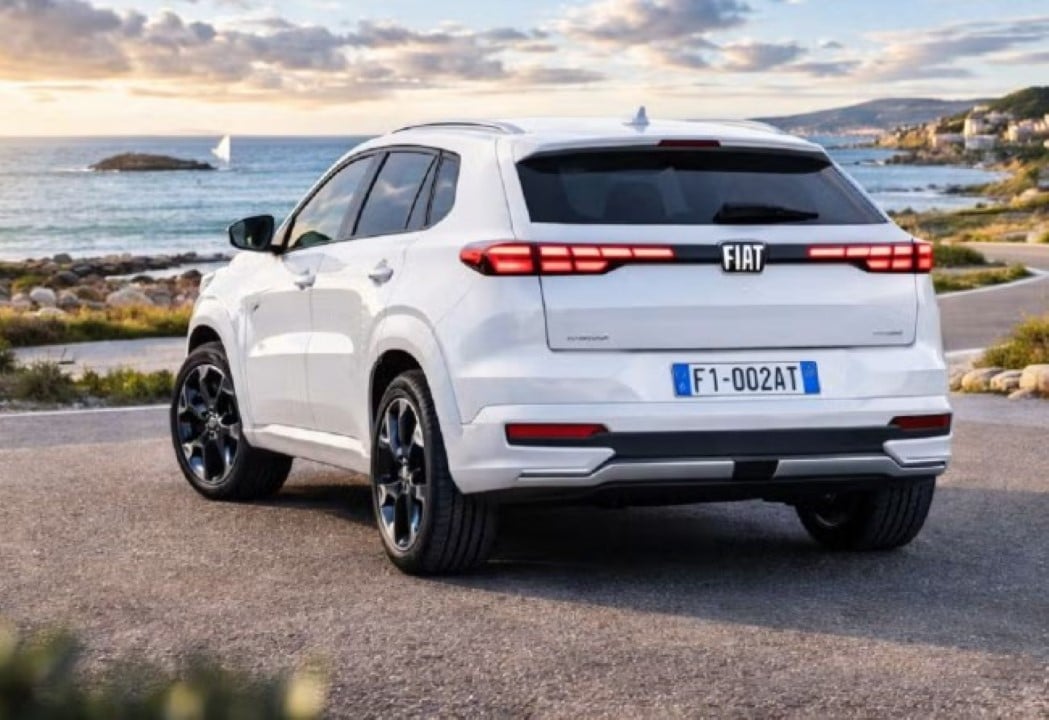
The global automotive industry is witnessing a significant strategic move by the Italian manufacturer, which is advancing in the development of a new vehicle aimed at the family segment. The project’s main objective is to redefine competitiveness in the SUV sector, offering an alternative that combines generous space with modern propulsion technologies. The initiative seeks to meet a growing demand for versatile cars, capable of transporting up to seven passengers, without this representing a prohibitive cost for the average consumer.
The central focus of this new model lies in democratizing access to electrification technologies and expanded cabin configurations. In an economic scenario where cost efficiency is crucial, the vehicle’s engineering was designed to maximize internal space while maintaining the economic viability of production. Essa approach suggests a direct response to the needs of contemporary families, who seek durability and functionality to the detriment of superfluous luxuries that make the final product more expensive.

This move reinforces the brand’s commitment to leading the energy transition in the mass market. By designing a car that balances sustainability, load capacity and accessible technology, the company signals that it is possible to offer robust solutions for everyday urban and road use, remaining competitive against rivals that dominate the entry-level segment.
Industrial synergy and shared platform
The technological basis for this new utility is the Smart Car architecture, developed by the Stellantis group. The Esta modular platform is already used in recent models of the Citroën and Opel, proving its versatility and efficiency. The component sharing strategy is essential for drastically reducing engineering and manufacturing costs, allowing the brand to position the vehicle at a more attractive final price at dealerships.
The architecture was designed to be flexible, supporting both traditional combustion engines and fully electric systems. Essa feature allows the vehicle to be adapted for different global markets, respecting the particularities of infrastructure and legislation in each region. The robustness of the platform also guarantees the integration of modern connectivity solutions, essential for today’s consumer profile.
Functional design and use of space
Aesthetically, the project adopts a “form follows function” philosophy, prioritizing straight lines and a quadrangular silhouette. The choice for a more vertical shape at the rear, combined with a high roof, is not merely stylistic, but an engineering decision to comfortably accommodate passengers in the third row of seats. Elementos futuristic elements, such as LED optical sets with a pixelated signature, should form part of the visual identity, giving the set modernity.
Inside, versatility is the watchword. The cabin is designed with highly durable and easy-to-clean materials, considering the intense use typical of large families. The modularity of the seats and trunk will allow for different load configurations, transforming the vehicle from a passenger carrier to a cargo utility vehicle in just a few movements, adapting to the user’s momentary needs.
Hybrid powertrain and energy efficiency
The new SUV’s mechanical package seeks a refined balance between performance and fuel economy. The combustion versions will be equipped with 48-volt mild hybrid technology (MHEV). Este sistema auxilia o motor térmico em momentos de maior esforço, como arrancadas e retomadas, reduzindo o consumo e a emissão de poluentes sem a necessidade de carregamento externo, o que representa uma transição suave para a eletrificação.
For the zero-emission segment, there will be an all-electric option equipped with lithium iron phosphate (LFP) batteries. The choice for this battery chemistry is strategic:
– Maior component life compared to traditional lithium-ion.
– Custo of significantly lower production, impacting the final price.
– Segurança high thermal and robustness for frequent load cycles.
– Autonomia sufficient for urban use and medium-distance trips.
Market and production strategy
Production of the new model will be concentrated in strategic industrial hubs, such as Sérvia and Marrocos. Essas locations were chosen due to the efficiency of their factories, which contributes to maintaining healthy margins even with an aggressive pricing policy. The commercial objective is to directly compete with brands that currently dominate the entry-level segment, offering more technology and space for a similar price.
With this launch, the manufacturer intends to fill an important gap in the market, offering a product that does not force the consumer to choose between space, economy and modernity. The combination of a proven global platform with a rigorous cost strategy positions the new SUV as a potential sales leader in emerging and European markets.
