
Japan moves forward with plan for new railway station to serve 2002 World Cup stadium By Jeronimo Santos
3 min read
 |
Authorities in the province and city of Saitama have consolidated plans for the extension of Linha 7 from The initiative aims to connect the current Urawa-Misono terminal station to a new stop, provisionally named Estação Saitama Stadium. The main objective is to solve the historical mobility challenges in the region, facilitating the movement of thousands of fans and local residents.
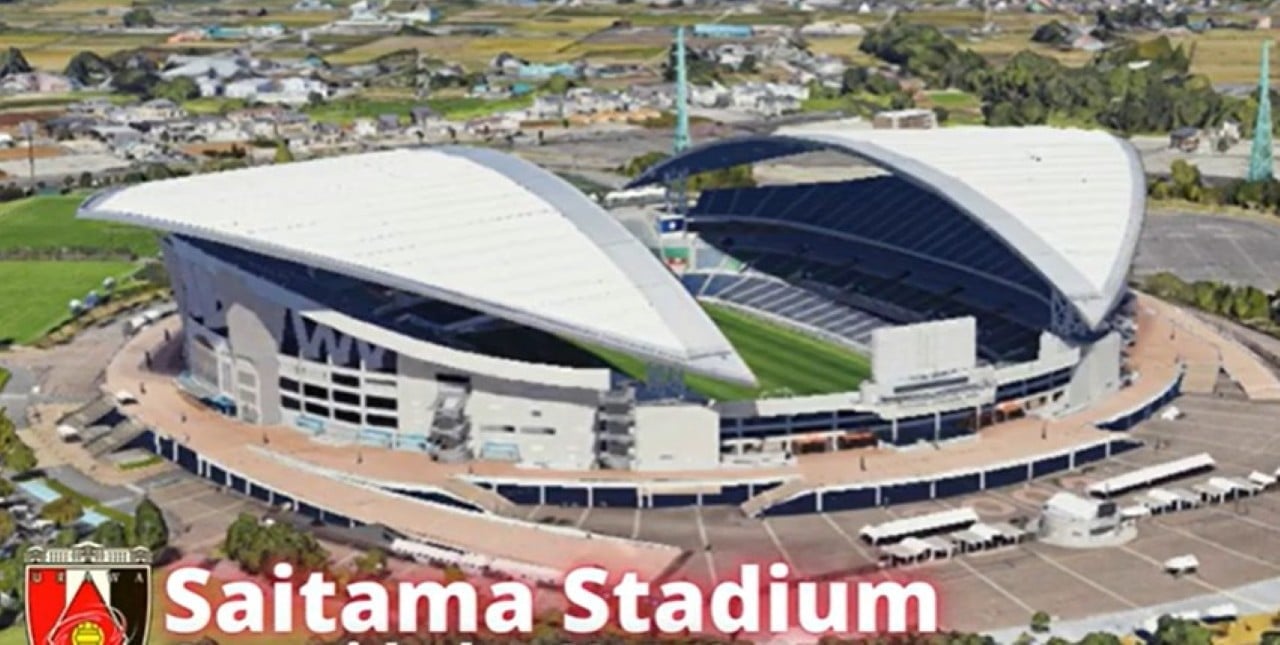
The work appears as a direct response to the logistical demand generated by major sporting and cultural events held at the site, which gained global prominence during Copa of Mundo in 2002. Além serves as a more practical arrival point for Urawa Red Diamonds fans, the new station should boost urban development in adjacent areas. The integrated planning foresees that the railway acts as a central axis for public transport, encouraging the use of trains and reducing dependence on private vehicles on busy days.
Urban mobility experts point out that the completion of the project will bring immediate changes to local dynamics. Passenger flow management will undergo a transformation, eliminating the long walks that currently characterize the visitor experience. The railway extension promises to significantly reduce walking time, improve crowd dispersion after events and promote more efficient integration with other transport networks in the metropolitan region.
Execution schedule and financial investment
The project includes a strategic section of approximately 1.2 kilometers, designed to overcome physical barriers and ensure the safe operation of trains. The transport authorities have stipulated that the licensing and formal approval process for the start of works must be completed by the year 2029.
The official forecast for the inauguration and start of commercial operation of the new line is April 2041. The estimated base budget to make the construction viable is 144 billion yen, with the division of costs following a sharing model between the national government and local administrations, highlighting the importance of the work for the infrastructure of the Japão.
Direct impact on fans’ journey
In the current scenario, the route between the existing station and the stadium requires a walk of around 31 minutes, which can be an obstacle for families, the elderly and people with reduced mobility, especially under unfavorable weather conditions. With the implementation of the new rail connection, this time is projected to be reduced to approximately 22 minutes on normal days. On crowded game days, optimizing crowd flow can result in real perceived time savings of up to 15 minutes.
The Estádio of Saitama 2002 holds more than 63,000 spectators, requiring robust logistics to avoid congestion and ensure public safety. The new station will allow for a more uniform distribution of passenger volume, avoiding frequent bottlenecks at current exits. Essa change will provide a much more agile and comfortable last mile experience for fans of Urawa Reds and the Japanese national team.
Economic viability and future expansion
Cost-benefit studies carried out by specialized consultancies highlight the financial strength and social advantages of the project. The benefit-to-cost index was calculated at 1.2, indicating that the return generated by the work will exceed the investments made. Esse indicator is essential to justify the contribution of public resources, ensuring that the expansion will bring positive returns to the local economy through real estate appreciation and stimulation of commerce.
The region’s master plan also includes a long-term vision, suggesting the possibility of extending the line for another 7.5 km towards the north. Essa later phase would connect new residential and commercial areas, depending on the success of the current phase and population growth. The initiative reinforces Japão’s commitment to modernizing the legacy of Copa from 2002, ensuring that its arenas continue to be sustainably integrated into the urban fabric and serving future generations.