
Mobility project in Japan foresees new train station to connect World Cup stadium by 2041 By Carolina Costa
2 min read
 |
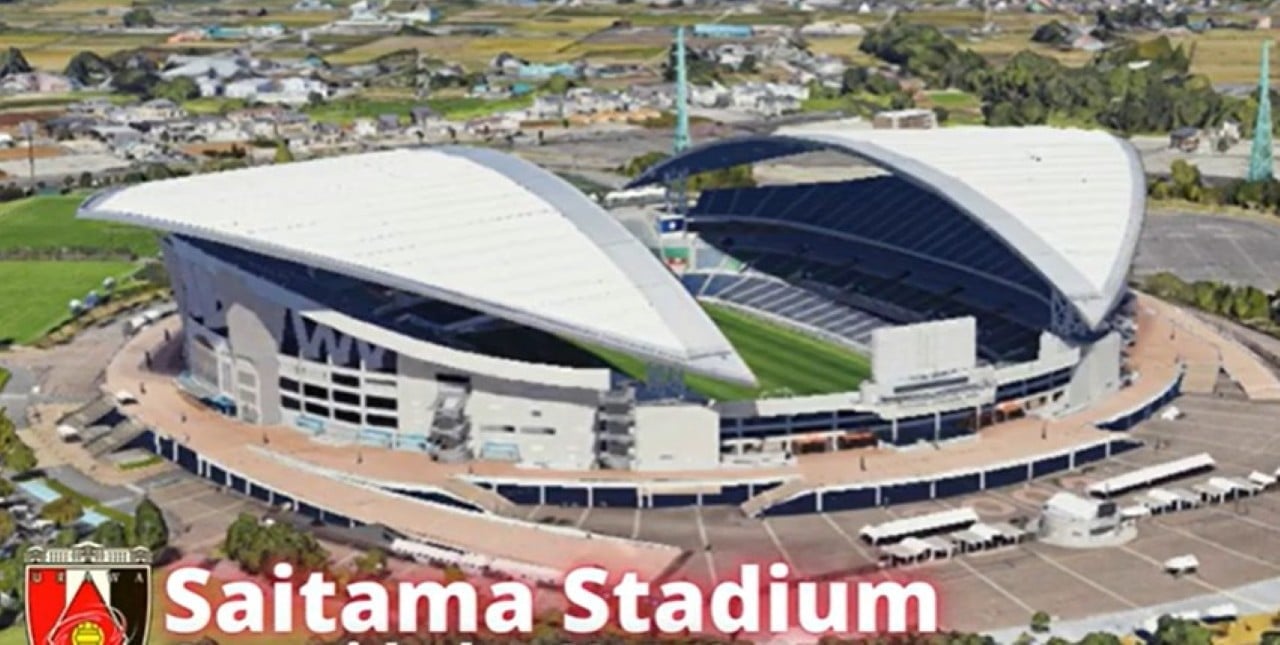
Local authorities in the province of Saitama and the municipal administration have consolidated a strategic plan to transform transport infrastructure in the metropolitan region. The central focus of the initiative is to resolve the historical mobility challenges around Estádio from The proposal aims to create a direct and efficient connection that benefits both local residents and the thousands of fans who attend the sports arena.
Billion-dollar investment and execution schedule
The technical project details the construction of an extension of approximately 1.2 kilometers from the current Urawa-Misono terminal station. The objective is to establish a new stop, provisionally named Estação Estádio and Saitama, which will serve as a crucial point for the flow of passengers on days of major events. Para To make this engineering work viable, a budget of 14.4 billion yen was estimated, a value that reflects the complexity and importance of urban intervention for the city’s future.
Economic feasibility analyzes carried out by specialized consultancies indicated a cost-benefit ratio of 1.2, which demonstrates that the social and financial return will exceed the initial investments. Based on these positive data, the official timeline states that all formal agreements and regulatory approvals must be completed by the year 2029. The opening of the new line and the start of commercial operations are scheduled for April 2041, marking a new era for Japanese public transport.
Impact on logistics and preservation of sporting legacy
The current situation requires visitors to walk approximately 31 minutes from the nearest station to the stadium, a journey that becomes exhausting and prone to severe congestion on match days. With the arena’s capacity exceeding 63,000 spectators, crowd dispersal after the final whistle often results in long waits and bottlenecks on access roads. The new station promises to reduce this travel time to just 15 minutes, significantly optimizing pedestrian flow and ensuring greater safety and comfort for the public.
This initiative reinforces Japão’s commitment to keeping the legacy left by Copa from Mundo in 2002 alive and functional. By modernizing access to one of its most important sporting facilities, the Saitama region not only improves the quality of life of its citizens, but also ensures that the stadium continues to be a vibrant hub of culture and sport for decades to come. The work is seen as a fundamental piece in the urban planning puzzle, designing a city that is more connected and prepared for the demands of the future.