Railway expansion in Japan will connect the 2002 World Cup stadium to the new station scheduled for delivery in 2041

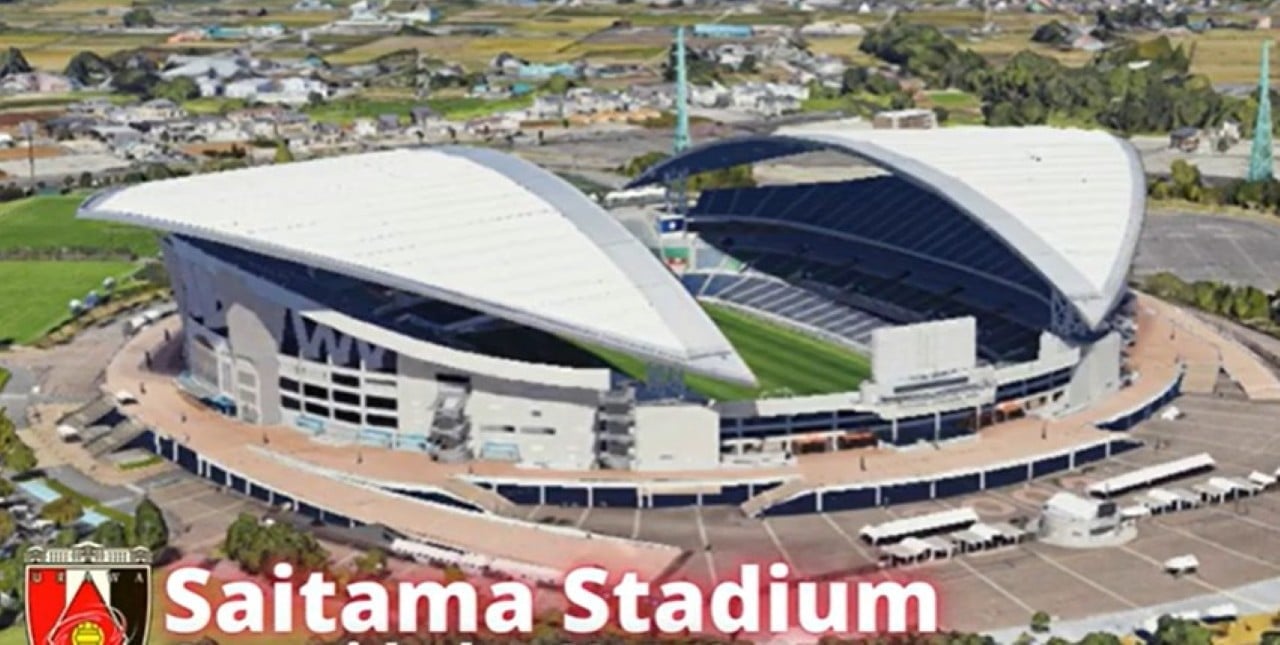
Local authorities from the city hall of Saitama and representatives of the municipal government have consolidated an ambitious strategic plan to transform the transport infrastructure in the metropolitan region, aiming to resolve historical transportation bottlenecks that affect thousands of people. The central project involves the extension of Ferrovia from Alta Velocidade, specifically Linha 7, creating a direct and vital connection to one of the most iconic arenas in world football. The initiative seeks not only to modernize access, but also to guarantee the operational sustainability of major sporting events in the coming decades.
The technical proposal aims to solve the logistical challenges faced since Copa of Mundo of 2002, when the flow of passengers became a recurring problem on game days and large events. With the guidelines becoming official, the focus becomes the execution of work that promotes mutual benefits for both local residents and visitors to the sports arena. The public administration highlights that the efficient continuity of the service is the top priority of this reformulation.
Billion-dollar investment and timeline stages
The technical scope of the project defines the construction of a section of approximately 1.2 kilometers from the current Urawa-Misono terminal station, culminating in a new temporary station in the immediate vicinity of the stadium. Para To make this complex engineering work viable, a robust budget of 144 billion yen was estimated, a value that reflects the complexity and strategic importance of the intervention for the city’s urbanism. Este amount is seen as a necessary investment to adapt the region to future traffic and urban occupation demands.
Economic feasibility analyzes carried out by specialized consultancies indicated a positive cost-benefit ratio of 1.2, which validates the long-term social and financial return of the enterprise. Based on these projected data, the official schedule establishes that all formal agreements and bureaucratic procedures must be finalized by the year 2029. The inauguration of the new line and the start of commercial operations are scheduled for April 2041, marking a new era for Japanese public transport.
Flow optimization and sports legacy
In the current scenario, spectators who attend the venue face a walk of around 31 minutes from the nearest station to the arena gates, which creates human congestion and access difficulties. The capacity of the venue, which exceeds 63,000 people, makes dispersing the crowd after the final whistle a slow and often chaotic process. The new infrastructure promises to reduce this travel time to just 15 minutes, drastically facilitating pedestrian mobility and increasing public safety and comfort.
This initiative reinforces the commitment to keeping the legacy left by the 2002 World Cup alive and functional, ensuring that the stadium remains a focal point of sporting and cultural activity. By modernizing access to one of Saitama’s main sporting facilities, the project not only improves residents’ quality of life, but ensures that the arena remains a vibrant entertainment hub for many decades to come, integrating seamlessly into the city’s urban planning.