Red and black idol points to physical exhaustion as a crucial factor in losing the Recopa title at Maracanã

The Maracanã was the scene of a night of intense frustration for the Flamengo fans this Thursday, consolidating a turbulent start to the season for the club in 2026. The 3-2 defeat to the The confrontation, which went into extra time, exposed weaknesses that were decisive for the setback against the Argentines, transforming the expectation of a party into an environment of severe demands and protests in the stands.
The match presented two distinct scenarios, with the Rio team demonstrating game volume during regular time, but visibly succumbing when the physical demands increased in extra time. Lanús, demonstrating superior organization and athletic preparation in decisive moments, knew how to exploit the spaces left by a team that was no longer able to rebuild its defensive lines with the necessary speed. The final result not only handed the cup to the opponent, but also placed the technical committee’s working methodology under immediate public scrutiny.
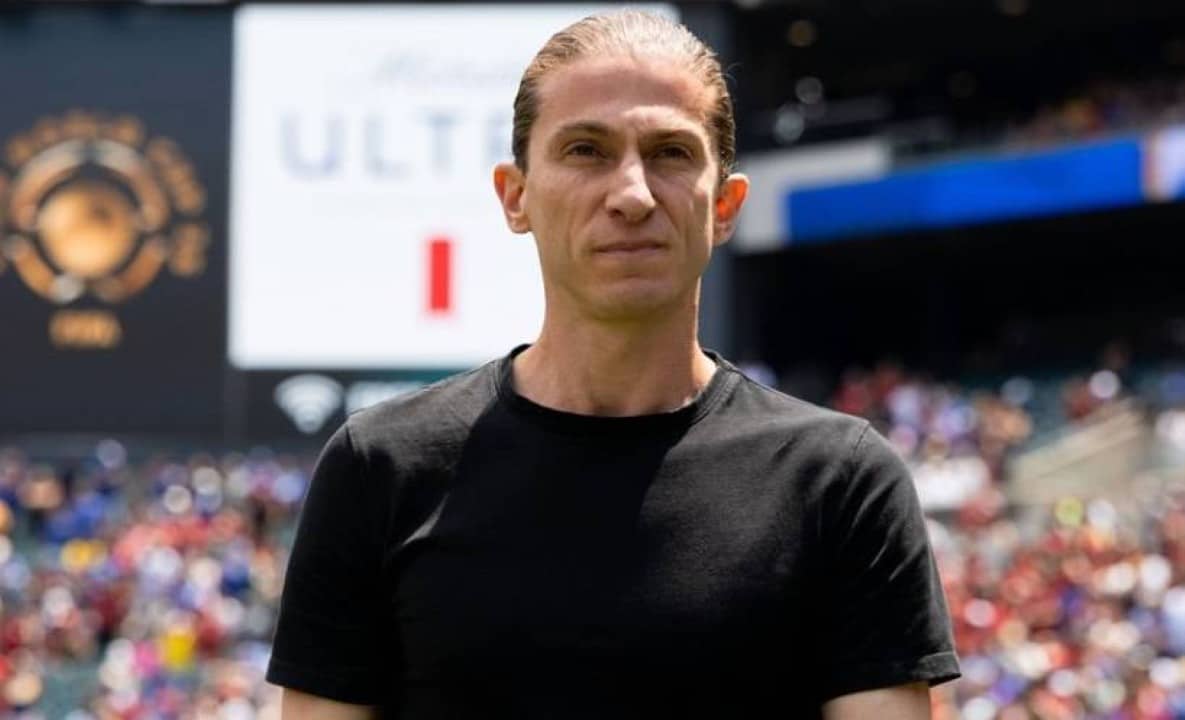
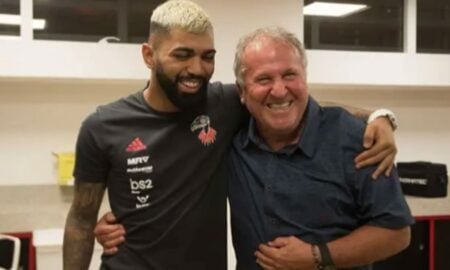
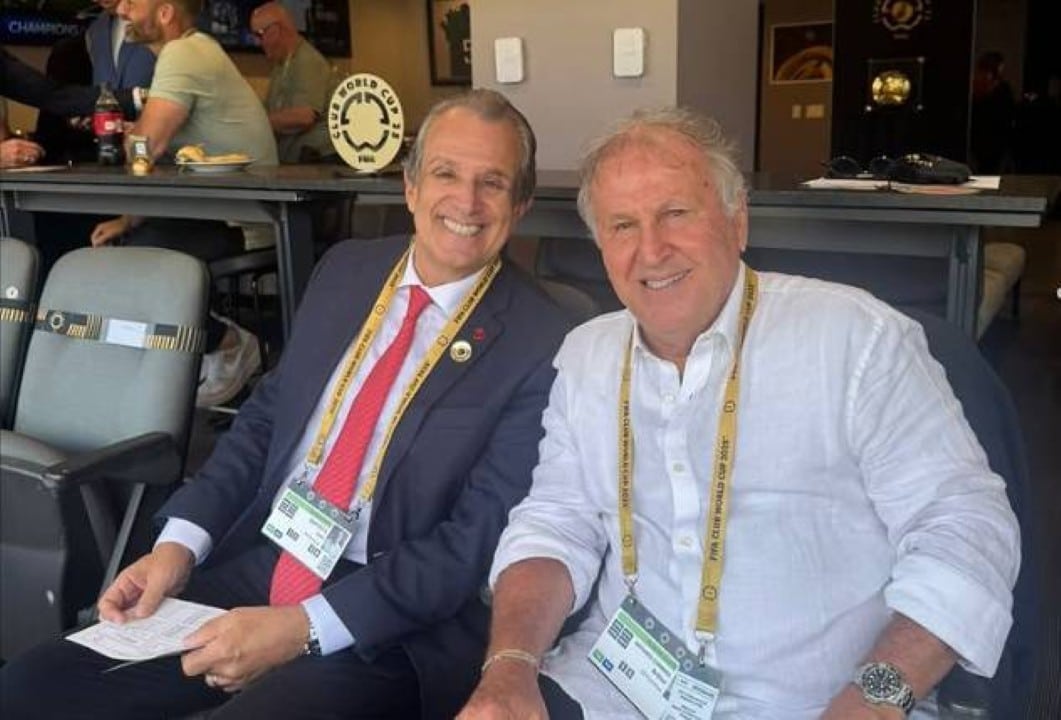
Zico, the greatest figure in the club’s history, followed the duel in person and brought a clinical view of what happened on the pitch. Para the eternal number 10, the technical issue took a backseat to an obvious physical collapse. The idol’s analysis points out that the team spent all its energy trying to resolve the game in the 90 minutes and, when entering extra time, it lacked the “leg” to compete on equal terms, allowing Lanús to dominate the crucial actions that defined the score.
Detailed assessment of the squad’s conditioning
Zico’s reading of the game highlights that the players’ will was not the problem, but rather the body’s ability to respond to mental commands in high-pressure situations. Galinho observed that, in the final moments, several athletes showed clear signs of muscle wastage, with hands on their knees and difficulty performing short recovery bursts. Essa The abrupt drop in performance facilitated the strategy of Lanús, who maintained their intensity and achieved the necessary goals by taking advantage of the Brazilian team’s slow defensive coverage.
The diagnosis points to an urgent need to review the club’s physical preparation processes for the remainder of the 2026 calendar. Current South American football requires an intensity that does not allow for such large fluctuations within the same match, especially in continental finals. Zico highlighted that, without conditioning that supports the game model proposed by Filipe Luís, the individual talent of stars like Arrascaeta ends up being neutralized by the collective and physical strength of the opponents.
Experts agree that the tight schedule cannot serve as the only justification for below-expected performance at decisive moments. Load management and post-game recovery become central agendas in the Ninho of the Urubu, aiming to prevent the team from arriving “dead” in the final stretches of the competitions that are yet to come, such as the
The weight of criticism about Filipe Luís
The figure of coach Filipe Luís was the main target of the dissatisfaction of the more than 60 thousand fans present. Após the final whistle, the stadium echoed scathing criticism of the coach’s choices, especially in relation to substitutions and the delay in reacting to the opponent’s tactical changes. Zico, however, made a point of contextualizing the situation, remembering that pressure is inherent to the position of coach of Flamengo, regardless of the professional’s successful past as a player at the club.
The red-and-black idol defended that the charge is part of the routine of a giant of world football and that Filipe Luís needs to have the necessary coolness to shield the squad and correct mistakes. The transition from idol on the field to commander on the sidelines requires a “thick skin” to withstand moments of instability like this, where two titles slipped away in a short space of time. The board, for now, maintains support for the work, but knows that football lives on immediate results.
The hostility from the stands serves as a dangerous thermometer. Quando a torcida perde a paciência com o comandante, o ambiente de trabalho tende a ficar mais pesado, exigindo uma gestão de grupo impecável para evitar que a crise externa contamine o vestiário. The answer needs to be given in the next appointment, demonstrating tactical evolution and, mainly, a more robust physical posture.
Internal repercussions and leaders’ stance
Inside the locker room, the atmosphere was one of severe self-criticism, as revealed by the statements made by the squad leaders in the mixed zone. Midfielder Arrascaeta, visibly downcast, did not seek excuses and stated that the level of performance was not worthy of the club’s traditions. The Uruguayan emphasized that the group needs to “look in the mirror” and understand that wearing this shirt requires total dedication and intelligence to manage the matches, something that was lacking against Lanús.
Full-back Danilo followed the same line, recognizing that the investment made by the board and the massive support from the fans need to be reciprocated with cups, and not just with partial good performances. Ele highlighted that the mistakes made in defense were fatal and that the team needs to mature quickly so as not to throw the season away. The sincerity of the athletes indicates that there is awareness about the problems, the first step towards finding a solution.
The football board is already planning meetings to align the planning for the coming weeks, focusing on the athletes’ mental and physical recovery. The impact of two runners-up places puts extra pressure on the football department, which needs to provide a firm institutional response. The consensus is that changes to the training routine can be implemented to ensure the team has “gas” for the 90 minutes and beyond if necessary.
Challenges for the season sequence
Flamengo is now entering a delicate phase of rebuilding trust. The calendar doesn’t stop, and the team needs to turn the key quickly to focus on the debuts of national competitions and the group stage of Libertadores. The coaching staff will have the challenge of balancing the starting lineup to avoid injuries, at the same time as they need to put their best on the field to win again and calm things down.
The defeat to Lanús serves as a bitter lesson that shirt and tradition do not win games alone. Tactical organization combined with physical vigor is the currency in modern football. Flamengo has the squad to reverse this situation, but it will need humility to recognize the flaws highlighted by Zico and work harder to correct the course before the season is compromised.
The fans, although injured, remain the club’s greatest asset and expect an immediate reaction. The history of Flamengo is made up of overcoming, and the moment demands that this fighting spirit be rescued, not only in technique, but in the willingness to run until the last second, something that was missing on the fateful night against the Argentines in Maracanã.