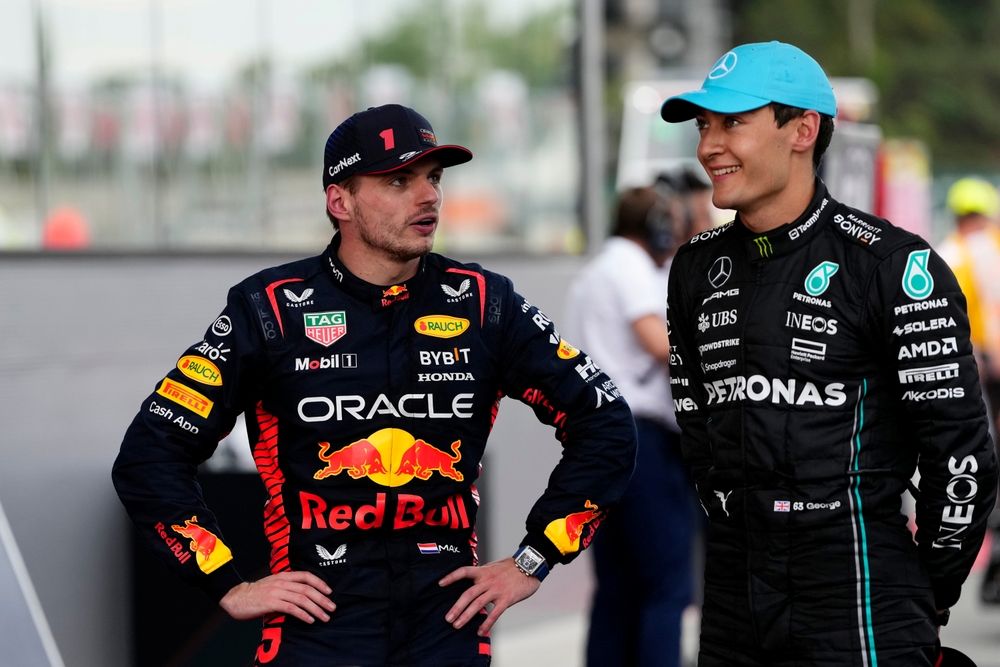
Red Bull interrupts virtual sessions of the new car after driver points out serious error in energy management

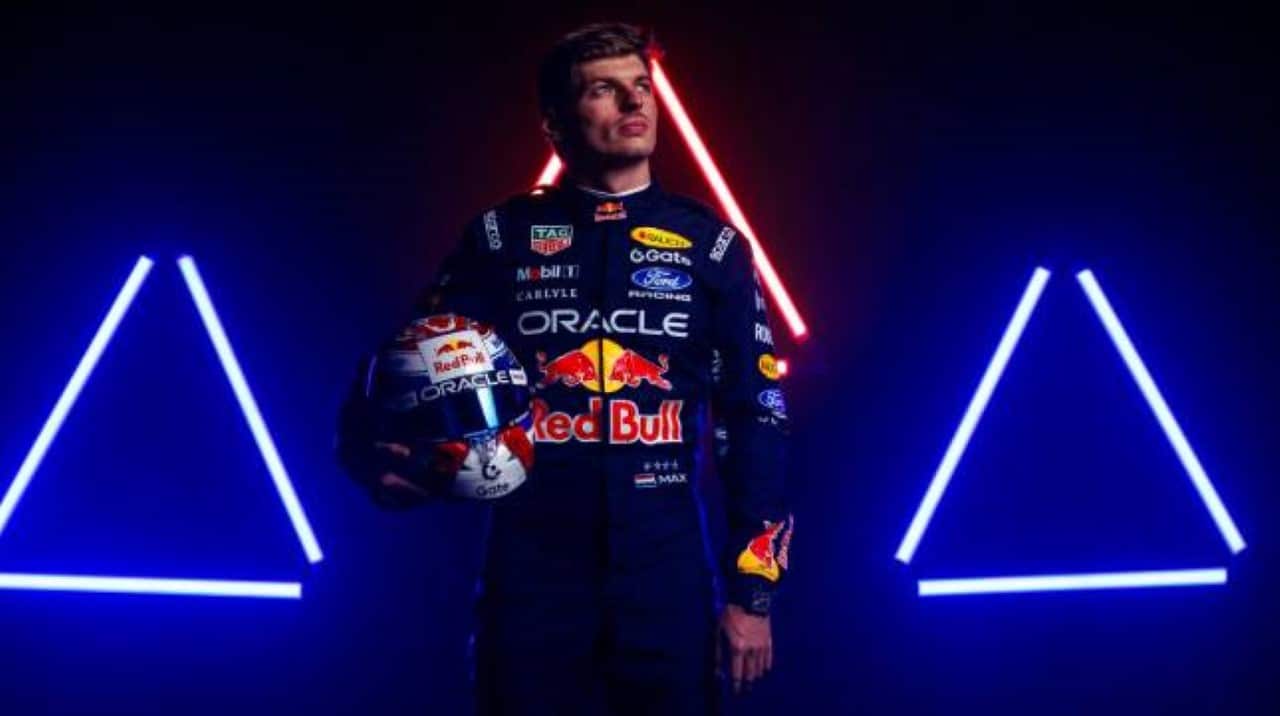
The dominant Fórmula 1 team took the strategic decision to temporarily suspend activities in its simulator aimed at developing the next generation car. The determination came after a series of virtual tests that revealed worrying inconsistencies in the vehicle’s dynamic behavior, especially with regard to drivability under the new technical standards. The decisive feedback came from the team’s lead driver, who classified the driving experience as impractical in current settings.
During the evaluation sessions, critical problems were identified in the interaction between the power unit and energy management on the straights. The car’s behavior required the driver to perform counterintuitive procedures to maintain the battery’s charge, which would severely compromise fast lap performance and the quality of racing on the track.

Milton Keynes engineers are now focusing their efforts on analyzing the data collected to understand how to adapt the project to the requirements of the regulation without sacrificing competitiveness. The pause in the virtual program serves as a clear indication that the transition to the new era of the category requires profound refinements before physical cars are produced.
Engineering challenges and new guidelines
The core of the problem lies in the radical reformulation of the power units, which will operate with a 50% split between internal combustion and electrical energy. Essa change aims to align the category with global sustainability demands, but creates unprecedented technical challenges for teams. The elimination of the MGU-H, a component that recovered energy from exhaust gases, forces the system to rely excessively on kinetic recovery and the 350 kW battery.
In the tests carried out, it was found that the battery ran out long before the end of the long straights, forcing the combustion engine to act only as a generator at certain times. Para To mitigate this sudden loss of power, the driver needed to downshift while still at high speed, a maneuver that destabilizes the car and completely deviates from high-performance driving standards.
In addition to the engine issue, the new technical package introduces complex concepts of active aerodynamics. Key changes include:
– Implementação movable front and rear wings to reduce drag.
– Aumento significant dependence on electricity for propulsion.
– Necessidade of a chassis that compensates for variations in engine torque.
The official aim of the changes is to make cars lighter and more efficient, but virtual reality suggests that the technology still lacks maturity. The risk of creating technically advanced vehicles, but with poor drivability, is a concern that now echoes in the factory corridors and alerts the responsible federation.
Impact on automakers and partnerships
The complexity of the new regulation not only affects immediate technical development, but also impacts the long-term commercial strategies of the large automakers involved. Red Bull Powertrains, in its strategic alliance with Ford, seeks to establish independence in engine manufacturing, a bold step that places the Austrian team in full manufacturer status.
The partnership with the American giant is essential for the development of the electrical part of the new power units. However, obstacles encountered in simulators put pressure on the component delivery and validation schedule. The ability to resolve these impasses will define whether the team will be able to maintain its hegemony in the new phase of the competition.
At the same time, the competitive scenario changes with the confirmation of Audi’s entry into the grid, taking over the operations of Sauber. The arrival of new manufacturers validates the commercial appeal of sustainability rules, but also intensifies the technological race. Todas the teams work under the same pressure to decipher the code of a regulation that promises to revolutionize the sport, but which, for now, presents more questions than answers.
Repercussions and necessary adjustments
The interruption of virtual work by Red Bull raises a warning signal for the entire category, as the team is a reference in aerodynamic and technical development. The widespread fear is that, without adjustments to the guidelines, Fórmula 1 could have cars that are fast in theory, but clumsy in practice, damaging the spectacle for the public and the safety of the drivers.
Managers and engineers work behind the scenes with Federação Internacional of Automobilismo to discuss possible adjustments to the regulation variables. The intention is to ensure that the search for energy efficiency does not override the essence of the competition, which is pure speed and the driver’s ability to get the most out of the equipment.
With the implementation deadline looming, the motorsport industry is closely watching the next steps. The solution to the energy management dilemma on the straights will be decisive for the success of the new generation of cars, defining whether the category will continue to be the pinnacle of automotive technology and global sports entertainment.