
Railway expansion project in Japan promises to facilitate access to Saitama Stadium by 2041 By Luís Henrique Costa
4 min read
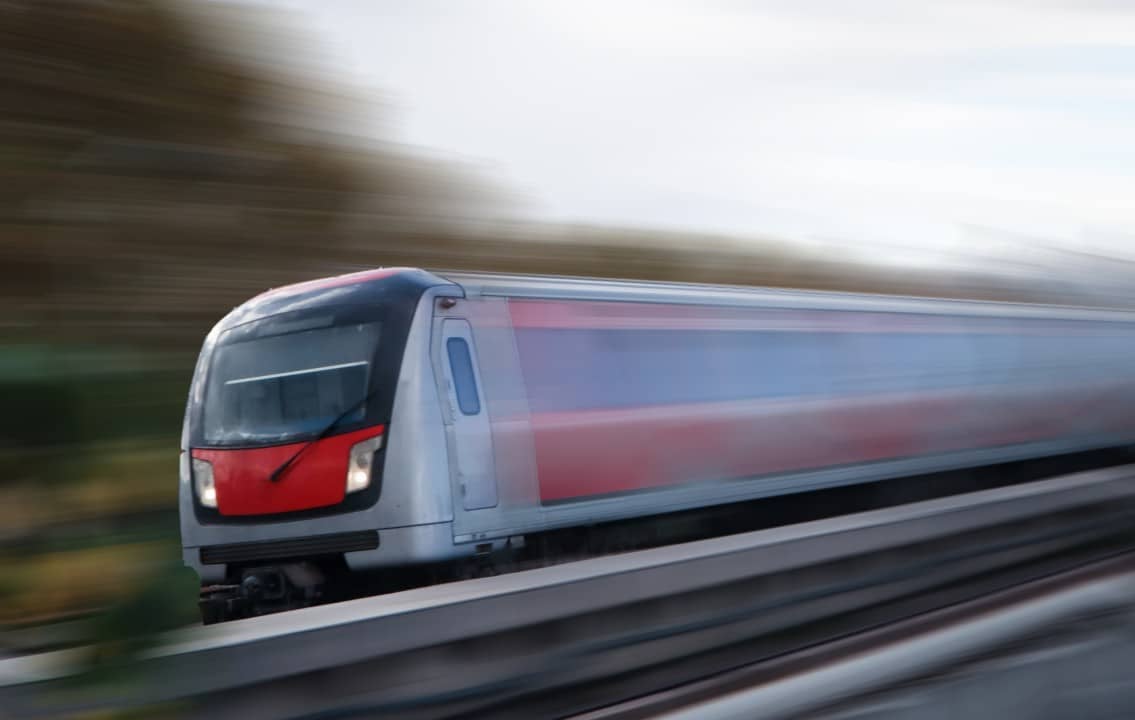 |
Authorities from the province of Saitama and representatives of the Japanese government have formalized a large-scale infrastructure project aimed at transforming urban mobility in the region of the country’s largest football stadium. The initiative focuses on the extension of Linha 7 from Ferrovia to Alta Velocidade, a project awaited for years by fans and local residents. The central objective is to resolve logistical bottlenecks that affect access to the venue on days of major sporting and cultural events, ensuring a more efficient and comfortable flow for thousands of people.
The Estádio of Saitama 2002, the iconic stage that gained worldwide fame during the Copa of Estudos technicians carried out to make the work viable indicate that the new infrastructure will not only serve as an isolated transport project, but as a vector of revitalization for the entire surrounding area. The proposal aims to integrate urban development with ease of access, creating a more connected and functional city model for the demands of the coming decades.
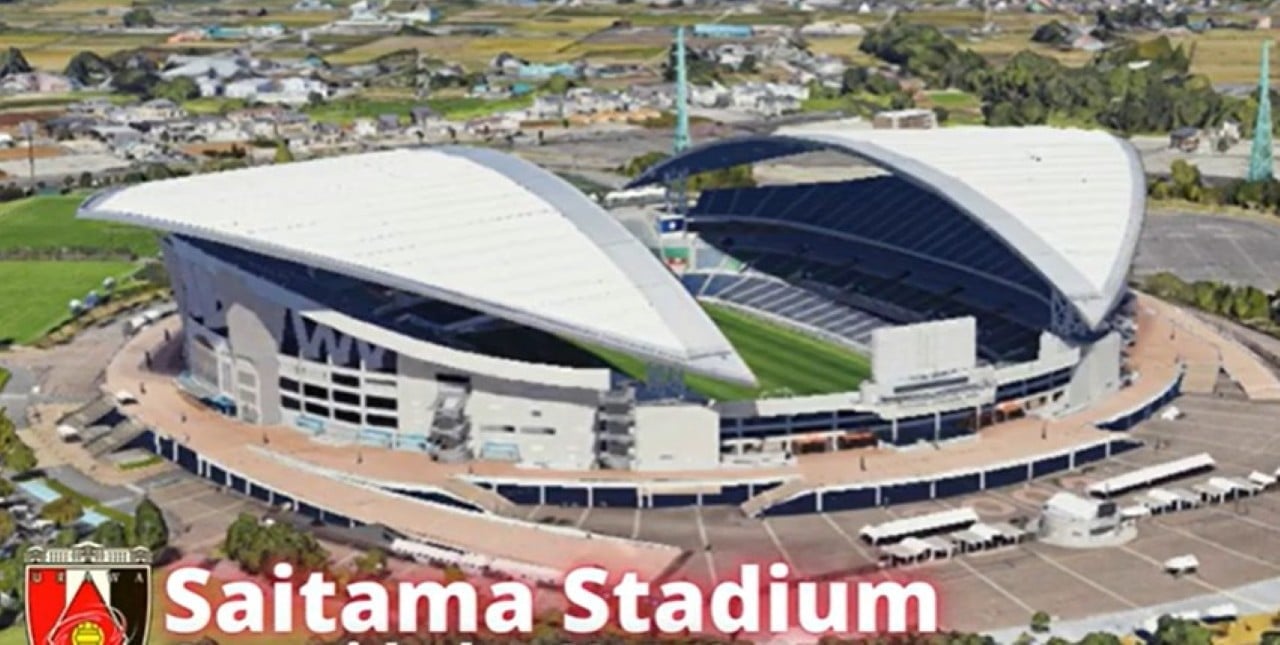
Currently, traveling between the nearest station and the stadium requires a walk of approximately 31 minutes, which represents a significant challenge for the elderly, families with children and people with reduced mobility. The implementation of the new railway line and station will reduce this time to just 15 minutes, cutting in half the effort required to reach the stands. Essa change is seen as key to maintaining the site’s attractiveness and ensuring it remains a vibrant center for national and international sport.
Billion-dollar investments and execution schedule
The financial planning for the completion of this project involves significant figures that demonstrate the priority given to the project by local and national administrations. The total cost of the work was estimated at 144 billion yen, a value that reflects the complexity of the engineering required to expand the railway network in an already densely occupied area. Análises of cost-benefit presented an index of 1.2, signaling that social and economic returns will exceed initial investments in the long term, validating the allocation of public resources.
The official schedule established by the authorities foresees the inauguration and start of commercial operations for April 2041. Engenheiros and project managers emphasize that safety and compliance with Japanese laws are priorities, requiring adequate maturation time for the infrastructure to meet expected quality standards.
Cost sharing will follow an expense-sharing model, involving government subsidies and local investments to ensure the project’s fiscal sustainability. Essa strategy aims to prevent the burden from falling on a single entity, distributing financial responsibility in an equitable manner. Approval of the budget and schedule marks an inflection point, transforming decades of discussions and outlines into a concrete commitment to the future of mobility in the Saitama region.
Sports legacy and urban transformation
The relevance of Estádio of Saitama transcends football games, being a symbol of the legacy left by Copa of With a capacity for more than 63,000 spectators, the venue is home to the Urawa Red Diamonds and regularly hosts matches for the Japanese national team, requiring impeccable logistics to avoid traffic collapse on game days. The new rail connection is the missing piece to align the transport infrastructure with the magnitude of the events that the stadium holds.
In addition to benefiting fans, the expansion of the rail line will bring direct improvements to residents who face frequent congestion caused by the influx of visitors. The efficient dispersal of the public after events, facilitated by the new station, promises to alleviate pressure on roadways and the bus system, resulting in a calmer and more organized environment for the local community. The expanded rail network will allow for a more balanced distribution of passengers, encouraging the use of public transport over individual transport.
The project also contemplates a long-term vision for territorial development, with the possibility of an additional extension of 7.5 kilometers towards the north in the future. Essa perspective opens doors for the emergence of new residential and commercial areas along the route, boosting the local economy. By investing in modernizing access to the stadium, Japão reaffirms its commitment to maintaining its sports facilities as valuable assets for society, ensuring that they remain functional and accessible for future generations.