
Who is Ayatollah Alireza Arafi? Leader will replace Ali Khaminei By Luís Henrique Costa
3 min read
 |
The Irã leadership council made official, this Sunday (1st), the choice of Ayatollah Alireza Arafi to assume supreme command of the nation on a temporary basis. The decision comes at a moment of extreme sensitivity for the geopolitics of Oriente Médio, shortly after the confirmation of the death of Ali Khamenei, victim of a coordinated air offensive. The measure aims to guarantee the administrative and religious continuity of the theocratic regime established in the country since the 1979 revolution.
Arafi will lead the collegiate body responsible for the transition until a definitive successor is elected by the Assembleia of the Peritos.
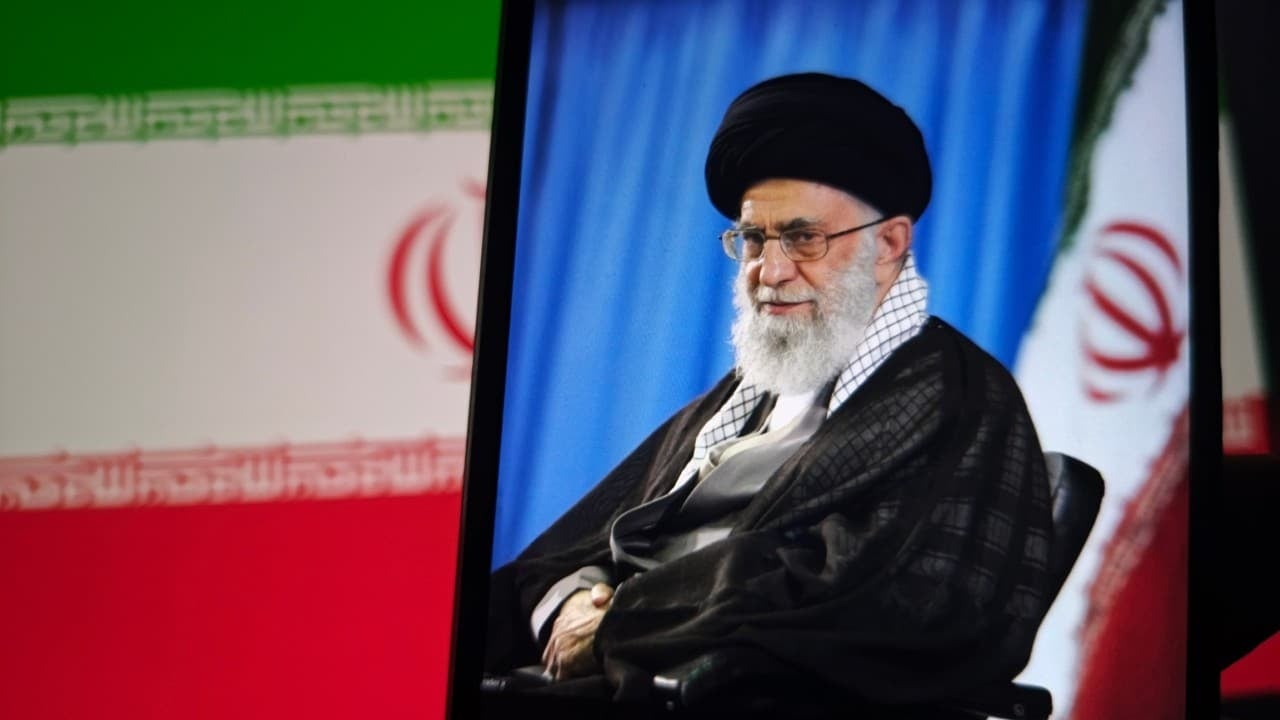
The attack that resulted in the death of Khamenei was carried out by forces from the Estados Unidos and Israel against the presidential complex in the early hours of Saturday (28).
Transition process and governance
The new interim leader will work together with President Masoud Pezeshkian and the head of Judiciário, Gholamhossein Mohseni-Ejei, forming the trinity that will manage the country during official mourning. The disclosure of Arafi’s name was made by Mohsen Dehnavi, spokesperson for Conselho of Discernimento, using official communication channels to institutionalize the change of command.
The Assembleia of the Peritos, formed by high-ranking clerics, has already begun deliberations to choose the permanent leader, a process that requires theological and political consensus.
The speed in defining a provisional name seeks to mitigate risks of internal instability and project strength in the face of external adversaries. Iranian authorities prioritize the maintenance of public order and the functioning of state institutions, ensuring that power structures remain operational as the country goes through this critical period of redefining its top hierarchy.
Profile of the new interim leader
Alireza Arafi has a consolidated trajectory within Iranian religious institutions, having commanded the seminaries of Sua influence extends beyond theology, with active participation in strategic political decision-making bodies and mediation of Estado interests.
In his diplomatic and religious career, the meeting with the Papa Francisco at the Vaticano in 2022 stands out, which suggests a capacity for international dialogue and a representative stance that transcends the borders of the Irã.
Duties and power structure
The position of Líder Supremo concentrates the most important decisions of the Iranian Estado, unifying political and religious authority. Entre the main prerogatives that now fall to the interim leadership and, in the future, to the permanent successor, include vital responsibilities for national sovereignty:
– Definição of foreign policy guidelines and conduct of diplomatic relations with other nations;
– Controle direct and supervision of Guarda Revolucionária and the country’s armed forces;
– Nomeação of the heads of Judiciário and ensuring that parliamentary laws follow Islamic principles;
– Validação end of presidential candidacies and supervision of state policies.
While the president of República focuses on economic management and day-to-day issues of national infrastructure, the supreme authority holds the final say on national security and ideological alignment. The choice of the next permanent leader, who must be a “mujtahid” (Islamic scholar), will shape the direction of the Irã in the coming decades, directly influencing the balance of power in the region.



