
Automotive market records record Tesla Model Y sales and growth in Asian hybrids By Maria
6 min read
 |
The end of the 2025 fiscal year confirmed a profound transformation in the global automobile industry, with crossovers consolidating themselves as the preferred category of consumers on all continents. Consolidated data indicates that the search for vehicles that combine the robustness of sports utility vehicles with the efficiency of compact models has reached historic levels. Nesse competitive scenario, electrical technology and mechanical reliability were the main game changers in families’ purchasing decisions.
Global leadership remained in the hands of Tesla, which managed to keep the Model Y at the top of the sales ranking, surpassing historical rivals powered by combustion and new hybrid options. The performance of the North American electric model symbolizes the acceleration of the energy transition, especially in mature markets such as Europa and China, where charging infrastructure has expanded considerably.

Just behind the electric leader, Japanese automakers have demonstrated resilience and commercial strength. The Toyota and Honda secured prominent positions on the podium, proving that the demand for hybrid and combustion engines remains extremely strong. The fierce competition between propulsion technologies has shaped market behavior, offering a diverse range of options ranging from full battery autonomy to the energy efficiency of modern thermal engines.
Hegemony of Tesla and sector numbers
Tesla Model Y ended the period with a market share of 2.5%, a notable achievement in a fragmented and highly competitive sector. Embora registered a negative fluctuation of 9.4% compared to the previous cycle, the total sales volume surpassed the mark of 1.2 million units. The automaker’s ability to sustain this leadership is largely attributed to the vehicle’s range, which exceeds 500 km on a single charge, eliminating range anxiety for many drivers.
The strategy of remote software updates, known as over-the-air, allowed the vehicle to remain technologically updated without the need for physical interventions in workshops. Esse feature, coupled with an advanced autopilot system, has created an ecosystem of loyalty among owners. Nos Estados Unidos and China, the massive presence of superchargers was essential to maintain the pace of registrations.
Market analysts note that, even with the percentage reduction in market share, Tesla managed to defend its position against a wave of new Chinese and European competitors. Native integration with digital platforms and real-time navigation applications continues to be a differentiator that attracts younger and more connected audiences.

Performance of Japanese rivals
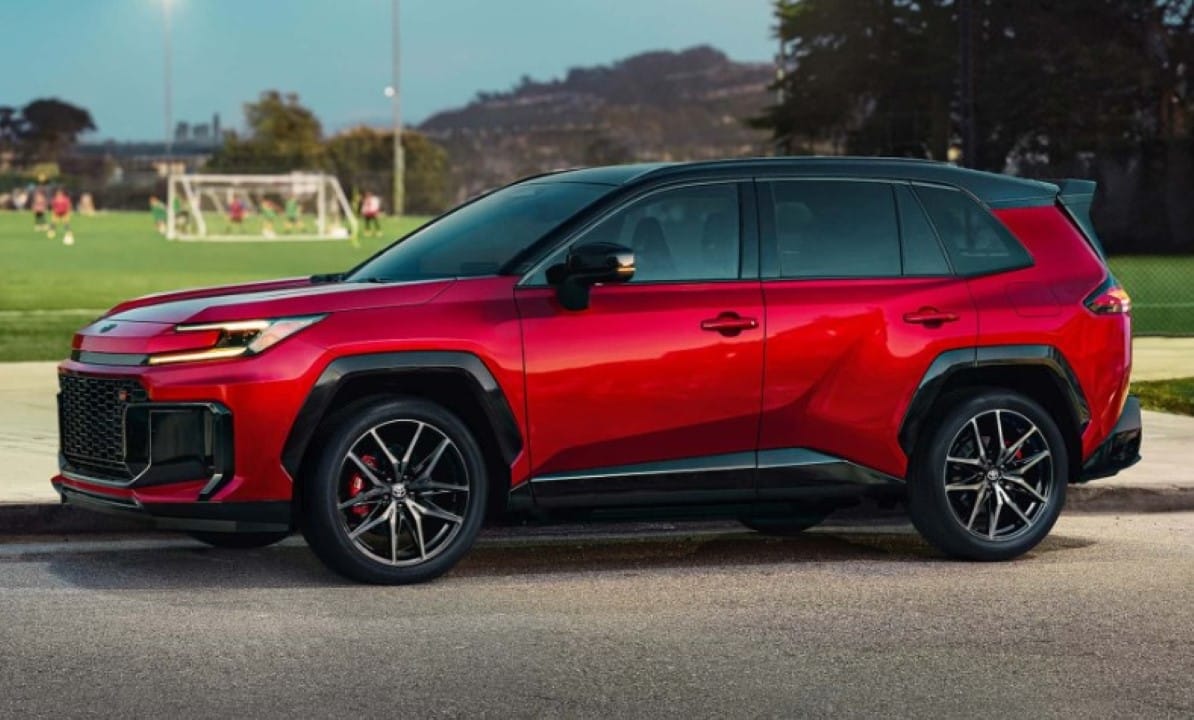
Toyota secured second place globally with the RAV4, which obtained a 2.4% share of total sales in the category. The Japanese model continues to be the reliability reference for millions of consumers, especially in the Ásia and América of the Norte. The availability of efficient hybrid versions was crucial to maintaining sales volume above 500,000 units in the Asian market alone, where emissions regulations are increasingly strict.
The Honda CR-V occupied third place, with a share of 1.7% and a sales volume that reached 800 thousand units globally. The success of the CR-V lies in its value proposition focused on practicality and internal space, essential features for urban family use. The introduction of driving assistance technologies and the optimization of fuel consumption on highways have reinforced the model’s attractiveness in emerging markets.

Both Japanese models benefited from the hesitation on the part of consumers to switch completely to electric vehicles, positioning themselves as safe alternatives with high resale value. The mechanical durability of these brands continues to be a powerful intangible asset in the purchasing decision.
Rise of South Korean brands
The Hyundai-Kia group demonstrated strength by placing its main crossovers in prominent positions in the top 10. The Hyundai Tucson recorded a 3.2% growth in its sales, rising to fourth place in the world ranking. The bold design and focus on connectivity were the pillars of this expansion, attracting a consumer profile that seeks aesthetic innovation combined with extended warranties.

The Kia Sportage secured sixth place, maintaining stable sales thanks to its versatility. The model is often praised for its ability to tackle light off-road terrain and the ergonomics of its interior. The South Korean brand’s aggressive pricing strategy has allowed the Sportage to compete directly with models from higher categories in several markets.
The Coreia do Sul automotive industry has invested heavily in improving the perception of quality of its interiors and in offering standard technology packages, which has forced traditional competitors to review their equipment lists.

European scenario and the premium segment
On the European continent, Volkswagen managed to advance with the Tiguan, which showed a 2% growth in regional sales. The German model has benefited from upgrades to its engines to comply with Euro 7 environmental standards, as well as offering a robust active safety package, including automatic braking and pedestrian detection. The Tiguan remains one of the primary choices for European families who require a versatile vehicle for dense cities and weekend trips.
In the luxury segment, the Mercedes-Benz GLC surprised with a 10% increase in sales in the Europa. Esse data indicates that, despite economic uncertainties, consumers with high purchasing power continue to invest in vehicles that offer superior comfort, all-wheel drive and status. The GLC’s sales performance reflects a trend towards more refined driving experiences within the crossover category.
Surprise in the growth of Chevrolet Equinox
One of the statistical highlights of the year was the performance of Chevrolet Equinox, which jumped to ninth position globally after recording a significant increase of 31.5% in sales. The North American model capitalized on the demand for spacious and affordable vehicles, especially in the Américas.
The renewal of the line, which included more economical engines and an updated infotainment interface, put the Equinox back on the radar of middle-class families. General Motors’s strategy of offering a product with excellent cost-benefit and full compatibility with smartphones proved to be successful, recovering ground lost in previous years.
Additionally, the gradual introduction of electrified versions of the Equinox has begun to pave the way for the brand’s customer base to transition, offering a more affordable gateway to sustainable mobility compared to premium rivals.
Market dynamics and consumer preferences
A análise do comportamento de compra em 2025 revela que a versatilidade é o atributo mais valorizado globalmente. Crossovers have managed to effectively replace both midsize sedans and minivans, offering the driving height desired by drivers and the fuel economy needed for everyday life. The expansion of hybrid and electric options has only accelerated this dominance, removing the high consumption barrier that previously penalized SUVs.
Other models that made up the ranking, such as the Honda HR-V and the Mazda CX-5, served specific niches. The HR-V focused on compactness for the chaotic urban traffic of large cities, while the CX-5 maintained its loyal fan base through sportier and more engaging driving dynamics, characteristic of the Mazda’s engineering.
The global crossover market generated revenues estimated at hundreds of billions of dollars, driving a complex and globalized supply chain. Projections indicate that the share of electric vehicles should continue to grow, reaching 30% of the sales mix in the next two years, driven by government incentives and the reduction in the cost of batteries.


