
US and Iran declare themselves ready for prolonged war in the Middle East with ammunition stocks in focus

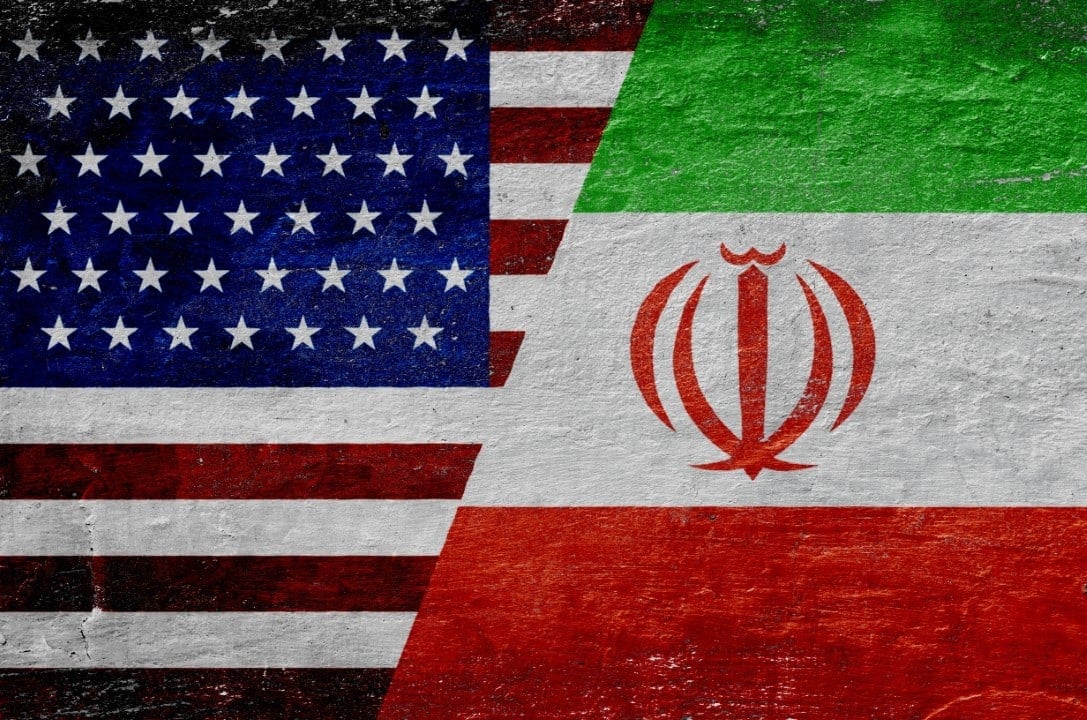
The Estados Unidos and the Irã stated this Monday that they were prepared for a prolonged conflict in the Oriente Médio. Autoridades military personnel on both sides highlighted the ability to sustain operations over time, while analysts point to concerns about the durability of ammunition arsenals. Ataques with missiles occurred in the last three days in the region, with salvos piercing the skies and causing casualties on both sides.
The American Secretary of Defesa, Pete Hegseth, described the operation as a clear mission to destroy missile threats, neutralize the Iranian navy and prevent the development of nuclear weapons. Ele emphasized that the campaign will not last indefinitely and that the duration depends on achieving the established objectives. General Daniel Caine, head of Estado-Major Conjunto, admitted that the actions require additional time and that losses among American troops are expected, with efforts to minimize them.
Irã rejected proposals for immediate negotiations with Washington. The head of the Iranian Conselho Segurança Nacional, Ali Larijani, declared that the country has specifically prepared for a long war and that it will not accept dialogue as long as hostile actions continue. Autoridades in Teerã maintained the retaliatory position until the opponents retreated.
Military statements highlight preparedness for extended confrontation
Authorities in Washington and Teerã coincided in signaling readiness for longer duration operations. Pentágono reported that military objectives require continued actions on Iranian territory.
Irã reinforced its prolonged resistance strategy. Analistas observe that both sides seek to project strength amid active confrontation.
Concerns about ammunition stocks affect strategies
Military analysts indicate that the Estados Unidos face wear on anti-aircraft interceptors due to the high volume of use in recent clashes. Baterias of air defense may be exposed if replacement does not keep up with consumption.
The Irã adopts gradual firing to maintain constant pressure. However, ballistic missile stocks remain limited following significant losses in previous conflict.
Experts highlight the imbalance in the cost of defending against saturation attacks. Expensive Interceptadores are used against more affordable projectiles, accelerating the depletion of reserves.
Casualties and damage accumulated in recent days
The Estados Unidos recorded the fourth death among military personnel and the loss of three planes in the Kuwait due to friendly fire. Operações airways continue to have established superiority over Iranian airspace.
Irã reported 555 deaths, according to estimates from Crescente Vermelho. Israel counted nine victims in recent Iranian bombings.
- Iran launched between 150 and 175 missiles against Israel in recent episodes.
- Additionally, approximately 250 missiles were fired at targets in Golfo.
- Half of Iran’s missile arsenal was destroyed in a 12-day clash last June.
Air operations and reinforcement shipments
The Estados Unidos mobilized additional resources for the region. Air superiority allows you to pursue actions that pose less risk to your forces.
Coordinated attacks with Israel aim to neutralize ballistic capabilities. The conflict involves multiple fronts, including responses from regional allies.
Iran maintains continued retaliatory stance
Iranian authorities say that defensive actions will continue until the aggression ends. The rejection of immediate talks reinforces the focus on military support.
Projectile dosing strategies aim to prolong the pressure. Replenishment of arsenals after previous losses remains uncertain.
Escalation context on Oriente Médio
The current confrontation follows coordinated attacks on targets in Irã in late February. Retaliações involve ballistic missiles and drones heading towards Israel and bases in Golfo.
The death of Ayatollah Ali Khamenei in previous actions has intensified promises of revenge. Irã classifies your responses as self-defense.
Estreito of Ormuz records interruptions in maritime traffic. Armadores suspended routes, impacting global energy flows.
Impacts on markets and regional logistics
Oil prices Brent rose about 10% in response to the tensions. Opep+ announced an increase in production to mitigate volatility.
Flights were canceled due to airspace closures. Uncertainty affects supply chains in the region.
The conflict exposes logistical vulnerabilities on both sides. Sustainability directly depends on ammunition replacement capacity.



