
House Committee Questions Bill Clinton in Secret Session About Travels with Jeffrey Epstein By Luís Henrique Costa
5 min read
 |
Comitê of Supervisão of Câmara of Representantes of Estados Unidos held a closed-door hearing this Friday, February 27th, summoning former president The main focus of the session was a detailed analysis of her travel history and the nature of her relationship with financier Jeffrey Epstein, a central figure in a vast sex trafficking scheme. The initiative is part of a broader legislative effort to investigate possible cover-ups and the extent of connections between the political and financial elite and the illicit activities operated by Epstein.
The summons marks a significant moment in investigations that seek transparency about the networks of influence that allowed the scheme to operate for years. Parlamentares seek to understand whether there was negligence or institutional protection that favored the impunity of powerful figures mentioned in court documents and flight records. The hearing comes at a time of intense public pressure for definitive answers about the case that shook the power structures in Washington and Nova York.
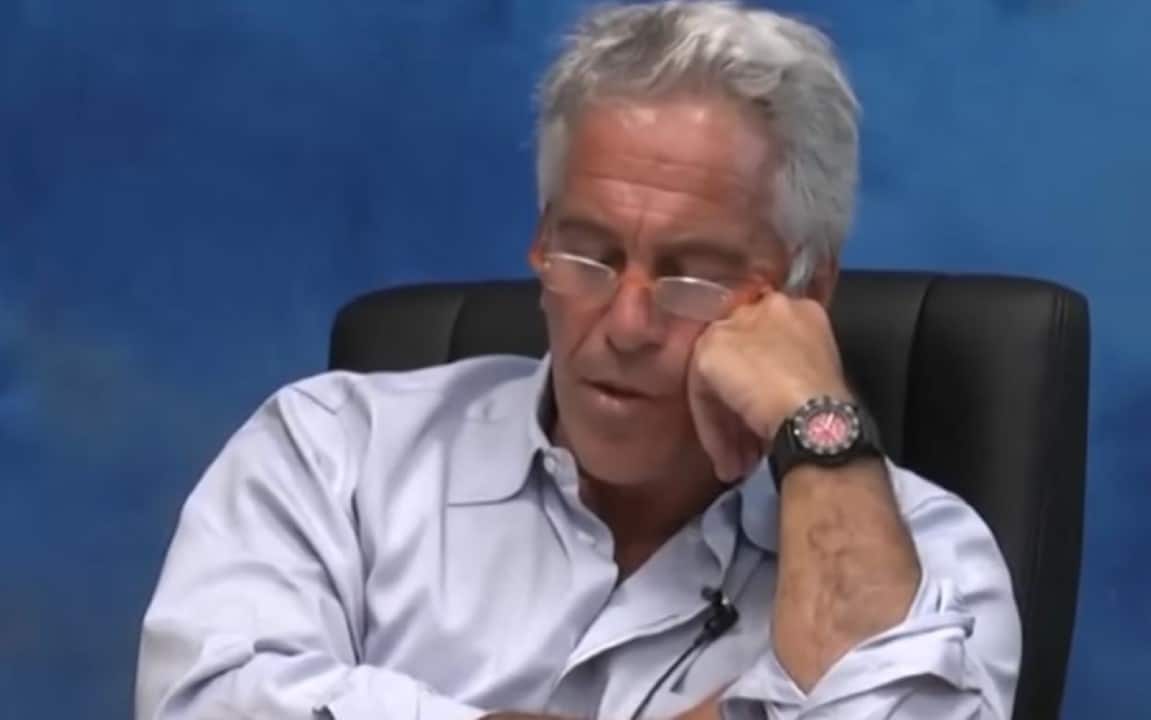
During the procedure, which lasted for hours, documents and specific questions were presented about the frequency of meetings between the former president and the financier. The parliamentary investigation aims not only to clarify past facts, but also to determine whether there are gaps in current legislation that facilitate sexual exploitation and human trafficking by individuals with a high economic profile. The confidentiality of the session was justified by the need to protect sensitive information and guarantee the integrity of other lines of investigation still underway.
Clinton’s defense maintains the position that the former president had no knowledge of Epstein’s criminal activities and that his interactions were limited to the scope of philanthropic activities. However, the committee’s persistence in holding this hearing signals that the Congresso considers the previous explanations to be insufficient in light of the new evidence and documents that have recently become public, requiring more rigorous scrutiny under oath.
Detailed analysis of flight records
One of the central points of the inquiry revolved around the flight records of Epstein’s private jet, known infamously as “Lolita Express”. Investigações forensic logbooks indicate that Bill Clinton used the aircraft on at least 16 separate occasions. The committee focused its efforts on mapping the purpose and companions of these trips, looking for contradictions or new elements that had not been explored in previous inquiries.
The trips in question mostly occurred between 2002 and 2003, a period in which the former president undertook extensive tours of África and Ásia countries. The official narrative presented by the Clinton team has always maintained that such displacements were strictly linked to Fundação Clinton’s humanitarian missions, focused on combating AIDS and global economic development. Contudo, lawmakers questioned the appropriateness of using logistical resources from an individual already embroiled in controversy for official purposes.
- Travel frequency: Registros indicate multiple international and domestic trips aboard the private aircraft.
- Destinations investigated: The focus is on stopovers at Europa, Ásia and África, as well as visits to the residence of Epstein at Ilhas Virgens.
- Company on board: The committee analyzes the passenger list to identify whether victims or groomers were present on the same flights.
- Nature of meetings: Busca-differentiate official agendas of the foundation from private social meetings.
In addition to the flights, the investigation addressed documented visits to Epstein’s residence in Nova York and his private island in Caribe. The investigators’ insistence on revisiting specific dates and locations suggests the committee may have access to cross-referenced data that defies memory or public records provided to date. The detailed analysis of these movements aims to establish a pattern of behavior and proximity that goes beyond mere casual encounters between donor and philanthropist.
Political context and previous statements
Estado Hillary Clinton’s former secretary had previously provided statements, seeking to clarify the couple’s position regarding the accusations and rumors. In her statements, she reinforced the thesis that the relationship with Epstein was superficial and focused on fundraising for charitable works, a common practice among politicians and large donors at the time. The defense’s strategy has been to separate the image of the Clinton from sexual crimes, classifying attempts at association as politically motivated maneuvers.
Within the committee, the partisan divide is evident. Membros of Partido Republicano lead the offensive, arguing that justice must be blind and reach all levels of the executive, regardless of political legacy. Eles maintain that the time that has passed since the crimes does not eliminate the need for clear answers about the degree of knowledge that the former president had about Epstein’s predatory behavior. The pressure is on so that there are no doubts about the ethical conduct of former national leaders.
On the other hand, Democratic allies and close advisors classify the hearing as a reheated “witch hunt”, designed to generate negative headlines and erode the party’s image. Argumentam that Clinton has collaborated with authorities in the past and that the excessive focus on political figures diverts attention from the true perpetrators and the systemic failure of intelligence and justice agencies that allowed Epstein to operate with impunity for decades.
Developments in federal investigations
The hearing comes in the wake of the release of thousands of pages of sealed court documents, which brought to light the names of dozens of associates of Epstein. Embora the mention in documents does not constitute proof of a crime, the transparency forced by the courts generated a new wave of public and media scrutiny. Congresso, reacting to this social demand, uses its supervisory powers to ensure that Departamento of Justiça has not acted leniently in past investigations involving high-ranking profiles.
Legal experts point out that, although it is unlikely that direct criminal charges will arise against the former president based solely on these testimonies, political and moral erosion is inevitable. The contradiction between the image of a global statesman and the association with a convicted sex offender continues to be a point of vulnerability. The committee is expected to prepare a final report in the coming weeks, which could recommend new guidelines for interaction between public agents and private donors, aiming to prevent conflicts of interest and compromising associations in the future.



