
US military attack on Iran generates pressure on Xi Jinping on the eve of summit with Trump

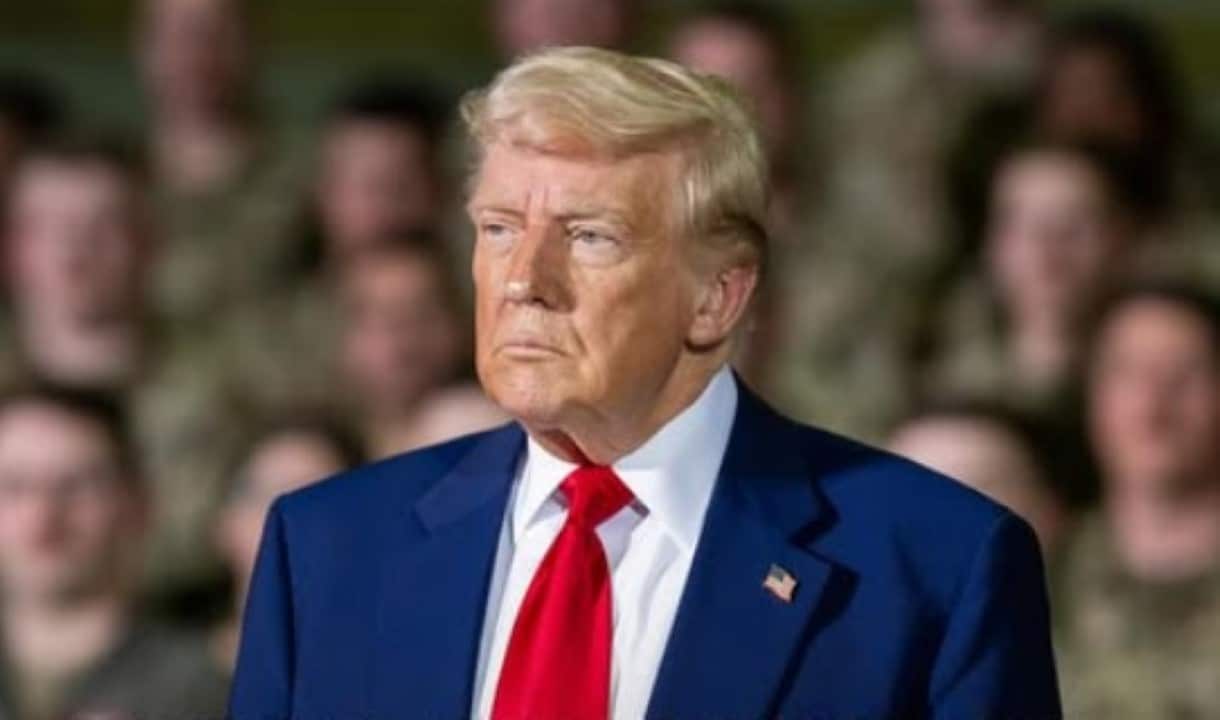
The Estados Unidos and Israel carried out military strikes against targets in Irã that included the underground uranium enrichment plant in Natanz. Agência Internacional of Energia Atômica confirmed recent damage to the facility’s entrance buildings based on updated satellite imagery. Essas shares also hit interests in Venezuela, the main oil supplier to China alongside Irã. President Donald Trump indicated that operations could extend for approximately four weeks. China, the world’s largest buyer of Iranian oil, condemned the attacks as unacceptable and called for immediate restraint from all parties involved. Pequim has not yet officially confirmed the schedule for Trump’s visit scheduled for March 31st to April 2nd. Especialistas point out that the Chinese reaction has remained limited so far. The current situation has reversed initial expectations for the bilateral meeting, which would have trade as its main focus.
The spokesperson for Ministério of Relações Exteriores of China, Mao Ning, stated that the country will take necessary measures to protect its energy security.
Among the aspects highlighted by Chinese authorities are the following:
- Guarantee of stable energy supply for the global economy.
- Opposition to the use of force that violates the sovereignty of other countries.
- Constant monitoring of impacts on maritime import routes.
Agência Internacional of Energia Atômica further detailed that no radiological consequences are expected from the damage in Natanz. The installation had already been severely affected in a previous conflict that occurred in June last year. The confirmation came after an Iranian statement on the attack on Sunday and an analysis by a US think tank published on Monday. Nenhum additional impact was detected in the main part of the fuel enrichment plant.
🚨URGENT – Teerã, capital of Irã, is under strong attack from the USA and Israel right nowpic.twitter.com/wr6D0LwqMr
— SPACE LIBERDADE (@NewsLiberdade)March 3, 2026
Chinese reaction to American military actions
China expressed firm opposition to the use of force in international relations. The government called on all parties involved to ensure stable energy supplies for the benefit of the global economy.
Spokeswoman Mao Ning reinforced during a regular press conference that Pequim will adopt the necessary measures to ensure its own energy security. Essa statement came directly in response to inquiries about possible effects of the attacks on Venezuela and Irã.
Damage confirmed at Iranian nuclear facility
The underground fuel enrichment plant at Natanz had its entrances hit during the coordinated attacks. The facility represents one of three uranium enrichment units in operation at Irã prior to recent events.
Agência Internacional of Energia Atômica used more recent satellite imagery to confirm localized damage. Especialistas observe that the main structure of the plant already suffered serious damage from a previous conflict.
No radiological leaks were projected by international nuclear monitoring authorities. The conclusion coincides with an independent assessment released by a North American institute the day before.
Chinese dependence on Iranian oil
China imports 13.4 percent of its seaborne oil from Irã, making it the world’s largest buyer of this source. Qualquer prolonged disruption, especially in the Estreito of Ormuz, could generate immediate pressures on prices and the domestic industry.
Analysts indicate that diversifying sources would help in the longer term, but the short term exposes clear vulnerabilities. The country is already facing additional pressure on manufacturing costs resulting from fluctuations in the global energy market.
Restricted position of Pequim in the face of American offensives
Official Chinese reaction has been limited to statements of condemnation and calls for restraint without concrete retaliatory measures so far. Especialistas attribute this stance to the reduced space of influence that Pequim has over ongoing military operations.
Former US Ambassador Nicholas Burns noted that current behavior demonstrates China’s limitations as a reliable partner for authoritarian allies. Casa Branca avoided direct comments on possible changes to the bilateral summit agenda.
Real risks to Chinese energy supply
The ongoing offensive exposes practical and symbolic risks for China’s energy strategy. The country relies heavily on vulnerable shipping lanes that could be affected by escalation in Golfo Pérsico.
Authorities in Pequim closely monitor the possibility of blockages or outages that increase internal costs. The American ability to project global power reinforces the perception of strategic pressure on Chinese interests in the region.
Experts such as Professor Zhao Minghao, from Universidade Fudan, highlight that actions against Irã and Venezuela could change the balance of power in the international energy market. Professor Zha Daqiong, from Universidade from Pequim, states that Pequim does not feel compelled to offer material support to Irã.
Expert analysis of the scenario
The attack and the possibility of regime change in Irã directly affect Chinese interests according to international relations analysts. American dominance over the energy market could generate additional pressure against Pequim on multiple fronts.
Experts note that China maintains its distance and assigns responsibility for developments in Oriente Médio to Estados Unidos. Essa narrative reinforces the image of Washington as an agent of regional instability.
The absence of Chinese material support for Irã during operations indicates cautious strategic calculation on the part of Pequim. Analistas predict that the focus will remain on protecting trade routes without direct military involvement.
Measures to ensure energy security
China reaffirmed its commitment to taking all necessary actions to preserve its energy supply. The government emphasizes the importance of global stability in this sector to avoid impacts on the world economy.



