
Iran-US war expands beyond the Middle East and most Americans condemn attacks

The conflict involving Estados Unidos, Ataques coordinated by American and Israeli forces began on February 28 against Iranian facilities, triggering missile and drone responses that hit U.S. bases in Iraque, Síria, Arábia Saudita and other allied countries. Pesquisas of opinions released in recent days show that the majority of the American population rejects the country’s participation in the offensive, especially due to the lack of prior authorization from Congresso.
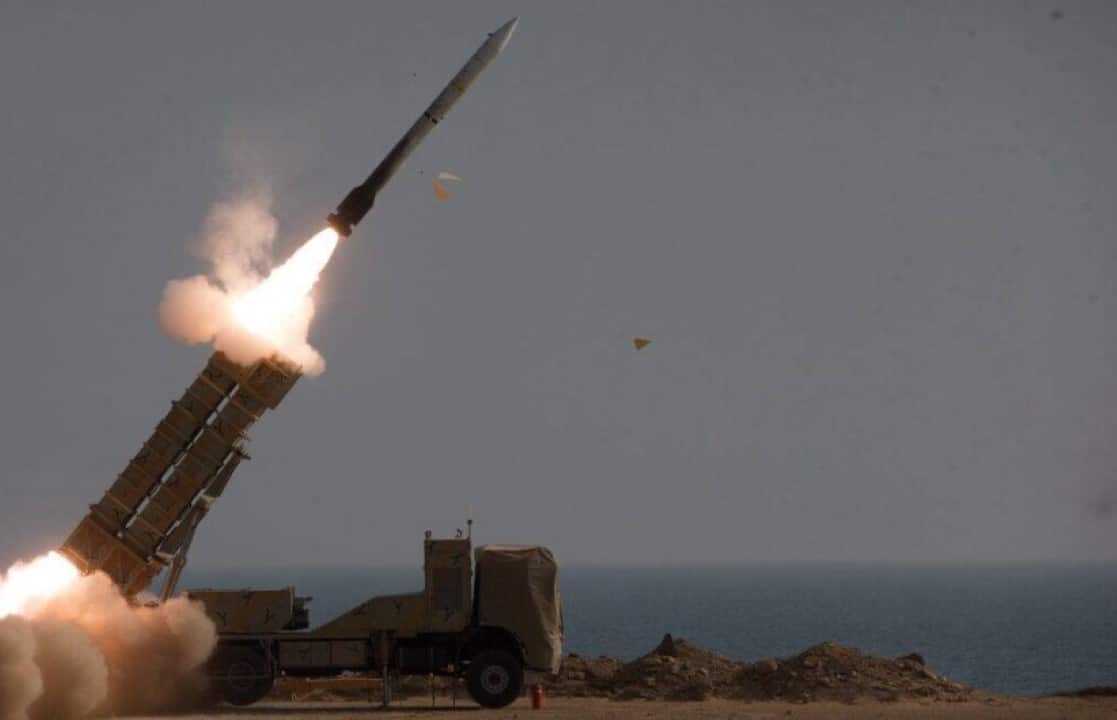
President Donald Trump defended the actions as necessary to prevent the advancement of Iran’s nuclear program and the proliferation of long-range ballistic missiles. Bombardeios air and ship-launched cruise missile attacks on Golfo Pérsico destroyed dozens of strategic targets at Teerã, Isfahan, Natanz and other locations. The Irã retaliated with salvos of ballistic missiles and kamikaze drones, expanding the scope of operations and raising fears of a larger-scale regional war.
Anti-war demonstrations have taken place in several American cities since the attacks began. Centenas of people gathered in public squares in Los Angeles, Chicago, Washington and Nova York, demanding an immediate end to the military intervention and a return to diplomatic dialogue. Cartazes with phrases such as “Not in our name” and “Stop the war now” dominated the streets, while organizers highlighted the high human and financial cost of the conflict.
Reactions from the American population
Surveys carried out by independent institutes between March 2 and 4 reveal that around 62% of Americans disapprove of the offensive against Irã. Apenas 28% support military action, while the rest declare themselves undecided or without an opinion. Rejection is even greater among independent voters and young people between 18 and 34 years old.
Protests gained strength in the last 48 hours, with temporary closures of main avenues in some state capitals. Police recorded few arrests and most demonstrations passed peacefully. Líderes community and human rights organizations ask that Congresso convene public hearings to debate the legality of the operation.
Popular dissatisfaction also appears on social networks and in online petitions that have already gathered hundreds of thousands of signatures. Muitos citizens express concern about the risk of nuclear escalation and the economic impact that war could have on American families.
Conflict expansion beyond Oriente Médio
Military operations have already registered impacts in countries far from the epicenter of the conflict. Relatos confirm attacks or incidents in Chipre, Turquia, Azerbaijão, Essas expanded actions raise fears of involuntary involvement by neutral nations.
The Irã mobilized allied militias in the Iraque and Síria for coordinated attacks against American bases. Explosões hit installations in Erbil and Bagdá, causing material damage and injuries to military personnel. The partial closure of Estreito of Ormuz by Iranian ships threatens oil traffic, raising global barrel prices.
American and Israeli forces maintain air control in several regions of Irã, but face resistance from modernized Iranian anti-aircraft systems. The Irã’s responsiveness surprised analysts, who expected a faster collapse of the country’s defense infrastructure.
Reported deaths and damage
The preliminary balance indicates more than 1,400 confirmed deaths, the majority being civilians in Iranian urban areas hit by bombings. Em Teerã, residential buildings and hospitals near military targets suffered severe damage, complicating medical care.
The elimination of supreme leader Ali Khamenei in the first days of the offensive destabilized the Iranian chain of command. The regime announced emergency measures for succession, but the lack of internal consensus creates uncertainty about the continuity of defensive operations.
American bases in Golfo face constant attacks, with reports of partial destruction of hangars and fuel depots. The conflict also affects critical infrastructure in neighboring countries, increasing the number of displaced and injured people.
American government position
President Trump announced new waves of attacks and assured that the armed forces have sufficient ammunition and resources to maintain the pressure. Declarações officials emphasize that the primary objective remains the complete decommissioning of Iranian nuclear facilities.
Military command reported that more than 1,200 targets had been neutralized since the start of the operation. A estratégia inclui ataques cibernéticos combinados com bombardeios convencionais para enfraquecer a capacidade de comando e controle do Irã.
Democrats in the Congresso criticize the decision to act without a formal declaration of war or specific authorization. Líderes from the opposition demand detailed reports on the financial costs and plans for exiting the conflict.
Economic and diplomatic impacts
The threat to Estreito of Ormuz has already caused an 18% increase in the price of oil in the last five days. Países importers of Ásia and Europa closely monitor the risks to the global energy supply.
Leaders of União Europeia, China and Rússia call for an immediate ceasefire and resumption of multilateral negotiations. China maintains a stance of non-military intervention, but offers mediation to reduce tensions.
The conflict exposes divisions in the UN’s Conselho, where proposed resolutions face expected vetoes. Analistas warn of the risk of nuclear proliferation if Irã accelerates its program in response to the attacks.



