
Mitsubishi unveils hybrid Xforce with record consumption of 24 km per liter and aims for global leadership By Luís Henrique Costa
2 min read
 |
Mitsubishi Motors officially launched a new electrified variant for its compact sports utility vehicle, reinforcing its presence in the competitive Asian market with a total focus on efficiency. The newly presented model integrates an advanced propulsion system that combines combustion engine and electric technology, specifically designed to meet the demands for more economical vehicles with lower pollutant emissions in the region.
Technical specifications and performance
The heart of this new SUV is a 1.6 gasoline engine that works together with a high-voltage electrical system, resulting in a combined power capable of delivering agility in urban traffic and robustness on roads. The major technical difference announced is the impressive fuel economy, with tests indicating that the vehicle can reach 24.4 kilometers per liter, establishing a new level of efficiency for the category.
The 1.1 kWh battery, although compact, plays a crucial role in energy management, allowing the car to operate in all-electric mode in low-speed situations or during maneuvers. The system automatically manages the alternation between engines, prioritizing the use of electricity to reduce consumption and ensuring that torque is instantly available when the driver needs to overtake or quickly restart.
Technology and driving dynamics
To guarantee the stability and comfort characteristic of the brand, the model uses e:Motion technology, which adjusts force distribution and accelerator response according to road conditions. The driver has seven different driving modes available, which adapt the vehicle’s behavior to cover everything from dry asphalt to more challenging terrains such as mud, gravel and wet surfaces, an essential versatility for the varied topography of Southeast Asia.
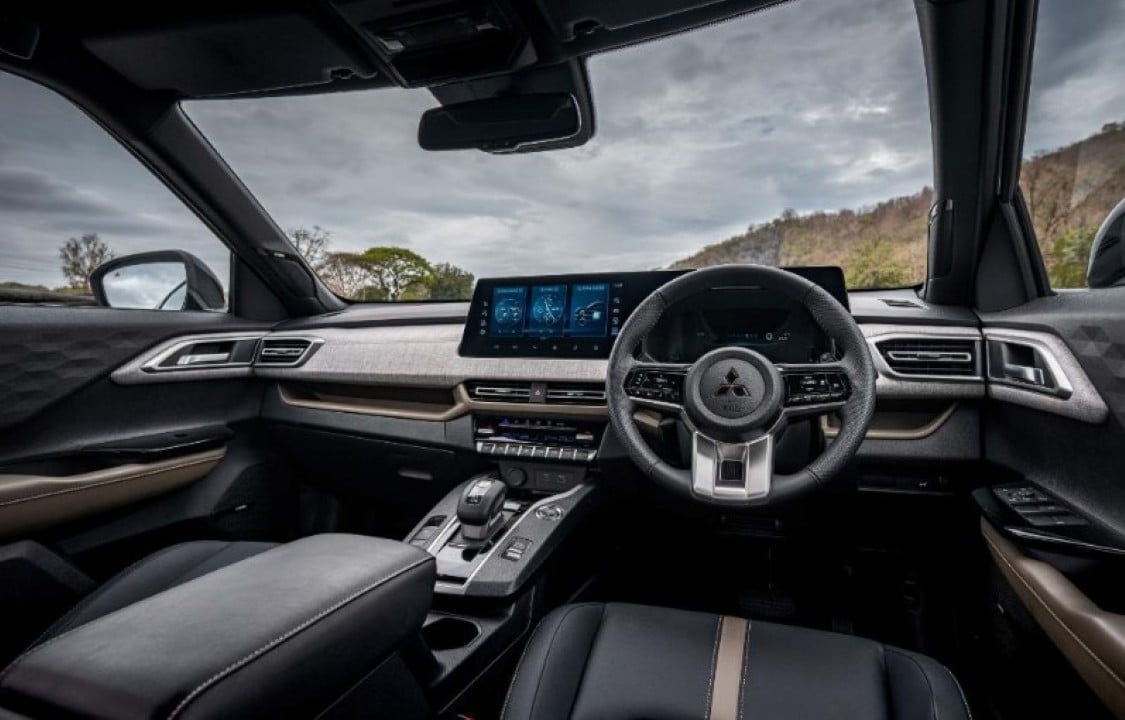
Inside, the technological experience is expanded by a 12.3-inch digital panel that centralizes navigation and entertainment functions. An exclusive highlight is the sound system developed in partnership with Yamaha, which dynamically adjusts audio equalization based on the speed of the car, providing superior and immersive sound quality for all occupants.
Commercial strategy and security
Manufactured at Tailândia, the vehicle hits the market with a comprehensive active safety package, including autonomous braking systems and blind spot monitoring to prevent accidents. The pricing strategy was designed to compete directly with segment leaders, such as the Toyota Yaris Cross, offering an attractive cost-benefit ratio that combines cutting-edge technology with low operating costs.
The automaker is betting that the combination of bold design, high energy efficiency and advanced safety features will be decisive in gaining leadership in emerging markets. The initial launch focuses on Tailândia and neighboring countries, but the model’s global platform suggests that the hybrid technology could be expanded to other regions where demand for compact and economical SUVs continues to grow rapidly.



