
OpenAI military deal drives ChatGPT swap for rivals like Claude and Gemini with focus on ethics By Carolina Costa
3 min read
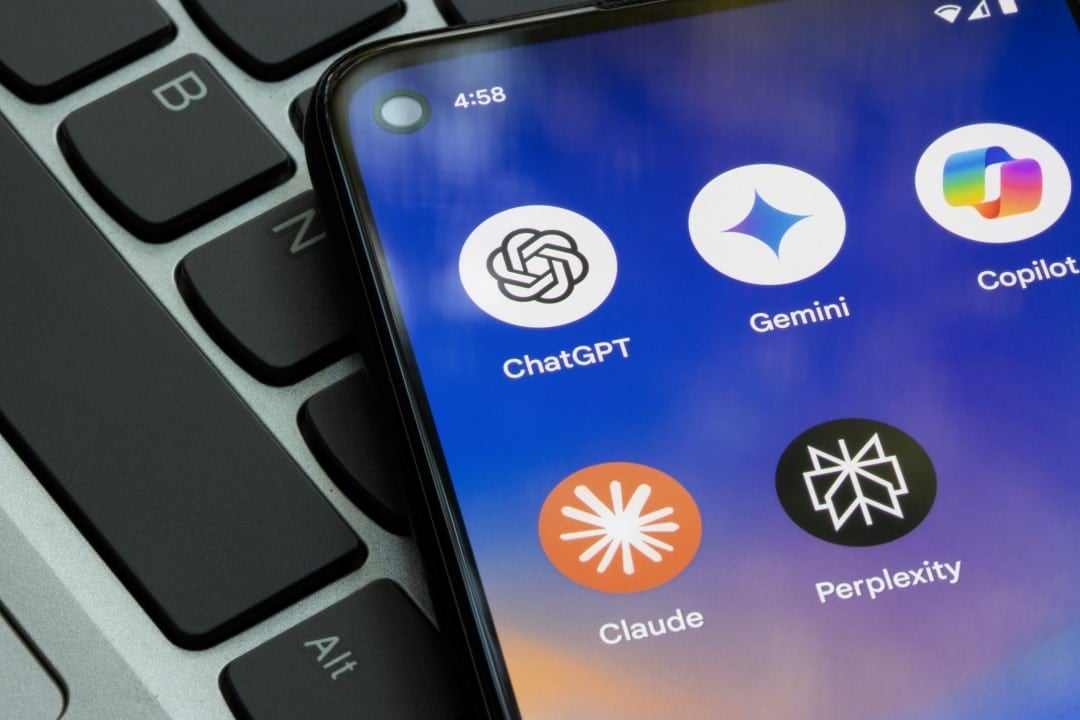 |
The recent partnership between OpenAI and Departamento of Defesa of Consumidores concerned about the ethical alignment and military use of technology began a migration movement to competing platforms in recent weeks, looking for alternatives that are not linked to government defense contracts. O cenário favoreceu diretamente o crescimento de ferramentas como Claude e Gemini, que absorveram parte significativa dessa demanda por opções consideradas mais neutras.
The impact of this change in behavior was visible in app stores, where Claude reached the top of the download list on App Store in early March 2026. Anthropic, the model’s developer, attracted users by publicly rejecting military applications for its artificial intelligence, positioning itself as a choice aligned with privacy and ethical security. Essa movement reignited the debate about the features offered free of charge by each company and how they meet everyday needs.
Differences in user experience and advertising
One of the decisive factors for users to remain on new platforms is the absence of commercial interruptions. The free versions of Claude and Gemini operate without displaying ads, providing a cleaner interface and seamless workflow. In contrast, ChatGPT’s basic model includes advertising, which can fragment attention during prolonged use sessions or complex searches.
For professionals who use chatbots as productivity assistants, the presence of ads is seen as unnecessary noise. Advertising-free browsing reinforces the perception of privacy and focus, elements that became priorities for those who decided to abandon the OpenAI tool. The fluid experience offered by competitors has been identified as a relevant competitive advantage in retaining these new fans.
Multimedia resources and generation capacity
Despite the ethical and interface advantage, migration requires adaptations in terms of available resources. Claude, although praised for its ability to process long and structured texts, does not offer image or video generation in its free version, limiting itself to textual and data analysis. Usuários who depend on visual creation need to use other tools to complement the work.
Gemini and ChatGPT maintain leadership in multimedia, allowing the creation of visuals and video analysis and live camera use natively. The Google model also stands out for its ability to generate complete clips and even music, while OpenAI uses the Sora for video deliveries, although with limitations in the free version. The choice of platform ends up depending on the specific needs of each user between high-quality pure text or multimedia versatility.
Integrations and research tools
Connectivity with other software is another point of divergence between artificial intelligence. Claude focuses on direct integration with design and management tools, allowing you to import and edit projects without leaving the chat environment. Já o Gemini strengthens its position by natively connecting to the Google ecosystem, facilitating access to Gmail, Docs and Sheets for those already immersed in these services.
When it comes to in-depth research, the scenario is reversed in relation to costs:
– ChatGPT and Gemini release the deep search function (Deep Research) for free, offering detailed summaries and up-to-date sources.
– Claude restricts this advanced functionality to paid plans, which can be a hindrance for students and researchers.
– The Gemini context window is superior in long dialogs, maintaining the coherence of accumulated data with more precision.
The competition for user preference remains fierce, with each platform offering a different set of advantages and restrictions. Enquanto OpenAI faces the erosion of its public image due to military contracts, competitors adjust their offers to capture an audience that is increasingly demanding regarding ethics and the usability of digital tools.



