
English football giants await definition of opponents in the quarter-finals of the traditional FA Cup By Luís Henrique Costa
4 min read
 |
The atmosphere in the British sporting scene is reaching high levels of anxiety as the decisive phase of the Copa of the Inglaterra approaches. Clubes history and surprises from the lower divisions await the definition of the bracket that will point the final path to glory in Wembley. Expectations fall on the next draw, which will determine the four quarter-final clashes, promising clashes of high technical and emotional intensity for fans around the world.
This stage of the tournament is known for separating title candidates from those who only dream of winning, narrowing the competition down to the eight best teams of the season. The mix between financial powerhouses and traditional teams creates a unique environment, where each knockout match carries the weight of an anticipated final.
With the reduction in the number of participants, the margin for error becomes non-existent. Treinadores and technical committees are already beginning logistical and tactical planning, aware that the next opponent may require completely different strategies, whether facing a direct rival from the elite or a resilient opponent from smaller leagues.
Competitive scenario and clubs in contention
The current edition of FA Cup maintains the tradition of promoting fascinating encounters between different levels of English football. Equipes, known as Manchester City, Liverpool, Chelsea and Arsenal, continue their journey, carrying favoritism and pressure for results. However, the presence of clubs like Wrexham and Mansfield Town adds the element of unpredictability that characterizes the “magic of the cup”, keeping the dream of toppling giants alive.
The pending clashes in the fifth round are essential to draw the final table of classifieds. Duelos as Wolverhampton Wanderers against Liverpool and Newcastle United against Manchester City exemplify the level of difficulty that the teams face. Outras brackets, involving Leeds United, Norwich City, West Ham and Brentford, show the balance and competitiveness present in all bands of the tournament.
The possibility of regional or national classics in the quarter-finals shakes up the scenes and the fans. The dynamics of the free draw allows any team to face any other, without seeds, which can result in early finals or open the way for an “underdog” to reach the semifinals, repeating historic feats from past editions.
Event schedule and broadcast
The tournament organization prepares the details for the draw that will define the next steps of the competition. The ceremony is expected to take place on Monday, March 9, taking advantage of the audience for the last match of the current round. The estimated time for the event is around 7:30 pm GMT, shortly after the end of the confrontation between West Ham and Brentford, centering the attention of the sports media.
To ensure that the excitement reaches every corner, the broadcast must be broad and accessible. No Reino Unido, coverage is provided by TNT Sports, with streaming options via Discovery+. Já for international audiences and users of digital platforms, the broadcaster’s official YouTube channels and social networks usually make the signal available, democratizing access to information in real time.
In Estados Unidos, the ESPN+ platform continues as the traditional home of the FA Cup, covering not only the games, but also decisive moments such as the draws. Essa broadcast structure reflects the global interest in English football, connecting fans from different time zones who are simultaneously waiting to discover the fate of their favorite clubs.
Tradition and impact of the oldest tournament
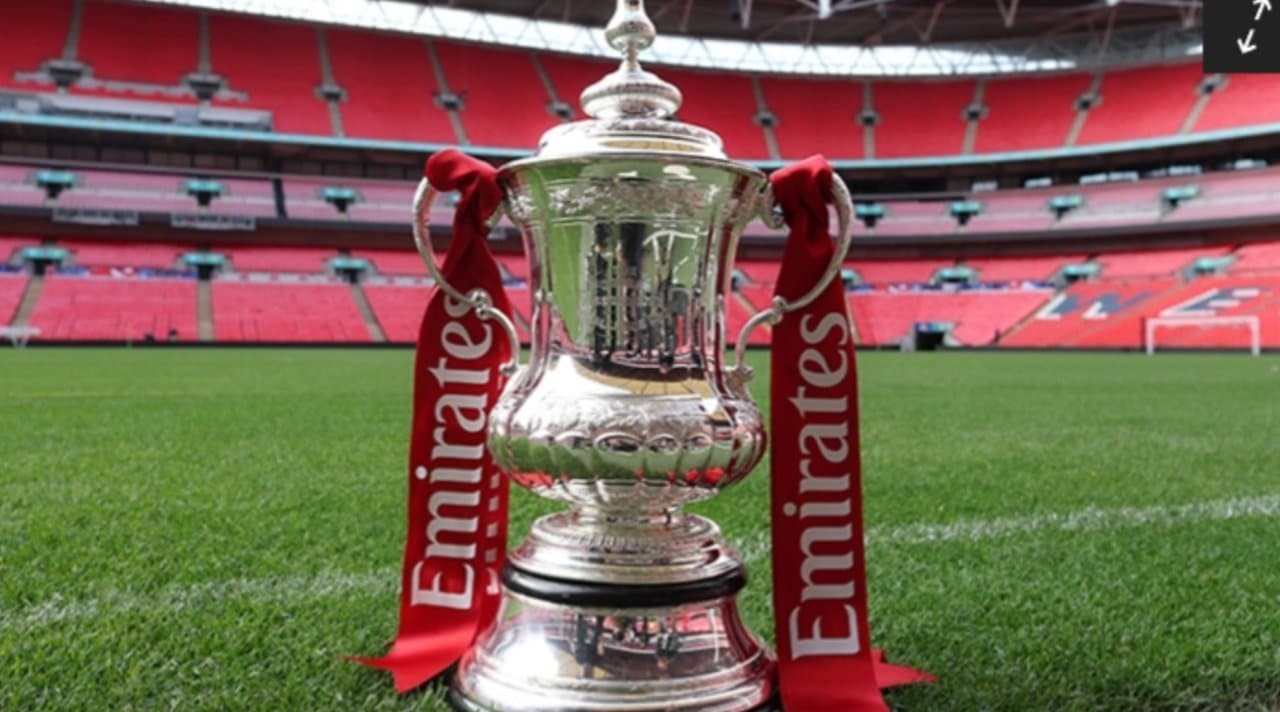
Founded in 1871, Copa da Inglaterra transcends the definition of a simple championship, representing a cultural heritage of the sport. The silver trophy is an object of desire not only for its financial value or the guaranteed place in UEFA’s Liga Europa, but for the prestige of engraving the name on the base of the oldest cup on the planet. The competition is celebrated for its ability to create narratives of overcoming and heroism.
The simple knockout format, with no return games at this advanced stage, intensifies the drama on the field. Cada dispute for the ball, defense or goal takes on epic proportions, as it defines the continuity or end of the cup season. The history of the tournament is paved with moments where determination overcame technique, and the quarterfinals are usually the ideal stage for these memorable chapters.
International reach and visibility
Interest in FA Cup goes beyond British borders, consolidating itself as a high-value export product. Emissoras from every continent, from SuperSport on África to beIN Sports on Oriente Médio and Stan Sport on Austrália, ensure the competition is watched by millions. Essa global visibility reinforces the commercial and sporting importance of advancing in the tournament, projecting the clubs’ brand to new markets and audiences.