South Korean tanker runs aground on Japanese island with thousands of tons of fuel

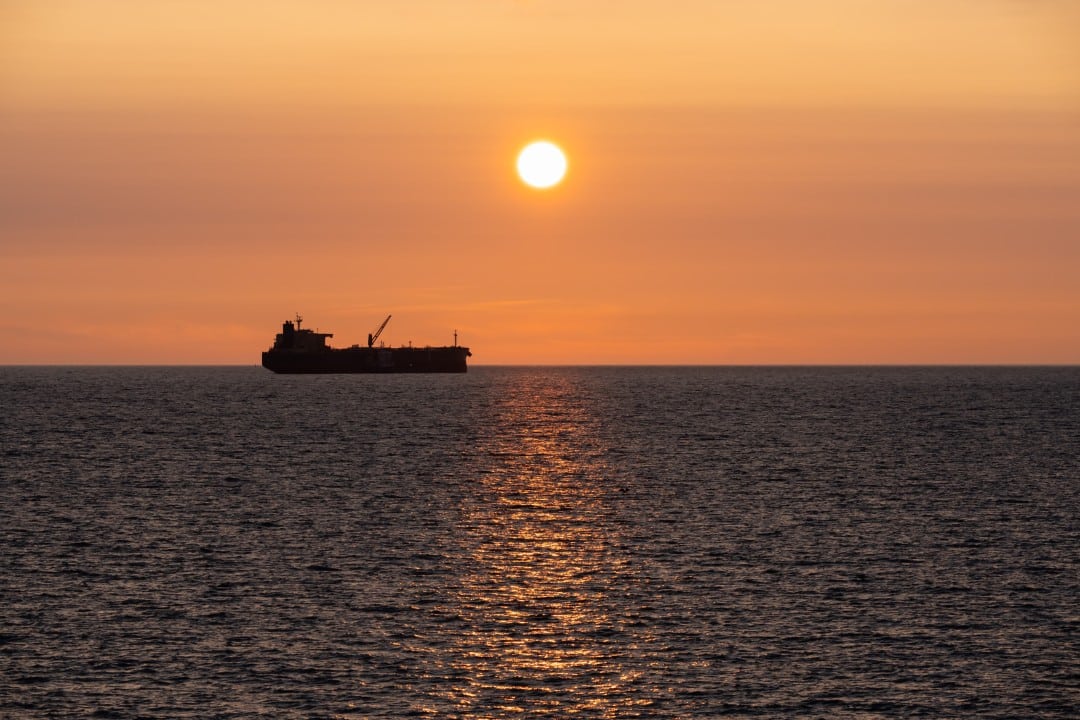
A cargo vessel registered in Coreia of Sul was involved in a significant maritime incident on the afternoon of this Friday, March 6th, when it ran aground in the waters of The tanker, identified as “Phoenix”, was carrying a substantial cargo of approximately 2,500 tons of kerosene when it collided with the seabed in the vicinity of Farol of Ogijima, located in the province of Kagawa. The accident immediately mobilized local authorities and emergency teams to assess the structural situation of the hull and prevent possible leaks.
The alert was issued by the vessel’s own crew at around 1:36 pm local time, informing Guarda Costeira about the grounding in the northwest region of the island. According to preliminary reports, the ship was on a standard navigation route when the incident occurred, the causes of which are still under detailed technical investigation. The authorities’ quick response aims to mitigate risks, given the volume of flammable fuel stored in the vessel’s tanks.
The weather conditions at the time of the accident were considered favorable, with clear skies and moderate winds of around 4 meters per second, in addition to good visibility on the water’s surface. Apesar the calm environment, the vessel suffered a visible tilt to the left side (port), which generated immediate concern regarding the ship’s stability. Equipes specialists were dispatched to the site to monitor the integrity of the hull and ensure that there were no ruptures in the cargo compartments.
Crew situation and international composition on board
Human safety was the immediate priority following confirmation of the grounding, with Guarda Costeira confirming that there were no injuries among the occupants of the Phoenix. The vessel operated with a crew of 15 crew members of different nationalities, who remained on board to assist with initial communications and damage assessment procedures. The diversity of the team reflects the globalized nature of commercial shipping in the Asian region.
The composition of the team on board the accident ship was detailed by the port authorities to facilitate consular and logistical procedures. The group is made up of professionals from three different countries, who worked together to operate the commercial route at the time of the impact:
- Two citizens of Coreia from Sul, including commanding officers;
- Six crew members of Burmese nationality (Myanmar);
- Seven sailors from Indonésia.
All crew members are safe and are collaborating with Japanese authorities by providing reports on the moments leading up to the grounding. The absence of serious injuries allowed the focus of operations to turn almost immediately to environmental preservation and the technical analysis of the ship’s structure, which remains immobile pending the next stages of the rescue.
Environmental monitoring and leak risks
The Mar Interior of Seto is a region of extreme ecological and economic importance for the Japão, known for its complex currents and biodiversity. Because of this, the presence of a ship loaded with kerosene in a risky situation raised the alert level of environmental agencies. Até At the moment, visual and instrumental inspections carried out around the hull did not detect fuel or oil leaks, a positive sign for the preservation of the local ecosystem.
The vessel’s list to port, however, requires continuous monitoring, as changes in the tide or sudden changes in wind conditions could further destabilize the vessel. Guarda Costeira has established a safety perimeter around Phoenix to prevent other vessels from approaching and causing waves that could impact the weakened hull. Barreiras oil containment systems are prepared to be implemented if there is any sign of cracks in the tanks.
Maritime salvage experts are analyzing data from the vessel’s “black box” and navigation records to understand the dynamics of the accident. The integrity of the seabed in the area of Farol of Ogijima is also a crucial factor, as the type of soil — rocky or sandy — will determine the difficulty of refloating and the mechanical stress exerted on the ship’s keel.
Rescue and cargo transfer logistics
Given the impossibility of moving the ship with its full load due to its draft and position, the authorities and the company responsible for the Phoenix are studying the need for a “lightering” operation. Este processo envolve a transferência de parte ou de toda a carga de querosene para outra embarcação menor ou vazia, visando reduzir o peso do navio encalhado e facilitar sua flutuação na maré alta.
The open sea fuel transfer operation is complex and involves high operational risks, requiring specialized pumping equipment and stable sea conditions. The company that owns the ship has already been notified to present a rescue plan that includes the provision of an auxiliary tanker. The priority is to ensure that weight relief occurs without spillage, allowing powerful tugboats to later pull the vessel into deep water.
Impact on regional maritime traffic
The area where the incident occurred is a route frequented by commercial and fishing vessels, and is vital for supplying the islands and coastal cities of the Kagawa region. Embora traffic has not been completely stopped, Guarda Costeira has issued navigation warnings for all ships in the vicinity to keep their distance and reduce speed. The incident serves as a warning about the complexity of navigation in the Mar Interior of Seto, where narrow passages and strong currents require extra attention, even on good weather days.
Japanese authorities continue to coordinate efforts with the Coreia embassy and shipowner representatives to resolve the situation as quickly as possible. The safe removal of Phoenix is essential not only to avoid an environmental disaster, but also to restore full normality to the commercial route, minimizing logistical losses for the local industry that depends on regular maritime transport.