

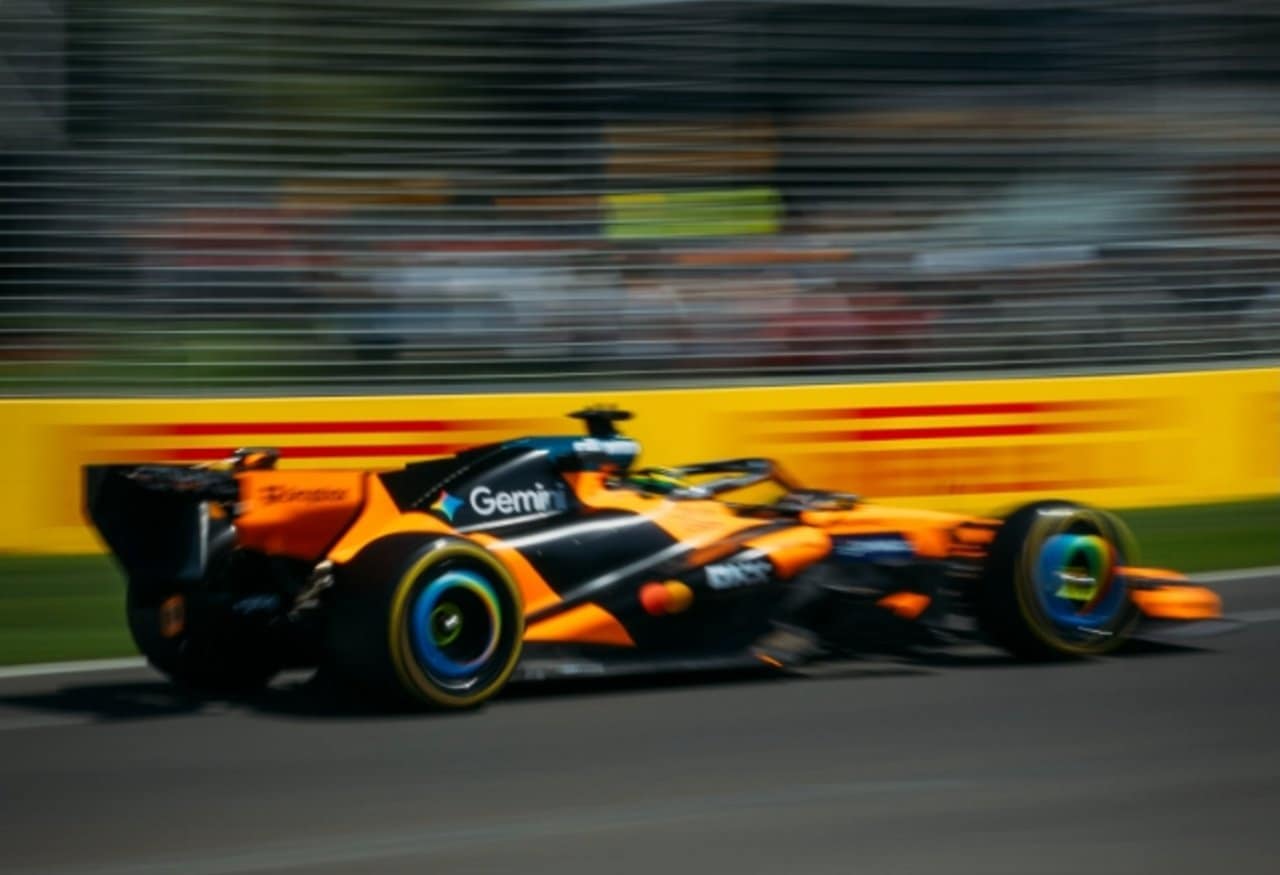
The 2026 season of Fórmula 1 officially begins this weekend with the Grande Prêmio of Austrália, marking a phase of profound technical transformations in the category. The Albert Park circuit, in Melbourne, hosts the first of the 24 stages planned for this year, which promises to be one of the most competitive in the recent history of world motorsport. The expectation surrounding the new technical regulations attracts the attention of fans and experts to the performance of the cars on Australian street tracks.
Speed enthusiasts need to pay attention to time zones so as not to miss any details of the activities that define the starting grid. The decisive sessions take place between Friday night and Saturday morning, requiring planning from Brazilian spectators. Below, we detail the main points to follow the evolution of drivers and teams at the beginning of their sporting journey:
- Treino Livre 3 is scheduled for 12:30 local time on Melbourne, ensuring the last fine-tuning before grid formation.
- The qualifying session, the most tense moment of the weekend until the start, takes place at 4pm local time on Austrália.
- For Brazilians, activities begin at 10:30 pm on Friday (TL3) and at 2 am on Saturday (Quali), at Brasília time.
- The official broadcast returns to Grupo Globo, with broadcasts divided between open TV, the subscription channel SporTV and streaming Globoplay.
Weather conditions in Melbourne for track activities
The weather forecast for the Albert Park circuit indicates stability, which should favor consistent data collection by teams debuting new components. Durante the period of the track sessions, the probability of precipitation is low, estimated at a maximum of 20%, reducing the chances of qualifying in the rain. Dry weather is critical for engineers to understand tire behavior and aerodynamic efficiency under the new set of rules.
Temperatures in Melbourne should remain mild, with averages hovering around 19°C, providing a controlled environment for engine cooling. The forecast winds should not exceed 24 km/h, which minimizes the risk of sudden instability in the high-speed curves of the urban route. Essa climate predictability puts the focus entirely on mechanical performance and each pilot’s individual ability to get the most out of the equipment available.
Detailed schedule of the youth categories at Austrália
In addition to the main category, the access series Fórmula 2 and Fórmula 3 also carry out their activities on Australian asphalt, bringing young Brazilian talents into the spotlight. Na Fórmula 2, the sprint race takes place at 00:10 on Saturday (Brasília time), with the grid defined by the reversal of the top ten positions in Friday’s classification. Tasanapol Inthraphuvasak starts in pole position, while the Brazilian Rafael Câmara starts from fifth place after a solid performance in qualifying.
The Fórmula 3 also meets its schedule with the sprint race scheduled for 9:15 pm on Friday, following the rule of inverting the twelve best times. Bruno del Pino leads the field at the start, closely followed by Enzo Deligny, in a race that promises to be intense due to the characteristics of the circuit. Representantes of Brasil as well as Pedro Clerot and Fefo Barrichello seek recovery in the table, starting from intermediate and bottom positions on the grid, respectively.
Broadcast details and multiplatform coverage
The return of Fórmula 1 to the Globo TV schedule marks a new chapter in the communication of motor sport to the Brazilian public in 2026. The broadcaster plans integrated coverage that covers everything from free practice to the final podium, using its sports channels and digital platforms to guarantee full reach. SporTV remains the main destination for training and qualifying sessions, while the main race is highlighted on open TV in the early hours of Sunday.
The F1TV Integration with Globoplay allows subscribers to follow broadcasts from any mobile device, facilitating access during alternative late-night hours. The coverage is complemented by technical analyzes and post-session programs that detail the strategies adopted by the ten teams on the current grid.
Structure of the new technical regulations for the season
The introduction of the new rules in 2026 aims to increase sustainability and competitiveness among manufacturers, significantly changing the design and engine of cars. The new engines rely more heavily on electrical energy, which challenges drivers to manage power more strategically throughout each lap. The Austrália GP serves as the first real laboratory to test whether these changes will achieve the goal of enabling closer pursuits and more overtaking.
The engineering teams worked intensely during the pre-season to adapt the chassis to the safety and aerodynamic efficiency requirements imposed by the federation. Melbourne, as it is a technical circuit with strong acceleration and braking sectors, will reveal which teams were able to best interpret the regulations. The expectation is that the previous year’s hierarchy of forces will be challenged by technological innovations that could surprise the traditional favorites of the world championship.
Calendar and logistics of teams on Australian soil
The move to Austrália represents one of the biggest logistical challenges on the calendar due to the geographical distance and the quick adaptation to the local time zone. The teams arrived at Melbourne in advance to set up the garages and carry out the first checks on the electronic systems of the new vehicles. Maintaining a strict rest and eating routine is essential for mechanics and drivers to maintain the necessary precision in a sport where milliseconds define victories.
The Albert Park circuit has undergone maintenance to ensure that the asphalt surface is in ideal condition for the official debut of the championship. As it is a track that mixes public roads and permanent sections, the evolution of grip throughout the weekend is a determining factor for the pit stop strategy. Tire management will be, more than ever, a key part of success on Sunday, considering the new compounds have been designed to handle the increased torque of the electric motors.
Expectations for the performance of Brazilian pilots
The presence of Brazilian names in the support categories increases the interest of the national public in the event at Oceania, reinforcing the scenario of renewal of motorsport in the country. Rafael Câmara arrives at Fórmula 2 with good prospects after a series of consistent results in lower categories, seeking important points in the opening round. Performance on challenging tracks like Melbourne is seen by F1 team scouts as a test of maturity and emotional control for young drivers.
At Fórmula 3, the trajectory of Pedro Clerot and Fefo Barrichello is closely followed by those who hope to see the national pavilion back at the top of the international podium. Embora the starting positions for the sprint were not ideal, the focus of these athletes is on race consistency and the ability to gain positions on a track that offers opportunities for slippage. The evolution of these drivers throughout the 2026 season will be fundamental to paving the way towards the top category of world motorsport in the coming years.
Impact of technological innovations on racing dynamics
The 2026 changes are not just aesthetic, they fundamentally alter how drivers interact with steering wheel controls and how teams plan fuel consumption. Energy management has become the most complex variable, requiring strategists to recalculate attack and defense routes in real time during trials. The Austrália GP, with its well-defined DRS zones, will be the ideal setting to observe how this new technology translates into direct on-track action for fans.
The reliability of the power units is another latent concern for this first stage, as new components often fail under extreme stress. Terminar running Melbourne without mechanical problems will be the first major objective for all teams, ensuring a solid foundation for the rest of the 23 races. The public expects that the technical dispute between Mercedes, Red Bull, Ferrari and the other teams will result in a high-level sporting spectacle, maintaining the tradition of emotion of the