

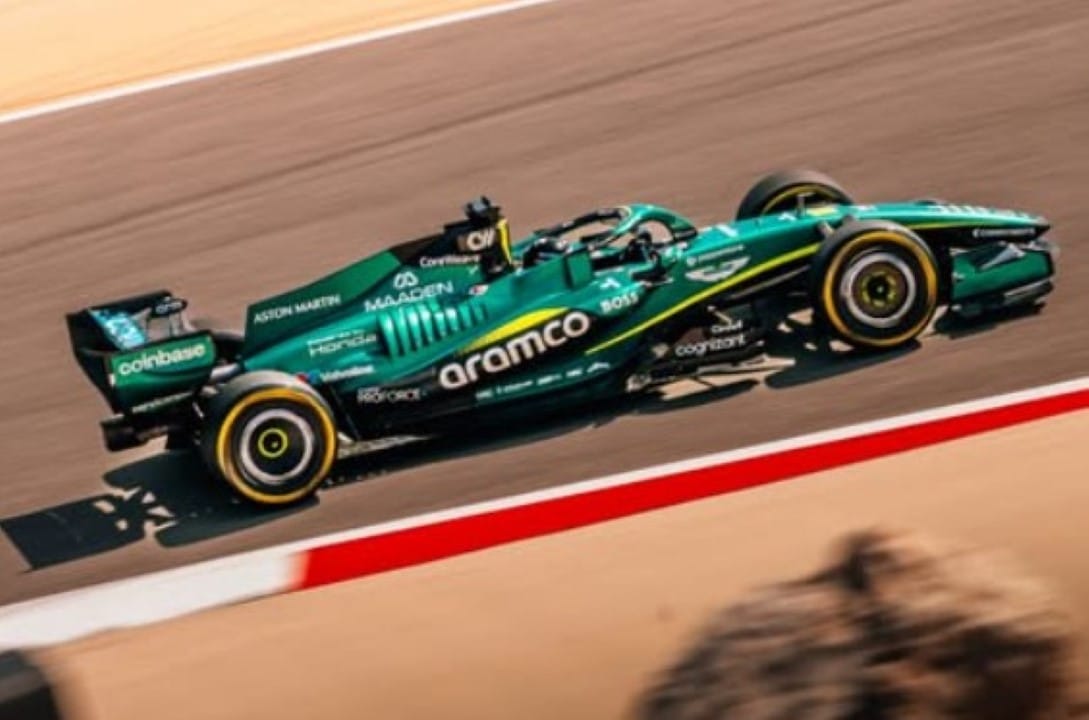
The schedule of track activities at the Albert Park circuit underwent unforeseen changes for one of the main teams on the grid during the opening sessions of the weekend. The British team based in Silverstone had to take one of its cars to the garage in the first few minutes of the green flag, changing the entire data collection plan. The stoppage occurred after the single-seater’s sensors detected anomalies in the functioning of internal components.
Mechanics acted quickly to isolate the work area and begin the process of dismantling the rear fairing. The engineering team identified that the origin of the setback was linked to the integration of the power unit supplied by the Japanese automaker. The technical failure prevented the Spanish driver from recording timed lap times, restricting his participation to only installation laps at reduced speed before the final withdrawal.
The absence of lane time on a street layout such as Melbourne represents a significant obstacle to equipment calibration. The initial sessions are essential to understand the level of asphalt grip, the behavior of different tire compounds and the efficiency of the upgrade package brought from the factory. Sem these metrics, vehicle dynamics engineers miss essential parameters for fine-tuning the suspension and ride height.
To mitigate damage to the development program, the technical team reorganized assessment priorities. The procedures adopted included:
– Verificação complete power unit lubrication system.
– Inspeção structural structure of the floor after contact with the curbs on the track.
– Recalibração of telemetry sensors that presented divergent readings.
Cooling system failure
Initial investigation conducted by propulsion engineers revealed an abrupt drop in cooling system pressure. Este component is vital for maintaining the operating temperatures of the internal combustion engine and energy recovery systems within safe limits. Early detection prevented catastrophic damage to the propellant, but required pre-emptive replacement of internal valves and ducts.
The repair process on modern hybrid power units takes a considerable amount of time due to the complexity of the aerodynamic packaging. Mechanics need to remove the floor, side radiators and part of the rear suspension to access the engine peripherals. Essa intensive labor requirement consumed all the regulatory time of the free practice session.
Consequences for aerodynamic adjustment
The current single-seater relies heavily on the generation of aerodynamic pressure through ground effect tunnels located under the floor. Qualquer change in the car’s height in relation to the ground drastically changes the handling and balance in braking zones. Sem the validation laps, the team is unaware of the car’s tolerance limit before the vertical oscillation phenomenon begins on the straights.
The loss of the session also compromised the mapping of tire wear under full tank conditions. Race simulations are traditionally carried out in the second half of free practice, providing crucial data for the strategy department to define the ideal number of pit stops. The lack of information about thermal degradation forces the team to base their decisions on mathematical estimates.
The Australian circuit has unique characteristics, with high-speed corners interspersed with strong braking. The demands on the brakes and the need for traction when exiting curves require precise mechanical adjustment. The engineering team will need to use the data from the second car to try to establish an acceptable base configuration for the remainder of the event.
Limited performance on the other side of the pits
The Canadian teammate managed to record some timed laps, but his testing program also underwent adaptations. The technical management opted for a conservative approach in the use of the engine, reducing the maximum power available to preserve the mechanical components. Essa preventative measure altered straight line speeds and masked the true potential of the chassis.
Telemetry indicated that the second car had difficulties with grip on the front axle while passing through the middle sector of the track. The phenomenon of understeer damaged the contour of longer curves, forcing the driver to delay applying the accelerator. Ajustes in the angulation of the front wing fins were carried out during pit stops to try to correct the imbalance.
The strategy team had planned to split the setup settings between the two cars to speed up the learning process. With the technical failure immobilizing one of the vehicles, the comparative analysis of parts and aerodynamic solutions was cancelled. The single-seater that remained on the track had to take full responsibility for collecting airflow data and thermal mapping.
The lap times recorded at the end of the session did not reflect the previous simulations carried out at the factory. The positioning on the leaderboard was below initial expectations, indicating the need for a complete review of the configuration parameters before the next track entry. The raw data was immediately transferred to headquarters at Europa for parallel analysis.
Detailed assessment of the damaged floor
In addition to the power unit failure, mechanics identified physical damage to the carbon fiber structure of the floor. Close inspection revealed microcracks on the side edges and excessive wear on the central wooden plank, possibly caused by aggressive contact with the high curbs of the Albert Park circuit. The integrity of the floor is the most critical factor in the performance of a ground effect car, as any leak in the airflow directed to the rear diffuser results in a massive loss of downforce. The composites repair team was called in to apply quick-drying resins and structural reinforcements to the affected areas, ensuring that the part could be reused in subsequent sessions without compromising the torsional rigidity required by high speeds.
The correlation between wind tunnel data and the car’s actual behavior on the track became the main focus of the aerodynamics department. Static pressure measurements collected by sensors installed on the body showed divergences in relation to theoretical aerodynamic maps. Essa discrepancy requires an immediate recalibration of the mathematical models used in virtual simulators. Para To stabilize the aerodynamic platform, the engineers decided to increase the stiffness of the springs and shock absorbers of the rear suspension, sacrificing part of the mechanical comfort at low speeds to maintain constant ride height in areas of high aerodynamic pressure. The technical director informed that the stock of spare parts for this specific floor specification is limited, requiring additional caution in upcoming track activities.
Technical and structural transition of the team
The organization is going through a phase of profound restructuring in all its technical and operational departments, aiming to consolidate its position among the dominant forces in the highest category of motorsport. The expansion project includes the operation of a new state-of-the-art wind tunnel and advanced manufacturing facilities, essential elements for the independent production of complex components. Contudo, the current transition period requires the simultaneous management of legacy infrastructure and new engineering processes. The integration of a distinct power unit into the chassis poses severe challenges to the design department, which needs to redesign the entire internal architecture of the single-seater. The positioning of radiators, the routing of high-voltage cables and the geometry of the engine mounting points directly affect the vehicle’s center of gravity and weight distribution. Reliability anomalies recorded in track activities are frequent occurrences when changing the mechanical and electronic core of a very high performance project. The team’s management remains focused on systematically resolving each technical failure, establishing strict quality control protocols to avoid repeating breakdowns during official events. The joint work with the engineers of the manufacturer supplying the engines is intensified with each session, seeking perfect synchronization between the mapping of the electronic accelerator and the delivery of torque to the rear wheels.
Adjustments focused on the qualifying session
The technical programming for the remainder of the event will be directed almost exclusively at optimizing single-lap pace. The lack of consistent data on race pace forces the team to prioritize the starting position, adjusting the electrical power delivery map to provide maximum acceleration in short sections.
Simulation data versus track reality
Virtual models run on headquarters supercomputers indicated an ideal operating window for asphalt temperatures recorded at Melbourne. The practical application of these parameters, however, did not produce the level of mechanical grip projected by the dynamics engineers.
A support team at Europa works on-call in the base simulator to test hit variations during the night. The solutions found in the virtual environment will be transmitted to the pits at Austrália, dictating the mechanical modifications that will be implemented in the cars before the parc fermé regime.