
Israel’s military offensive hits Iranian oil base as Tehran prepares new leadership By Luís Henrique Costa
6 min read
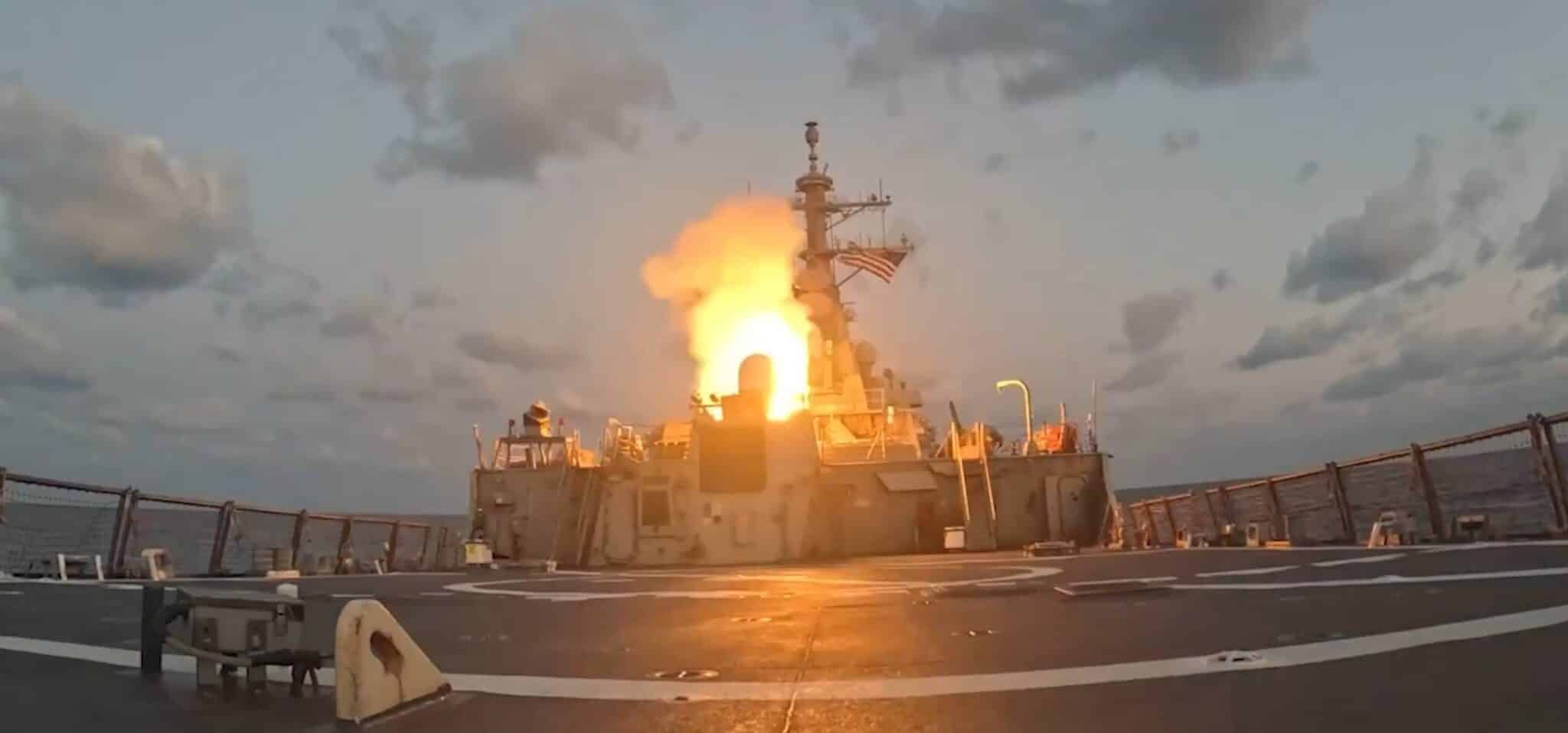 |
Hostilities in Oriente Médio have reached a critical stage following a series of military operations targeting vital energy and water resource installations. The destruction of a large oil deposit south of Teerã consolidates a severe tactical change in the joint actions carried out by US and Israeli forces, which now focus on the economic paralysis of the adversary. Paralelamente to the bombings, the Iranian government accelerates the internal procedures to choose the replacement for Ayatollah Ali Khamenei, killed in previous attacks. The current scenario, which has already spanned nine consecutive days of intense attacks, demonstrates an expansion of strategic targets, directly affecting civil infrastructure and the stability of the entire region.
The military targeting of basic supply structures increases the complexity of the geopolitical conflict. The international community is following developments with extreme caution, noting the geographic expansion of the attacks that now include Lebanese territory and installations in Golfo. The interruption of essential services threatens to trigger a humanitarian crisis of gigantic proportions, forcing the displacement of thousands of civilians and overwhelming local health systems. Military coordination between Western powers and Teerã’s responses indicate that diplomatic resolution is moving away, giving way to a war of attrition with direct impacts on the global commodities market.
The fragility of regional security becomes evident as the boundaries of the conflict blur. The use of advanced technologies, such as unmanned aerial vehicles and precision missiles, allows both parties to reach their opponents’ nerve centers quickly and lethally. The search for new leaders in the midst of a state of war accentuates the unpredictability of political and military decisions in the coming days, maintaining maximum alert on international shipping routes and commercial corridors from Estreito to Ormuz.
Strategic targets and impacts on civil infrastructure
The recent military strategy focused fire on structures vital to the financial and logistical functioning of the countries involved. Registros from early March details severe explosions that lit up the night sky in the Iranian capital, resulting in the destruction of a fuel plant and the confirmed death of four workers in the cargo transportation sector. The justification presented by the military commands pointed out that the location was used for tactical purposes, transforming the installation into a priority target of the campaign.
Irã’s military response focused on installations in neighboring countries allied to the Western bloc, demonstrating the ability to retaliate outside their borders. A water desalination plant located in Bahrein suffered significant damage after being hit by drones, compromising the water supply of a region strictly dependent on seawater purification. The attack on this type of installation sets a dangerous precedent in the conflict, using access to drinking water as a tool of military pressure.
Political moves for the new Iranian leadership
The power vacuum left by the death of the Iranian supreme leader immediately mobilized the country’s Assembleia. The group made up of high-ranking clerics works urgently to formalize the appointment of the next head of Estado, seeking to maintain the internal cohesion and legitimacy of the regime in the face of continuous external pressure.
Information from members of the religious leadership indicates that a majority consensus has already been established behind the scenes in the government. The identity of the new leader, however, remains under absolute secrecy for reasons of national security, highlighting the fear that the successor will be the target of attacks even before officially assuming command of the nation.
The Israeli military forces issued official statements in Farsi through digital platforms, aimed at those responsible for the political transition in Irã. The military command has openly declared that all individuals involved in the succession process are considered legitimate targets, promising to persecute any authority that participates in the appointment of the new supreme leader.
Military offensives on Lebanese territory
The advance of troops and aerial bombardments extended to the capital of the Líbano, reaching densely populated urban areas outside the traditional conflict zones. The Ramada Plaza hotel complex, located in the central region of Beirute, was severely damaged by air strikes, causing the immediate death of four people and leaving dozens injured among the rubble.
The affected building housed entire families who had moved from the southern region of the country to escape border clashes. Autoridades Lebanese health workers report immense difficulties in caring for victims due to the overload of the hospital system and the blockage of main roads caused by the destruction of urban infrastructure.
Data from the Lebanese government indicate that military operations directed against the Hezbollah group have already left almost three hundred dead and forced the forced displacement of tens of thousands of civilians. The most affected areas are concentrated in the southern suburbs of the capital, historically known as strongholds of political and military organization.
The command of Israel confirmed the elimination of five high-ranking commanders of Guarda Revolucionária Iraniana who were operating strategically on Lebanese soil. The action is part of the declared effort to eradicate the presence of forces allied to Teerã in neighboring countries, dismantling the logistical and financial support network structured over decades on the northern border.
Positioning of global political leaders
The international community follows the military escalation with different diplomatic perspectives and levels of involvement. The Estados Unidos government reaffirmed its tactical support for Israel, with statements from US President Donald Trump warning of the use of maximum force and harsh attacks if Iranian retaliations do not cease immediately. The Israeli Prime Minister,
On the other hand, European and Asian governments articulate preventive measures to contain the indiscriminate expansion of the conflict. China issued statements calling for restraint and the suspension of attacks on civilian structures, fearing the collapse of global trade routes. Ministério of Defesa of Reino Unido began preparing two aircraft carriers for deployment to the Golfo region, generating public friction with the administration of The American president openly criticized the British Prime Minister Keir Starmer, stating that late interventions by allies are not necessary in the current phase of military operations.
Consequences for the economy and international shipping
The systematic destruction of oil terminals and water treatment plants introduces incalculable systemic risk to the global economy and regional security. International dependence on oil exported by Oriente Médio makes financial markets extremely sensitive to any interruption in the extraction and distribution chain. Analistas from the energy sector warn that continued bombings against Iran’s refining infrastructure could trigger a severe supply crisis, raising shipping costs, insurance premiums for merchant ships and inflation on a global scale. The vulnerability of desalination plants, vital for the survival of populations in arid areas of the Golfo, adds a layer of humanitarian urgency to the conflict. The destruction of these facilities requires immediate interventions by international agencies to prevent the collapse of basic services, the spread of disease and the worsening of forced displacement of civilians across the Arabian peninsula. The scenario requires global powers to balance their strategic interests with the urgent need to protect the civil infrastructure that supports the lives of millions of inhabitants and global economic stability.
Historical dynamics of regional diplomatic relations
The current clash represents the culmination of decades of indirect disputes, proxy wars and mutual distrust between the nations of the Oriente Médio. The nuclear program, financing of armed groups and territorial disputes have shaped a fragile security landscape. The transformation of ideological differences into direct military confrontations against essential infrastructure permanently changes the region’s defense paradigm, requiring new and robust containment mechanisms on the part of multilateral organizations to avoid a total collapse of international diplomacy.



