
[TITULO_NOVO][/TITULO_NOVO]
[TAGS_NOVAS]fones de ouvido sem fio, cancelamento de ruído ativo, áudio premium, tecnologia bluetooth, ecossistema de dispositivos móveis[/TAGS_NOVAS]
[TEXTO_NOVO]
The wearable audio device market is witnessing a significant technical upgrade with the introduction of the South Korean manufacturer’s latest high-end wireless headphones. Designed to replace the previous generation, the new equipment promises to redefine the standards of sound fidelity and acoustic isolation in dynamic environments. The transition between generations reflects a direct response to the demands of consumers looking for equipment capable of moving seamlessly between intensive corporate use and immersive entertainment. Sound engineers and hardware experts conducted rigorous evaluations, placing the two models side by side in scenarios ranging from acoustically treated studios to the sonic chaos of urban public transport. The data extracted from these analyzes point to a qualitative leap in the internal architecture, showing millimetric adjustments in the arrangement of the magnetic components and the optimization of the air flow inside the capsules. The adoption of new wireless transmission protocols also ensures that data loss when playing high-resolution tracks is practically zero. Furthermore, the aesthetic reformulation abandons controversial concepts of the past in favor of more traditional lines, prioritizing comfort in usage sessions that exceed the four-hour continuous mark. This set of structural and software modifications positions the launch as one of the strongest competitors in the portable audio segment this year.
The basis of this technological evolution is a completely redesigned speaker configuration to maximize instrument separation. The device now houses an 11mm dynamic driver focused exclusively on reproducing bass frequencies, working in perfect synchronization with a 5.5mm planar tweeter. This physical separation of frequencies allows the sound to maintain its structural integrity even at considerably high volumes, avoiding the masking of subtle vocal details.
Independent technical analyzes confirm that the improvements extend far beyond simple music reproduction, encompassing essential features for productivity and daily routine. Key structural highlights documented by testers include the following engineering advancements:
- Improvement of the noise processing system with real-time adaptation algorithms.
- Considerable expansion in the charge retention capacity of the internal batteries and carrying case.
- Updated resistance certification, guaranteeing protection against solid particles and temporary immersion.
- Implementation of broadband voice capture sensors for crystal clear telephone communications.
Sound architecture and precision of dual drivers
The acoustic engineering applied to the new device represents a paradigm shift in relation to its predecessor, introducing components that are generally only found in professional audio monitors. Replacing the previous 10.5mm and 6.1mm array with the new 5.5mm planar magnetic array drastically changes the transient response, which is the speaker’s ability to react instantly to fast sounds such as drum cymbal hits or acoustic guitar strums. Enhanced support for SSC UHQ and AAC codecs ensures wireless transmission occurs at a bitrate much higher than the industry standard, preserving the original texture of studio recordings. Mastering experts noted that the soundstage of the recent model presents a palpable three-dimensionality, allowing the listener to accurately identify the spatial positioning of each instrument within the mix, something that the previous generation model delivered in a more compressed and centralized way.
Effectiveness of active noise cancellation in urban environments
The active noise cancellation system has undergone extensive redesigns of its digital signal processing code to handle frequencies that traditionally challenge in-ear headphones. In tests carried out inside aircraft and subway cars, the equipment demonstrated a remarkable ability to cancel out the constant hum of engines and the friction of rails, operating much more aggressively at sub-bass frequencies. The previous model had a solid isolation barrier, but allowed the leakage of intermittent noises that caused distractions when listening to content with high volume dynamics.
By contrast, Ambient Transparency modes sound substantially more natural and less electronically processed. Sound pass-through technology uses external microphones to amplify the frequencies of human speech while reducing unwanted high-pitched noises such as sirens or distant alarms. This fine calibration eliminates the sensation of occlusion typical of silicone-sealed headphones, allowing the user to hold complex conversations with attendants or co-workers without having to remove the devices from their ears, promoting an organic interaction with the surrounding environment.
Energy performance and charging cycles
Energy autonomy is one of the metrics with the biggest performance leap in the transition between product generations. The latest hardware delivers up to eight hours of continuous media playback with all noise filtering systems activated to their maximum capacity. When combined with the energy reserve stored in the carrying case, the total time away from sockets reaches the thirty-hour mark, a significant statistical increase compared to the six hours of isolated playback offered by the previous version.
Power replenishment speed has also been optimized through improvements to the USB-C port voltage controllers and magnetic induction coils. Practical laboratory tests attest that the new model can recover half of its total load capacity in a short period of time, minimizing downtime. Smart energy management can be monitored in detail via the smartphone dashboard, which displays accurate estimates of remaining usage.
Ergonomic evolution and stability in daily use
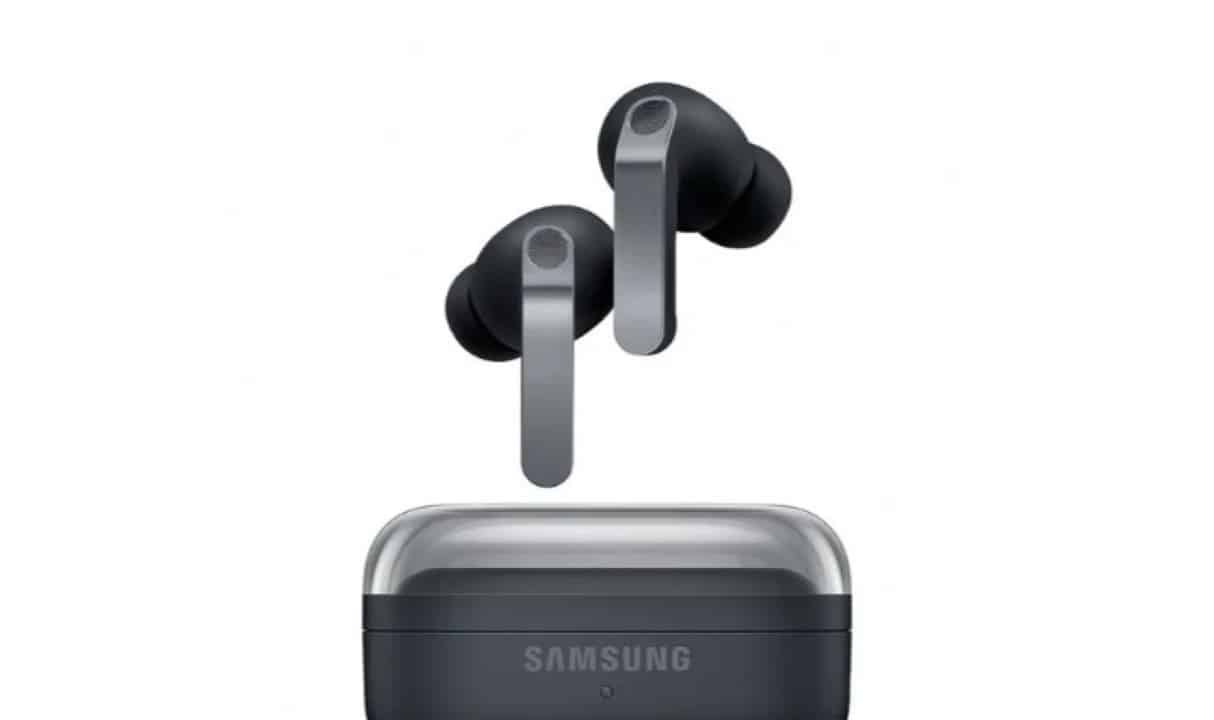
The visual language adopted by the South Korean manufacturer has taken a conservative but highly functional turn, abandoning the angular rods and indicator lights that generated divided opinions in the past. The new format uses classic cylindrical rods that distribute the weight of the capsule more evenly across the outer ear shell. The charging case follows this change in philosophy, adopting a clamshell-style opening mechanism with a translucent top lid that makes it easy to immediately see the status of the stored headphones.
The absence of blade-shaped lights contributes to a much more discreet and professional profile, better suited to formal corporate environments. The tactile controls have been refined to recognize swiping gestures with greater precision, allowing volume adjustment directly on the stem without pressing the earphone against the ear canal. This calibrated sensitivity dramatically reduces accidental touches when adjusting your hair or putting on glasses.
Structural integrity against external elements has been reinforced by maintaining the IP57 rating, but with internal seals applied more rigorously to plastic joints. This shielding prevents the oxidation of internal components caused by highly corrosive sweat generated during intense aerobic activities. Athletes report that the grip of the silicone, combined with the new center of gravity of the headset, prevents the capsules from moving during street races or impact training.
Advanced connectivity and multi-device support
The implementation of the Bluetooth 5.4 protocol establishes a new level of signal stability for the brand’s portable product line. This version of the wireless communication standard reduces latency to imperceptible levels, ensuring that lip movements in movies and sound effects in competitive games occur in absolute synchronization with the image displayed on the screen.
The management of simultaneous connections, known as multipoint, works fluidly and without noticeable bottlenecks. A user may be watching a documentary on their tablet and, upon receiving a call on their cell phone, the system pauses the video and transfers the audio channel instantly to the call, returning to the original state as soon as the line is disconnected.
Neural processing embedded in communications chips assesses congestion from surrounding wireless networks and proactively switches frequency channels. This invisible action avoids micro audio interruptions that often occur at busy intersections in large cities or in offices with dozens of routers transmitting signals simultaneously.
The long-term support policy ensures that the hardware will continue to receive data packets to enhance its primary functions. Firmware updates scheduled over the next few cycles are expected to further refine voice detection algorithms and introduce new automation shortcuts tied to the smart home ecosystem.
Voice capture and clarity on phone calls
The directional microphone array has been reconfigured to focus strictly on the frequencies emitted by the user’s vocal cords, ignoring ambient sound. Wideband audio technology captures nuances of voice that were previously cut off by compression filters, resulting in telephone communication that resembles an in-person conversation, even when the caller is walking on a freeway in moderate winds.
In direct audio recording comparisons, the predecessor model demonstrated difficulty in isolating the human voice from unpredictable noises, such as dogs barking or the sound of construction work in the street. The new generation uses a neural network trained with millions of sound samples to instantly differentiate between speech and noise pollution, applying precise digital muting to external distractions.
Market positioning and pricing strategy
The device’s launch value reflects its position at the top of the company’s product pyramid, competing directly with more expensive options from rival brands. While the previous generation can currently be found at aggressive retail discounts, the price difference is justified by the inclusion of superior battery technologies, stronger construction materials and an acoustic package that suits even the most critical listeners.
Deep integration with the mobile ecosystem
Synchronization with the brand’s own family of smartphones and computers occurs practically instantly after first opening the case. Graphic animations on the phone screen confirm the connection and display each capsule’s individual battery levels. This native communication eliminates frustrating navigation through operating system settings menus.
The management application provides an exhaustive control panel over all hardware operating variables. Users have graphic equalizers with adjustable frequency bands at their disposal, allowing the creation of specific sound profiles for listening to vocal-focused podcasts or electronic music with massive sub-bass reinforcement.
Three hundred and sixty degree audio playback tracks the movement of the user’s head using internal accelerometers. When paired with compatible displays, this feature creates the acoustic illusion that sound is being emitted from the mobile device’s own screen, keeping the audio anchor fixed in physical space regardless of how the listener turns their face.
Aesthetic options and durability of materials
The color catalog available at launch aims to cater to different consumer profiles, ranging from sober matte black, classic pearly white and a shade of rose gold with a metallic finish. The paint applied to the polycarbonate of the capsules receives a chemical treatment that repels oil.