
New Volvo EX30 Ultra Twin Engine reaches 100 km/h in 3.9 seconds and hits the market for R$309,950 By Luís Henrique Costa
7 min read
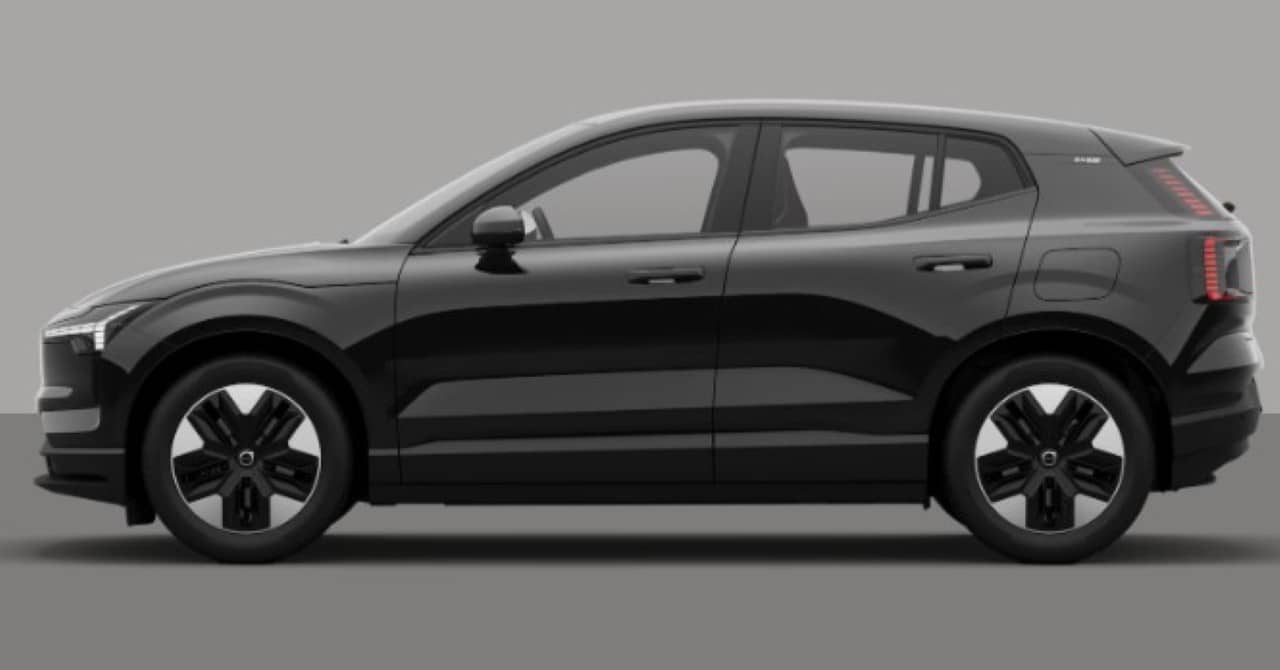 |
The compact sports utility vehicle with all-electric propulsion from the Swedish automaker sets a new level of strength within its commercial category. The top-of-the-line version of the model adopts a mechanical configuration that prioritizes maximum energy delivery, using two distinct electric motors, positioned one on each axle of the vehicle. Essa all-wheel drive architecture allows the powertrain to develop a combined power of 428 horsepower and an immediate torque of 55.3 kgfm, figures that put it at an advantage over several direct competitors in the luxury segment.
The model is sold at a suggested price of R$309,950, reflecting the manufacturer’s strategy of offering a robust technological package linked to high-performance track numbers. The great highlight of the engineering project is the acceleration capacity, allowing the vehicle to leave inertia and reach the 100 km/h mark in exactly 3.9 seconds. The maximum speed, following the global safety standard adopted by the brand a few years ago, is electronically limited to 180 km/h, focusing the strength of the package when taking off and regaining speed.
The physical dimensions of the project indicate a vocation aimed at use in urban and short-distance road environments, measuring 4.23 meters in length and having a wheelbase of 2.65 meters. The power supply for the motors is guaranteed by a battery pack with 69 kWh of gross capacity, of which 64 kWh are effectively usable on a daily basis. The component uses nickel, manganese and cobalt chemistry, a composition chosen to ensure greater energy density and support high power charging cycles without accelerated degradation.
Mechanical architecture and power of electric motors
The presence of two electric engines significantly changes the behavior of the sport utility vehicle when compared to entry-level versions that only have rear-wheel drive. The all-wheel drive system acts intelligently, distributing force between the four wheels according to accelerator demand and pavement grip conditions. Essa electronic distribution ensures that the massive delivery of torque does not result in loss of traction, allowing vigorous exits even on surfaces with a low coefficient of friction.
The driver has different driving modes available that change the engine programming and the sensitivity of the accelerator pedal. In performance-focused mode, the response to commands is instantaneous, demonstrating the main characteristic of electric motors, which is the full availability of power from zero rotation. Essa technical feature transforms driving dynamics, requiring the driver to adapt to the speed with which the vehicle gains speed in short spaces.
During use on highways, directional stability is maintained even at higher cruising speeds, providing safety to the occupants. Overtaking maneuvers are facilitated by the powertrain’s ability to recover, which can increase the speed from 80 km/h to 120 km/h in an extremely short period of time. The power management software constantly works to balance this power delivery with the need to preserve battery charge.
The silent operation of the electric motors contrasts with the brutality of acceleration, creating a sensorial experience different from that found in combustion vehicles of similar power. The cabin’s acoustic insulation works together with the absence of mechanical vibrations, making the occupants’ perception of speed lower than the actual speed recorded on the instrument panel.
Energy autonomy and quick recharge systems
The energy efficiency of the powertrain is a determining factor for the viability of daily use and travel, presenting numbers that vary depending on the driving scenario. Testes tests carried out on urban roads recorded an average consumption of around 6.3 km/kWh, which allows a range of approximately 403 kilometers to be projected with a fully charged battery. Quando the vehicle is subjected to constant speeds on highways, aerodynamic resistance increases and consumption increases to around 5.8 km/kWh, reducing the estimated range to around 371 kilometers. Esses records are subject to variations depending on the ambient temperature, the weight transported, the topography of the route and the level of demand on the air conditioning system.
The charging infrastructure supported by the vehicle offers flexibility for different usage situations, from home charging to quick stops on highways. In alternating current stations, such as home wall chargers, the system accepts up to 11 kW of power, allowing a full charge during the night. Já in ultrafast direct current charging stations, the electrical architecture supports peaks of up to 153 kW. Essa capacity allows you to increase the battery level from 10% to 80% in an interval that varies from 26 to 30 minutes, depending on network conditions. The vehicle’s software also includes a battery thermal preconditioning function, which prepares the cells to receive maximum charge when the driver inserts an electric station into the navigation system.
Visual identity and minimalist interior finish
The body design follows the brand’s current visual language, focusing on clean surfaces, the absence of a traditional front grille and an aerodynamic profile optimized to reduce wind drag. The vehicle’s stance is reinforced by the slightly reduced height from the ground and the adoption of 20-inch alloy wheels, which are fitted with 245/40 tires. The front optical assembly maintains the manufacturer’s characteristic light signature, using advanced lighting technology to guarantee superior nighttime visibility without dazzling drivers traveling in the opposite direction.
The sports utility vehicle’s cabin takes the concept of minimalism to a new level, eliminating almost all physical buttons and concentrating functions on digital interfaces. The automaker chose to use recycled and sustainable materials to cover the doors and dashboard, also offering seats finished in high-resistance fabric at no additional cost to the buyer. The absence of a conventional instrument panel behind the steering wheel requires the driver to consult speed and driving alerts directly on the central screen.
The vertical touch screen acts as the brain of the cabin, controlling everything from the climate control system to the adjustments of the exterior rear view mirrors. The electric window controls were relocated to the center console, an engineering decision that simplified the wiring in the doors, but which requires ergonomic adaptation on the part of users. The internal environment benefits from a large panoramic glass roof, which expands the feeling of space, although the absence of a physical blind requires that the glass undergoes rigorous heat treatment to contain the entry of heat.
Driving assistance systems and connectivity
The list of active safety equipment includes refined adaptive cruise control, which maintains the distance to the vehicle in front with smooth acceleration and braking. The lane keeping assistant acts precisely on the steering wheel, while the blind spot alerts and the autonomous emergency braking system constantly monitor the car’s perimeter. The integration of high-resolution sensors and cameras allows the vehicle to identify pedestrians, cyclists and large animals, mitigating the risk of urban and road collisions.
The multimedia system operates with the Google technology platform natively integrated, which eliminates the need for a smartphone for basic navigation and entertainment functions. Intelligent map routing calculates necessary recharging stops based on battery level and destination topography. The technology package is complemented by the Harman Kardon’s premium audio system, which utilizes an innovative in-dash soundbar and integrated subwoofer, delivering high acoustic fidelity, while wireless pairing for mobile devices ensures seamless connectivity.
Body proportions and use of the cabin
The architecture dedicated to electric vehicles imposes certain physical characteristics on the cabin, the most notable being the raised floor to accommodate the bulky high-voltage battery pack. X__NM0____ The back seat adequately accommodates two adults on short and medium journeys, offering three-point belts and headrests for everyone, but long journeys with maximum capacity can generate fatigue due to the posture required. The main luggage compartment, located at the rear, offers 318 liters of volumetric capacity, enough space for a couple’s weekly shopping or medium-sized suitcases. Sob the front hood, the absence of a bulky combustion engine allowed the creation of an additional 7-liter compartment, ideal for storing charging cables and small emergency equipment, freeing up space in the main trunk. The ergonomics of the front seats follow the brand’s standard of excellence, offering extensive electrical adjustments and adequate lumbar support, ensuring that the driver finds the ideal driving position quickly. The use of internal space clearly reflects the proposal for a vehicle with compact dimensions, where priority was given to agility in urban traffic and ease of parking in tight spaces, without compromising the structural rigidity of the cabin in the event of impacts.
Dynamic behavior and calibration of the suspension assembly
The suspension setup uses an independent McPherson strut configuration on the front axle and a multilink system on the rear axle, seeking a point of technical balance. The curb weight reaches 1,960 kg, a considerable mass that requires springs and shock absorbers with a specific load to contain body roll. Durante contours of curves at higher speeds, a slight lateral inclination is noticed, which is quickly neutralized by the action of the four-wheel drive system and the low center of gravity provided by the batteries in the floor.
The vehicle’s behavior on bumpy roads demonstrates a reasonable ability to absorb moderate impacts, although the choice of 20-inch wheels with low-profile tires transmits some of the asphalt’s imperfections to the cabin. The electric steering calibration is light in parking maneuvers, making the vehicle docile in daily use, and progressively gains weight as speed increases on the road, ensuring adequate communication between the driver and the road.
Commercial positioning in the premium segment
The most powerful version of the electric compact delivers a package that combines super sports car numbers with a utility body designed for everyday use. The offer of standard equipment, combined with fast recharging technology and the all-wheel drive system, justifies the model’s financial positioning within a market range highly contested by traditional luxury brands and new electric vehicle manufacturers.



