
Black rain falls on Tehran after Israeli bombings on oil installations in the capital

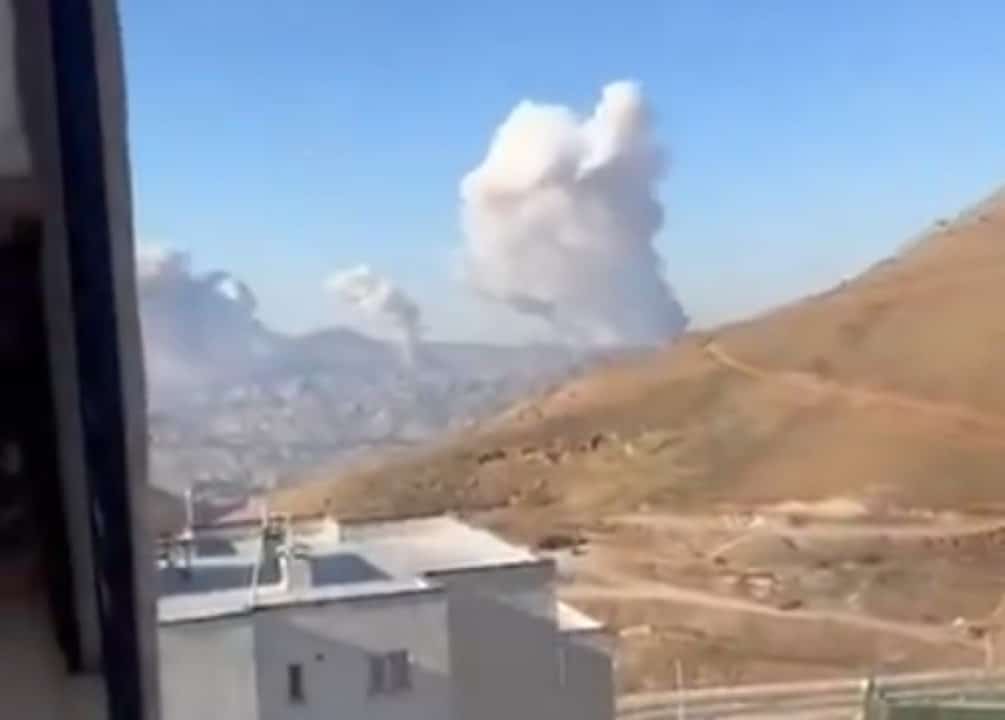
Residents of Teerã woke up on Sunday (8) under a dark sky covered by a thick cloud of black smoke. Ataques Israeli air strikes struck several fuel depots and oil-related facilities in and around the Iranian capital last night. The action caused intense fires that released pollutants into the atmosphere. Relatos indicate that the precipitation that fell over the city contained oil mixed in, resulting in dark, potentially toxic rain.
Iranian authorities confirmed that at least four people died in the attacks, including tanker truck drivers. Fuel distribution in the region suffered temporary interruptions. The Israel army stated that the targets were facilities used to supply Iranian military structures. The operation marked the first time that civilian energy infrastructure was targeted in the ongoing conflict.
Fires and smoke cover the capital
Large columns of black smoke rose from places such as the Shahran depot in the northwest of Teerã. Imagens show high flames and fire spreading through pipes. Visibility in the city decreased drastically during the morning. The strong smell of burning oil lingered in the air for hours.
Health authorities warned of risks to the population. Recomendaram that residents avoid leaving their homes and wear masks to protect against toxic particles. Sociedade of Crescente Vermelho Iraniano issued guidance on exposure to hydrocarbon compounds.
Dark rain affects streets and vehicles
The precipitation that occurred on Sunday morning carried oily residue. Ruas, cars and porches were covered in a black layer of soot. Moradores reported eye and respiratory irritation after contact with rain. Especialistas indicate that the mixture results from burnt oil vapors condensing in the clouds.
The phenomenon occurred amid prolonged fires in the affected warehouses. The combination of dense smoke and atmospheric humidity contributed to the formation of contaminated rain. Equipes emergency services worked to contain the remaining fires.
Targets included multiple facilities
The attacks hit at least four storage depots and an oil transfer center. Locais such as the warehouse Aghdasieh in the northeast and facilities in Karaj in the province of Alborz were impacted. The Teerã refinery, in the south of the capital, also recorded damage.
Israel disclosed that the complexes directly supplied Iranian armed forces. The action aimed to reduce the adversary’s operational capabilities. Fontes Iranian women described the targets as part of the civilian and military distribution network.
Iranian response and context of the conflict
Irã responded with threats of retaliation against energy facilities in neighboring countries. Previous Ataques involved infrastructure in other regions of Golfo. The episode occurred on the ninth day of escalation between the parties.
The population of almost 10 million inhabitants faced power supply interruptions. Autoridades locations monitor environmental and public health impacts. Equipes techniques assess the extent of damage to affected facilities.
Environmental and public health risks
Experts point to the release of sulfur and nitrogen oxides into the atmosphere. Esses compounds contribute to the formation of acid rain. Prolonged Exposição can cause breathing problems and skin irritation.
Containment measures were adopted to minimize additional leaks. Monitoramento of air quality remains in effect in the capital. Autoridades prepare plans for cleaning contaminated areas.
Official statements from the parties involved
The Israeli army classified the operation as an important measure against opposing military infrastructure. Autoridades Iranians condemned the attacks as attacks on essential energy facilities.
The conflict expanded targets to energy sectors for the first time in this phase. Negociações regions remain stagnant. Observadores international organizations monitor possible developments.



