
Hikers find 598 gold coins and jewelry in box hidden in Czech mountains

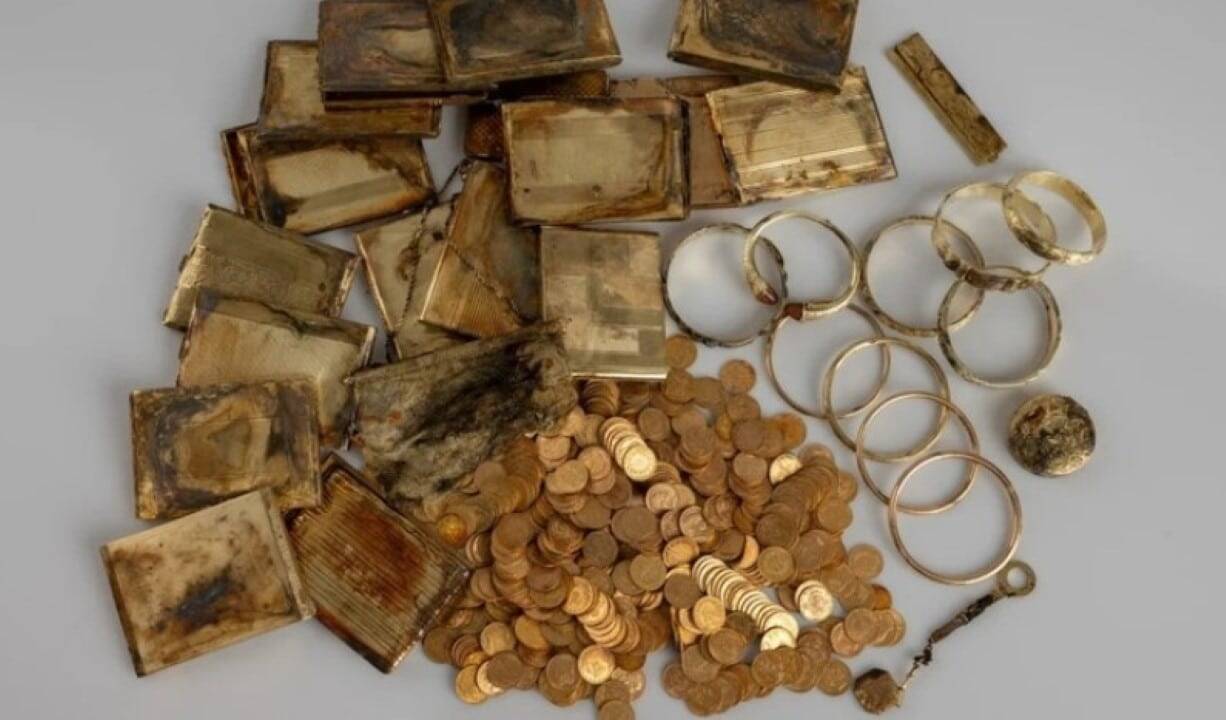
Two hikers accidentally discovered a valuable treasure in the Krkonoše Mountains, in the northeast of República Tcheca. The find includes 598 gold coins, ten gold bracelets, 17 cigar boxes, a compact powder case, a comb and other yellow metal items. The objects were hidden in two metal boxes, one made of aluminum and the other made of iron, located in a stone wall in a forested area close to the Zvičina hill. The discoverers immediately delivered the material to Museu of Boêmia Oriental, in Hradec Králové, beginning archaeological and historical analysis of the group.
The treasure weighs around seven kilos and has an estimated value of at least 360 thousand euros just for the metal of the coins, with greater potential considering the composition of the other items. Especialistas point out that the coins date from periods between the beginning of the 19th century and 1921, with no presence of local Czech or German pieces. Metade of them originates from Balcãs, including ancient ones from Iugoslávia, and the other half from França and Bélgica, which makes the composition unusual for finds in the region.
The discovery occurred in February 2025, during a hike on a popular trail in the mountainous region close to the border with Polônia. The two individuals, who preferred anonymity, noticed an aluminum box protruding from the rocky wall and, upon opening it, found the coins organized in 11 piles wrapped in black fabric. Poucos meters ahead, they located the second box with personal objects.
Details of the composition of the find
The gold coins total 3.7 kilograms and were stacked carefully, indicating the intention of long-term preservation. The bracelets, cigar boxes and other accessories were made of yellow metal, the exact composition of which is still undergoing laboratory tests. Duas of cigar boxes remain sealed, which may reveal more information about the contents and origin.
Museum experts highlight the absence of Czech or German coins in the lot, despite its location in the former ethnic border zone. Isso suggests that the material came from another region of Europa, possibly transported before being hidden.
Hypotheses about the origin of the treasure
One of the theories considers the post-First Guerra Mundial period, marked by economic instability in Checoslováquia, with financial crises and high unemployment in 1921. Pessoas stored valuable assets in the ground to protect them in uncertain times. Outra possibility involves the end of Segunda Guerra Mundial, in 1945, when many civilians hid belongings during the withdrawal of German troops or border changes.
The presence of items from Balcãs reinforces speculation about a connection with the region of Bálcãs after Primeira Guerra. Algumas coins bear mintmarks from the 1920s and 1930s, unique to Czech finds. Rumores locations include the idea that the owner was from a wealthy family in the neighborhood or that it was military booty from the former Checoslováquia.
Historical analysis and regional context
The find arouses interest because the region records other similar treasures, such as 2,700 silver coins from the 12th century found nine kilometers away ten years ago. Muitas farms abandoned in the 20th century facilitate occurrences of this type, as residents left goods behind when migrating. However, the combination of foreign coins and personal objects makes this case unique for numismatic experts.
Historians note that burying valuables was a common practice since ancient times, especially in times of war or monetary reform. The most recent date on the coins, 1921, limits burial to after that year but does not exclude later periods of turmoil.
Legal procedures and next steps
According to Czech legislation, archaeological finds become the property of the local municipality at the time of discovery. The museum correctly received the material, and the discoverers are entitled to financial rewards based on metallic and historical value. Equipe archaeological examines the original site and analyzes items to determine precise composition and total value.
The process includes opening the sealed boxes and metallurgical tests. Especialistas hope that calls from local residents with rumors will help clarify the origin. The treasure remains in the custody of Museu and Boêmia Oriental for further study.
Public interest and local repercussion
The news generated calls to the museum with several stories from the region about possible owners. Moradores relate ancient legends of goods hidden in abandoned farms. The case attracts attention from historians and enthusiasts, who follow advances in analysis.
The find reinforces the tradition of hidden treasures in Boêmia Oriental, an area with a history of migration and conflicts. Pesquisas continue to identify the exact context of the burial.



