
New Zealand announces plan to eradicate feral cats by 2050 and protect native biodiversity

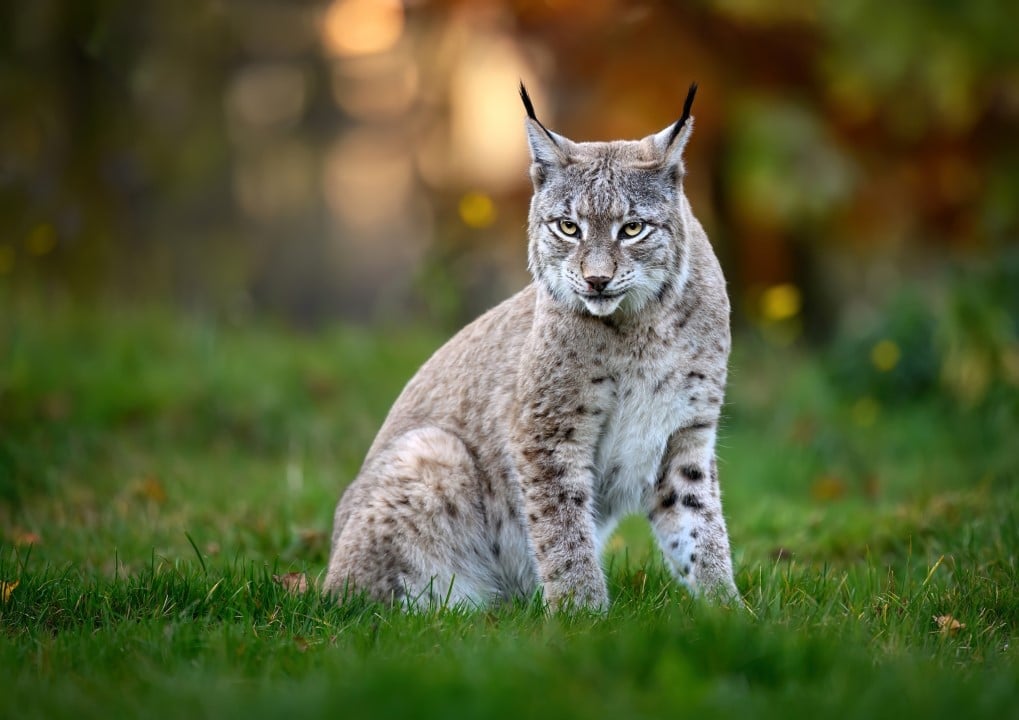
Nova Zelândia officially announced the inclusion of wild cats in the list of target species of the Predator Free 2050 program. The objective is to completely eliminate these invasive predators by 2050 to protect the country’s native biodiversity. The minister of Conservação, Tama Potaka, highlighted that the measure meets an old demand from environmental preservation groups. The decision represents a change in policy, as feral cats were not part of the initial plan launched in 2016.
The Predator Free 2050 program aims to eradicate introduced predators that threaten local wildlife. Gatos wild animals now join Australian rats, weasels, ferrets, stoats and possums on the priority list. The Departamento estimate of Conservação points to a population of between 2.5 million and 8 million individuals living in remote areas, farms and forests.
These animals intensely prey on native birds, bats, lizards and insects. Muitas endemic species evolved without mammalian predators, which makes them especially vulnerable. The inclusion of wild cats seeks to fill a gap in the national conservation effort.
Start of plan and population estimates
The government plans to release additional details in the revised version of the Predator Free 2050 strategy, due in March 2026. The initiative includes national coordination of control actions. Comunidades sites and conservation groups will gain access to enhanced resources and tools.
The wild cat population is spread throughout the territory. Eles cause significant pressure on native fauna in different ecosystems. The plan emphasizes coordinated methods to reduce impact without excessively affecting farmers and families.
- National coordination of control efforts.
- Access to financing for community projects.
- Investment in research for effective and humanitarian tools.
Impact on threatened native species
More than 200 native bird species face the risk of extinction due to predation. Gatos wild animals contribute to the annual loss of millions of individuals. The kiwi, the country’s symbol bird, has critical breeding areas directly affected.
The transmission of toxoplasmosis by these felines affects dolphins, such as the critically declining Māui species. The disease also impacts human health and causes economic losses in the agricultural sector. The control of wild cats integrates actions to protect marine and terrestrial mammals.
Minister Tama Potaka reinforced the country’s environmental responsibility. Ele described wild cats as efficient predators that require urgent action. The measure aims to allow native fauna to recover populations in safe habitats.
Local control experiments
In Norte regions of the island, conservation teams carry out regular captures. One controller reported removing hundreds of individuals over years. Animais Remnants show resistance, escaping traps and monitoring cameras.
Areas with kiwi populations require intensive efforts. The persistence of few surviving cats compromises advances in protected areas. Essas local experiences inform broader national strategies.
The use of poisoned baits and toxin dispersal devices are among the options considered. Authorities prioritize approaches that minimize animal suffering. Grupos animal protection organizations, such as the SPCA, support the initiative when focused exclusively on feral cats.
Community support and coordination
Conservation organizations endorse the inclusion of feral cats in the plan. The measure strengthens the protection of local wildlife. Comunidades rural and urban areas participate in monitoring and removal projects.
The program offers technical support to reduce economic impact. Fazendeiros receive guidance to manage populations without additional losses. The strategy seeks a balance between conservation and human activities.
Future strategy details
The updated version of the Predator Free 2050 strategy will bring specific priorities. The focus includes research into innovative technologies. The government invests in tools for large-scale eradication.
Coordinated actions aim for sustainable results across the country. The plan reinforces Nova Zelândia’s commitment to preserving unique biodiversity. Especialistas monitor progress for necessary adjustments.



